
Headquarters
The Energy and Resources Institute (TERI)
Darbari Seth Block, Core 6C,
India Habitat Centre, Lodhi Road,
New Delhi - 110 003, India
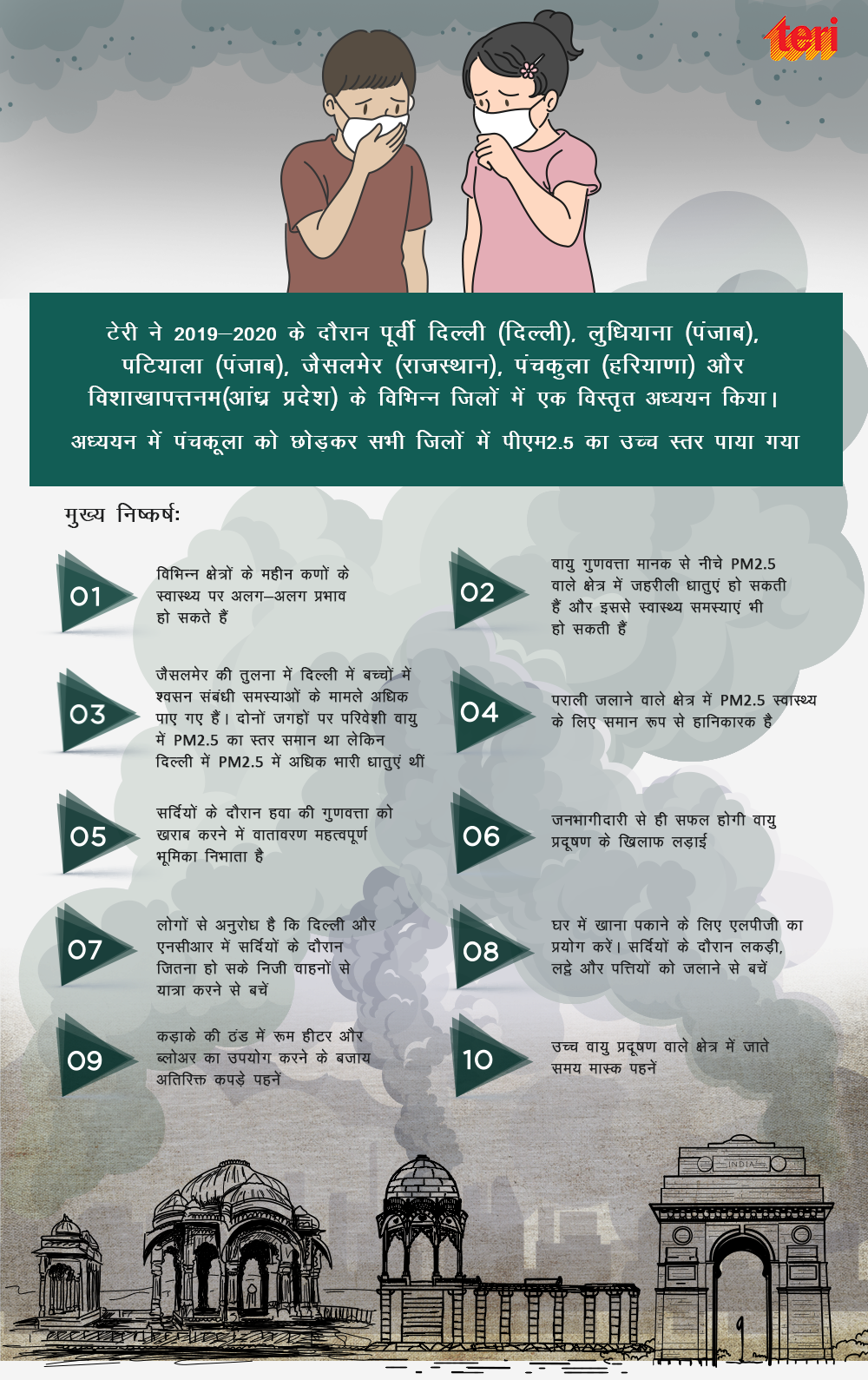
छह अलग-अलग जिलों - पूर्वी दिल्ली, लुधियाना, पंचकुला, पटियाला, जैसलमेर और विशाखापत्तनम में हवा की गुणवत्ता पर टेरी के अध्ययन के मुख्य बिंदु:
Click here to view full infographic
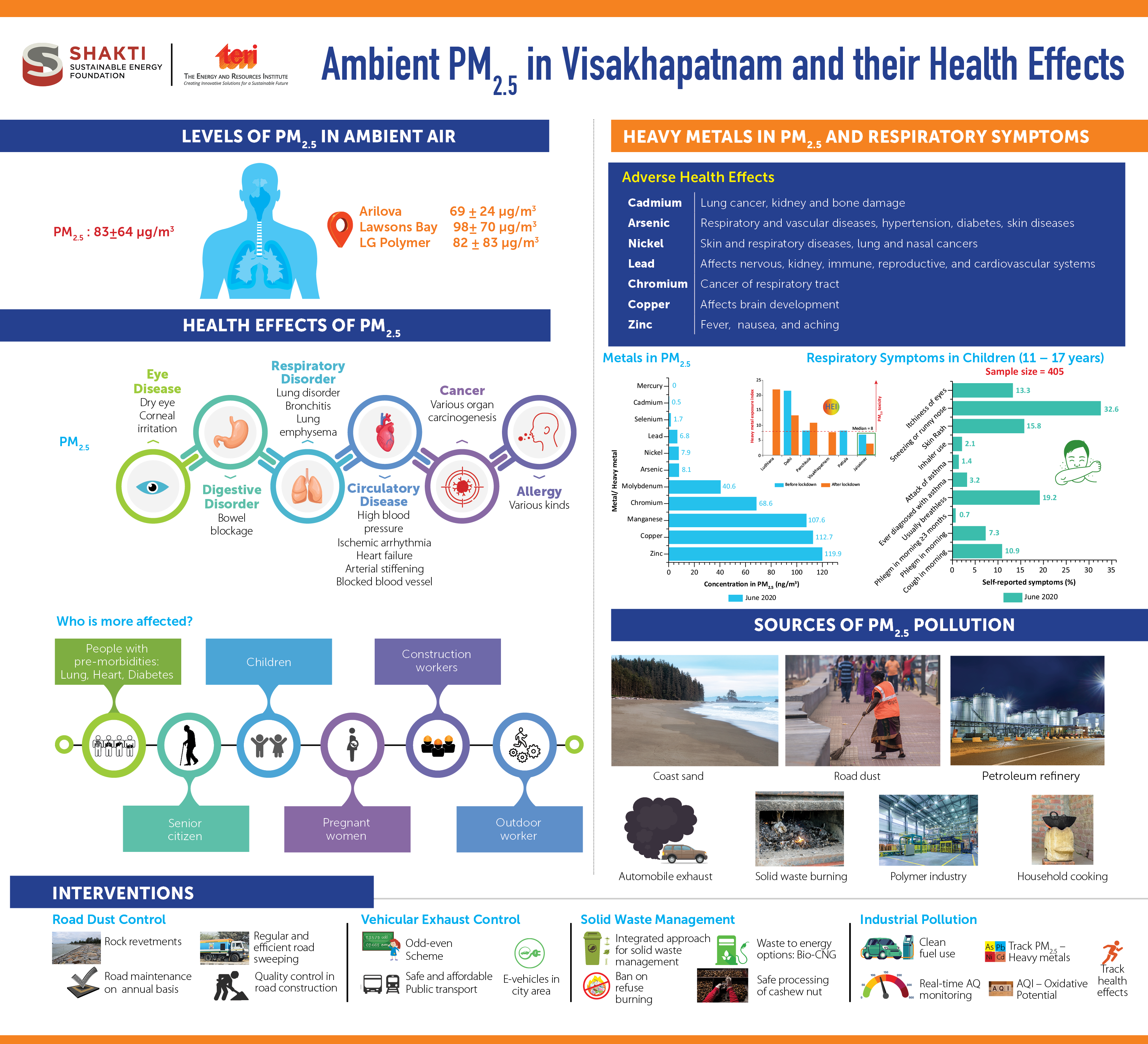
Visakhapatnam is a coastal city and industrial center in the Indian state of Andhra Pradesh, with a population of about 2.2 million. It is the most industrialized city in Andhra Pradesh and also falls among the five non-attainment cities of Andhra Pradesh.
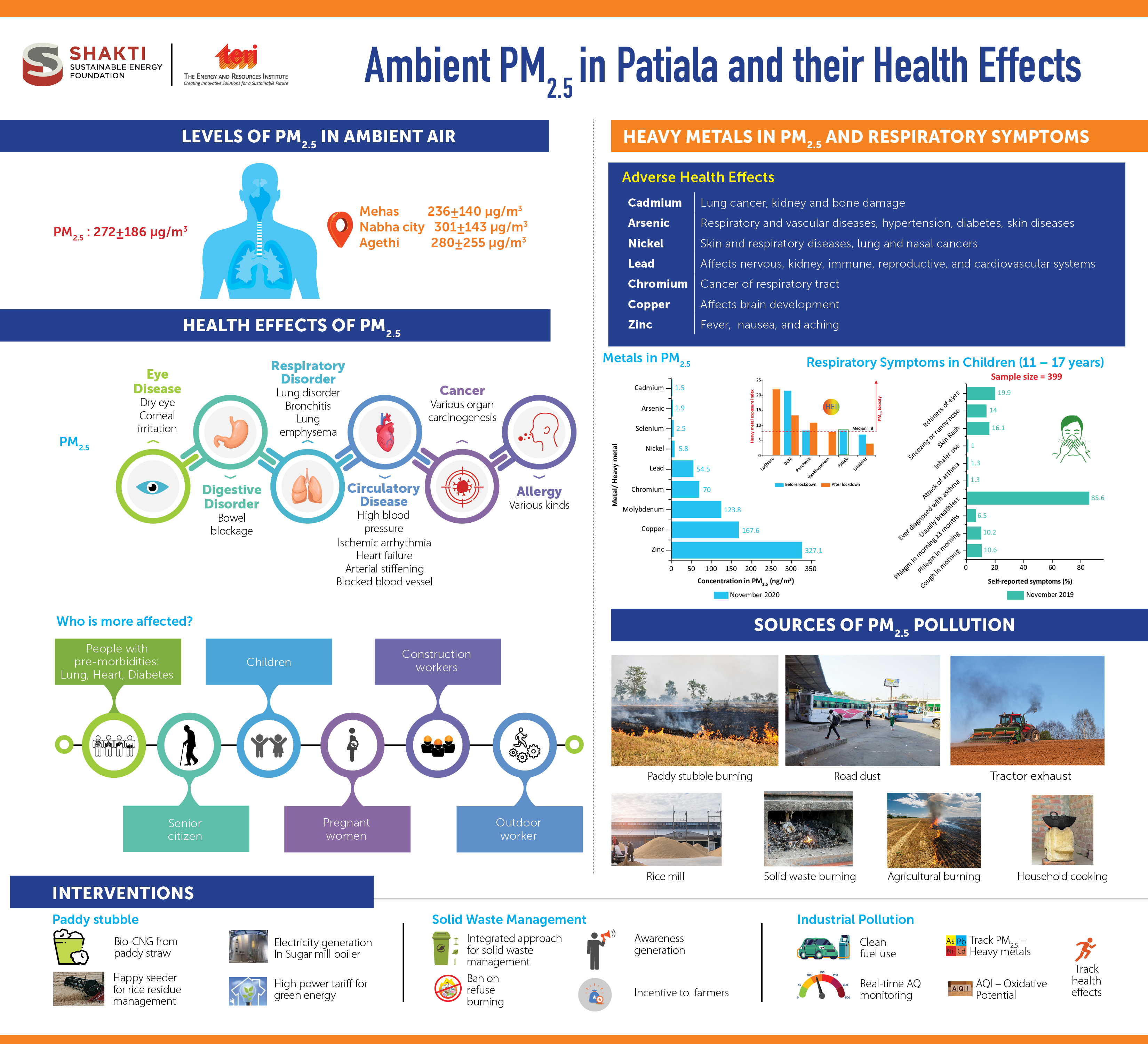
Patiala is one of the famous princely States of erstwhile Punjab, with a population of nearly 0.76 million. Patiala district forms a part of the Indo-Gangetic plain (IGP) and known for agricultural production (mainly paddy and wheat). Patiala has been identified as one of the non-attainment cities by CPCB.
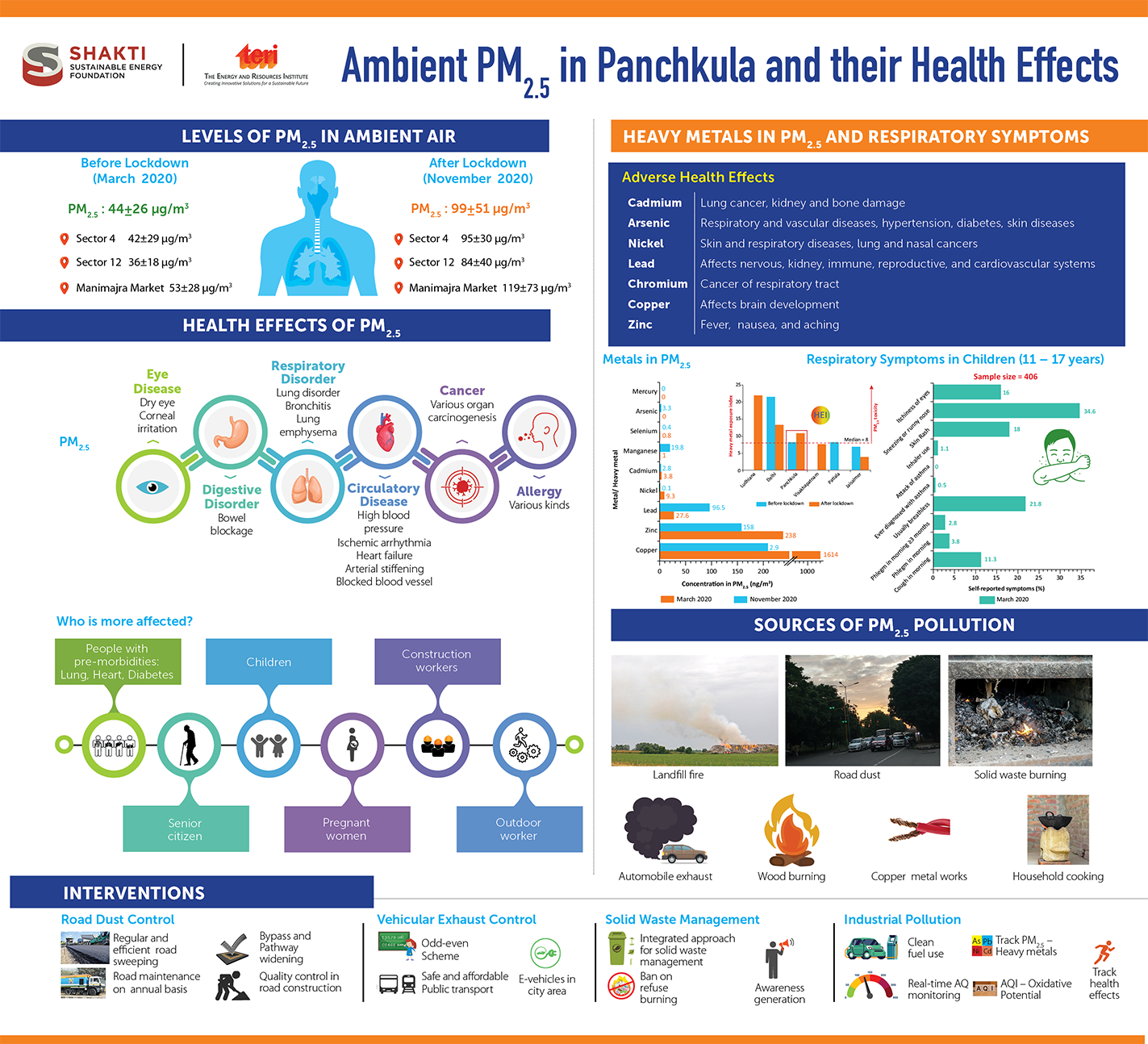
Panchkula is a planned city in Haryana, with a population about 0.21 million. The air quality is usually good throughout the year in Panchkula. It is a PM attainment city due to lower level of particulate matter in the ambient air.
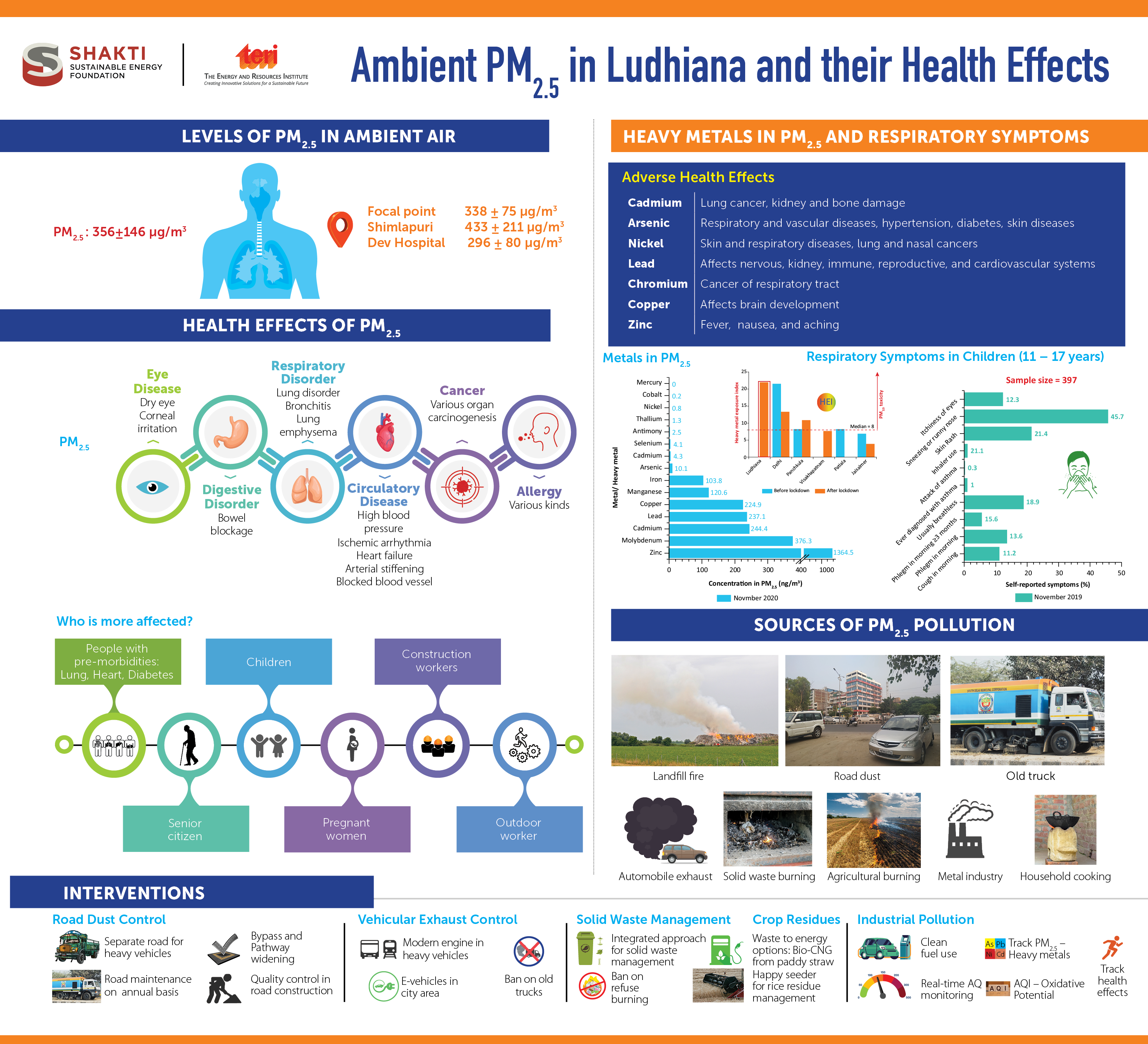
Ludhiana is one of India's biggest industrial cities with a population about 1.6 million. It is one of the most polluted cities in India, and a non-attainment city recently identified by the CPCB in the National Clean Air Plan.
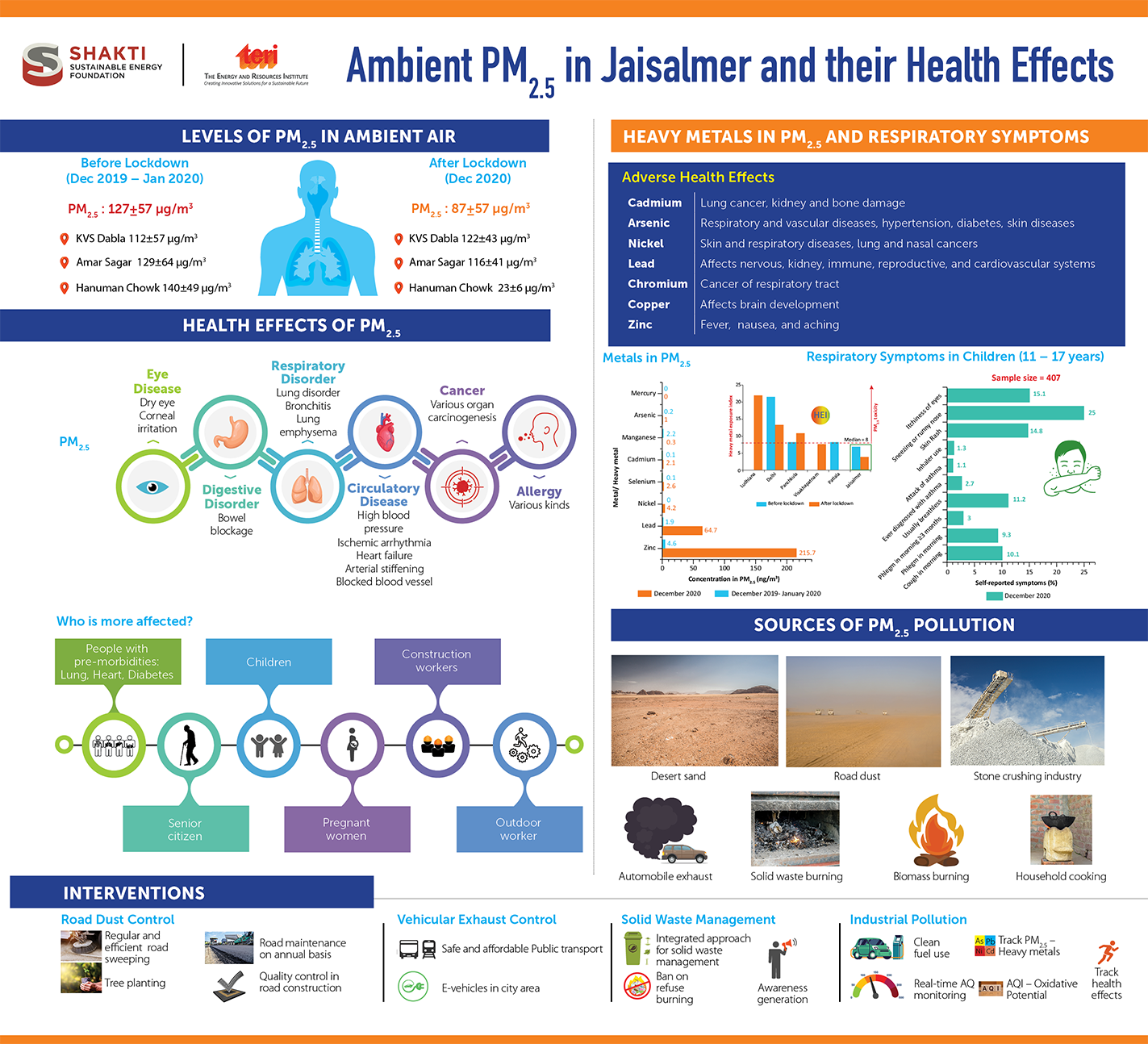
Jaisalmer is a small arid city located in the central region of the Thar Desert in Rajasthan with a population about 0.67 million. It is not included in the list of PM non-attainment cities by CPCB, however, air quality in Jaisalmer drops during sand storm in summer.
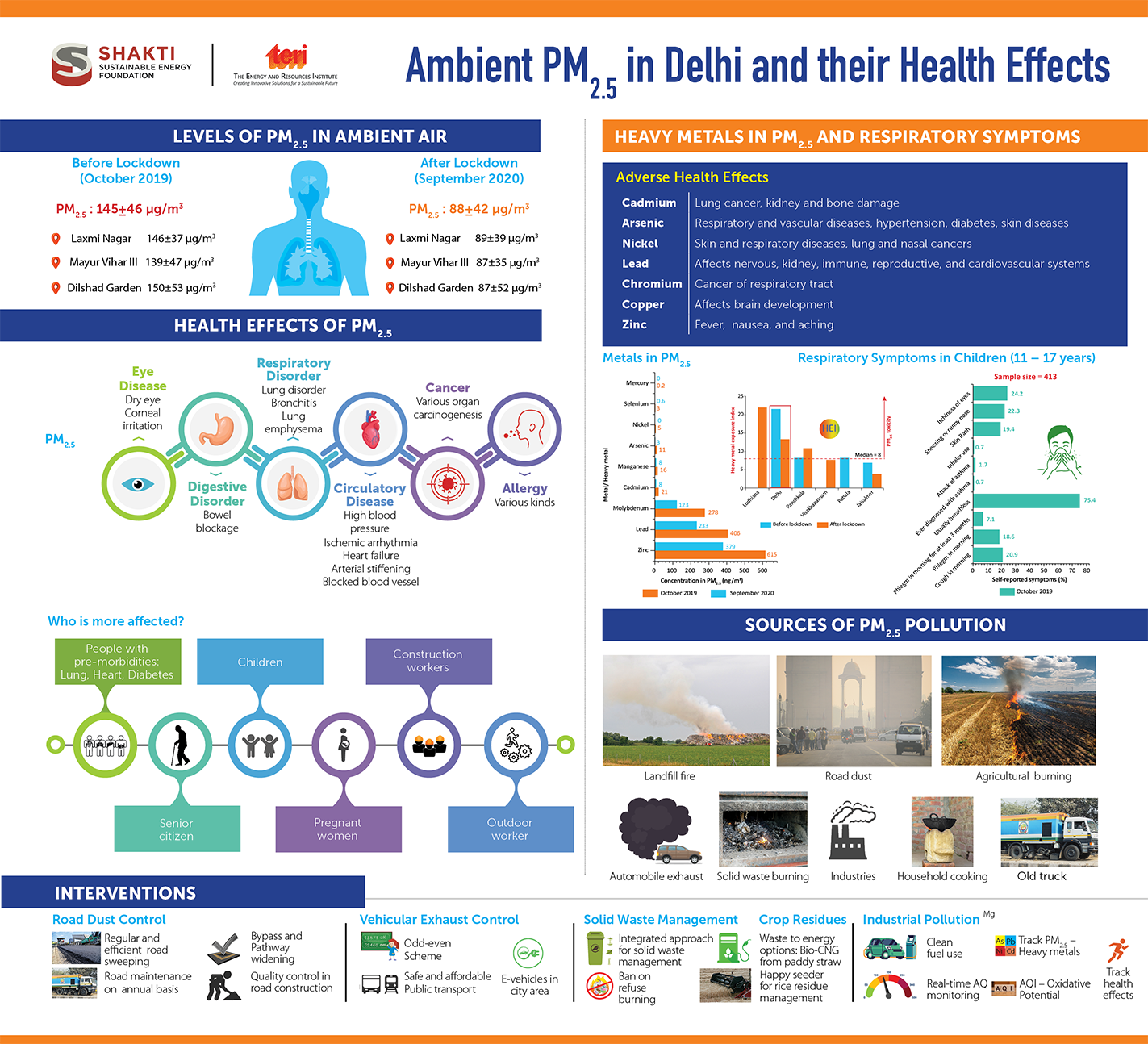
Delhi is the national capital, with a 31 million populations across the large metropolitan area of the National Capital Region (NCR). Delhi has the highest level of pollution in the country, with pollution levels being 14 times the WHO guideline.
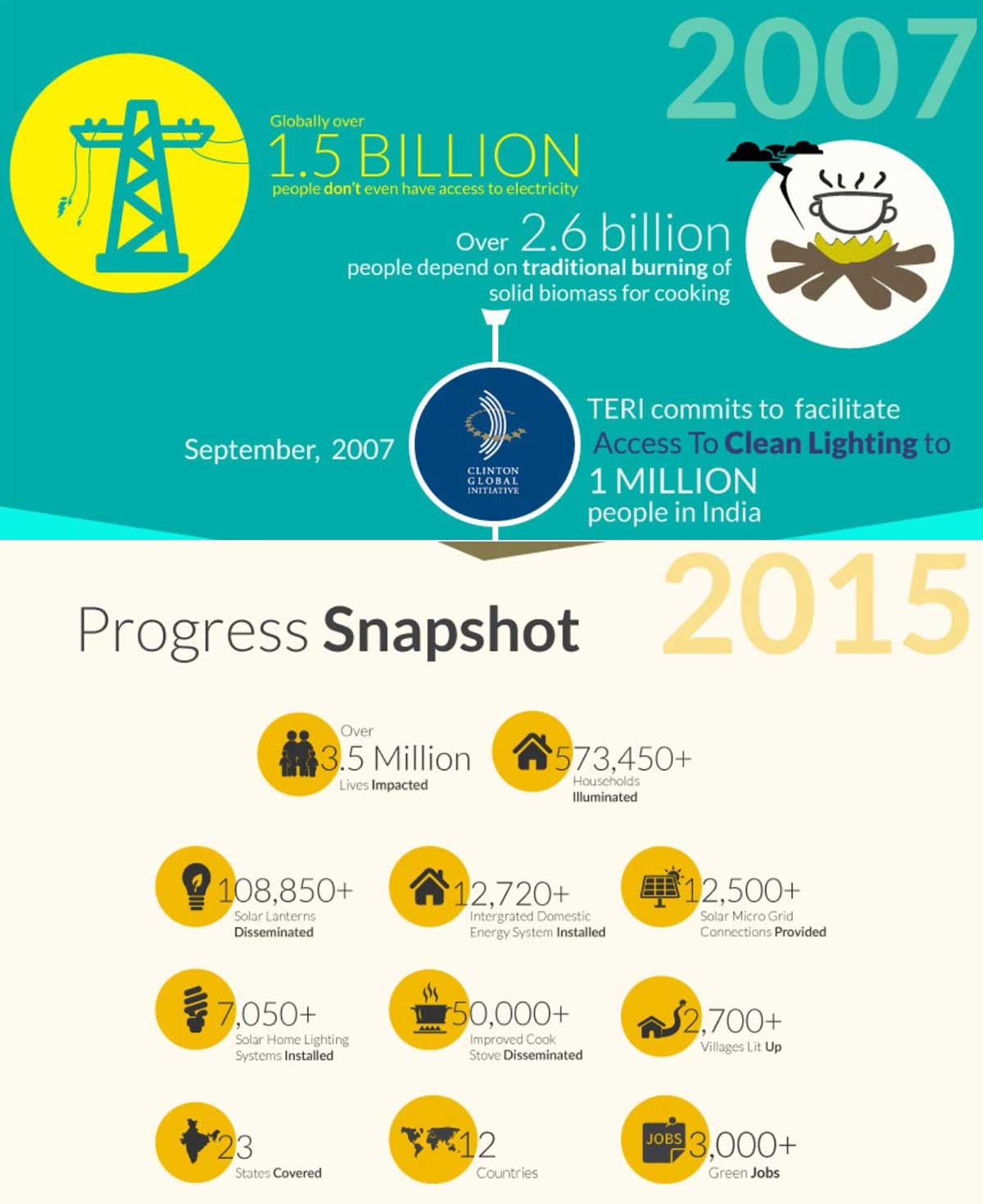
A look into the more than decade long journey of the Lighting a Billion Lives programme as it continues to provide affordable solar energy access to underserved households
Click here to view full infographic
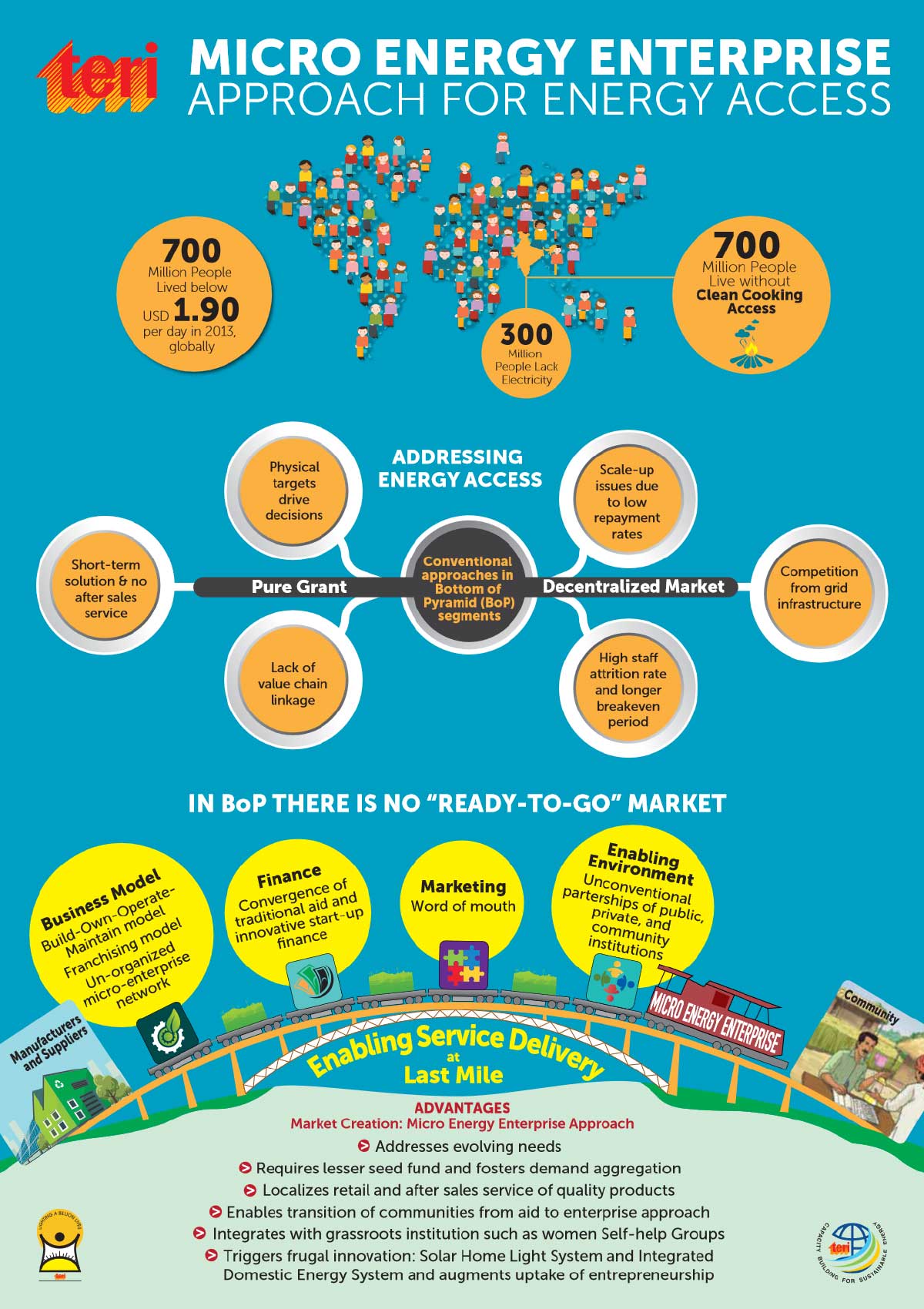
The advantages of a Micro Energy Enterprise Approach in taking solar energy to the last mile
Click here to view full infographic
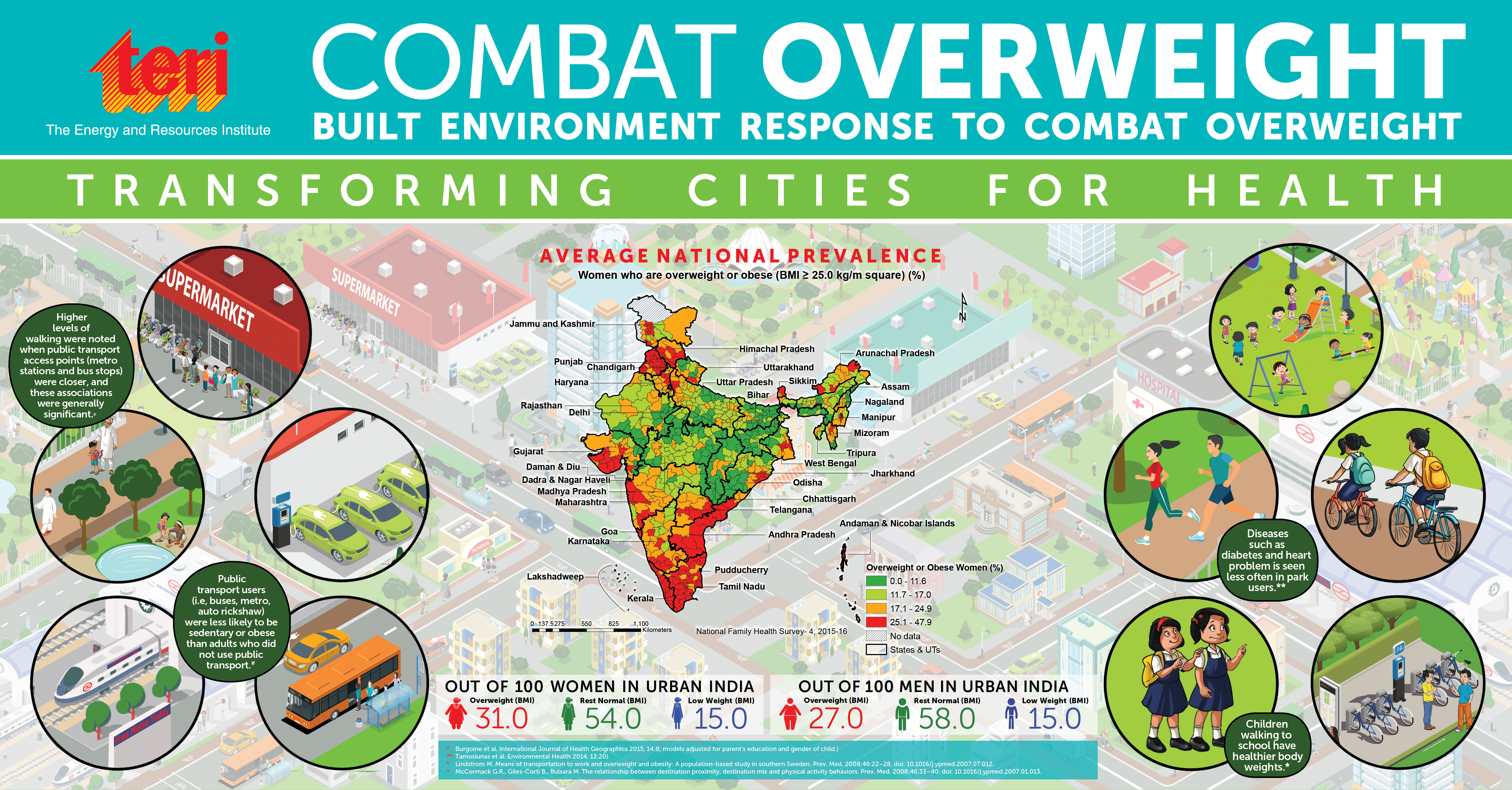
In 2015-16, around 31% of women in India were obese, which is double the prevalence of obesity/overweight than ten years ago. (NFHS-4) The percentage of overweight or obese (BMI ≥ 25.0 kg/m2) women is markedly higher in urban India than in rural India (15%). What can city planners and people do to halt this transition? Know more in our infographic below: