
Headquarters
The Energy and Resources Institute (TERI)
Darbari Seth Block, Core 6C,
India Habitat Centre, Lodhi Road,
New Delhi - 110 003, India
Energy efficiency is a key driving force in meeting India’s environmental and climate goals. We work closely with large and small industries and the buildings sector to help improve their energy performance. We have demonstrated a range of technologies and practices that have helped small and medium enterprises in India to reduce their carbon footprint and improve their profitability. Other significant efforts include supporting the Indian government’s Perform Achieve and Trade (PAT) scheme to promote energy efficiency in large industries.


Less than 40 countries have so far submitted their revised NDCs. Others are expected to follow.
Coalbed methane (CBM) represents a significant portion of the world’s natural gas reserves, and it has been suggested that up to 20% of the world’s natural gas, including CBM, is microbial in origin. However, the drilling and maintenance of microbial CBM wells are becoming increasingly uneconomical due to the currently low gas prices, growing competition from shale gas production, and the relatively short lifespan of CBM production wells.
TERI organised four virtual technical sessions on 'Powering India's Hydrogen Ecosystem' at the International Climate Summit 2021 where discussions focused on the scope, potential, and policy and regulatory impetus needed to boost green hydrogen application in India.
With rapid urbanisation and a growing population, there is a demand for sustainable, clean, and energy efficient cooling solutions. Access to cooling has become a development need and an equality issue. The interplay of a variety of factors is important to understand in order to encourage energy efficiency in cooling.
Apart from easy availability of energy efficient technologies, consumers require a nudge to bring about behavioural change regarding energy conservation in daily life
A Model Green Division project by a discom in East Delhi's Mayur Vihar could reduce 2100 tonnes of carbon dioxide equivalent
WSDS 2026 reinforced a shared commitment to move from ambition to execution by scaling solutions and building a climate-secure, resilient, and equitable future demonstrating that the time for collective action is now.
The Act4Earth framework will emphasize strengthening multilateral cooperation, leveraging technology and innovation, and embedding sustainability across policy and economic systems to enable inclusive transitions.
Historically, cross-border energy cooperation has prioritized the supply side; however, in the Global South, rising energy demand is increasingly driven by the appliances and transport sectors. Without robust demand-side efficiency, countries risk locking themselves into high-cost, import-dependent, and energy-intensive growth trajectories.
NEW DELHI, JAN 30 — In a move to redefine India’s energy landscape, TERI, in collaboration with the Ministry of New and Renewable Energy (MNRE), hosted a high-level, closed-door workshop at the Atal Akshaya Urja Bhawan. The strategic session focused on accelerating Decentralized Renewable Energy (DRE) as a primary engine for livelihood enhancement across rural India.
Jointly organised by:
Department of Scientific and Industrial Research (DSIR), Ministry of Science & Technology, Government of India, and Asian and Pacific Centre for Transfer of Technology (APCTT), United Nations Economic and Social Commission for Asia and the Pacific (UN ESCAP)
Jointly organised by:
Department of Scientific and Industrial Research (DSIR), Ministry of Science & Technology, Government of India, and Asian and Pacific Centre for Transfer of Technology (APCTT), United Nations Economic and Social Commission for Asia and the Pacific (UN ESCAP)
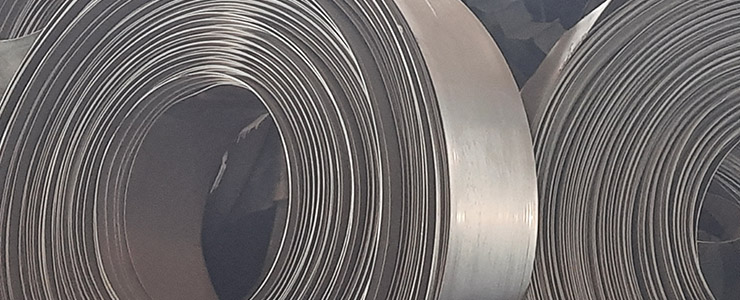
The Energy and Resources Institute (TERI) and Transition Asia released a study, ‘Is Green Steel within reach in India? Green DRI Economics, Policy Drivers and Site Feasibility in Andhra Pradesh,’ at a stakeholder workshop held in Visakhapatnam.
The Calangute panchayat held a special gram sabha to discuss a proposal for a scientific carrying-capacity study of the village. The panchayat had received a proposal from TERI to conduct the study, with residents calling for it to be free from political influence.
In a bid to accelerate renewable energy initiatives in the desert state, a crucial Memorandum of Understanding (MoU) was signed between the Rajasthan Renewable Energy Corporation Limited (RRECL), Government of Rajasthan, and The Energy and Resources Institute (TERI).
The Energy and Resources Institute (TERI) has said that wider adoption of simulator-based training by the Indian Armed Forces can help save more than Rs 1,000 crore annually while reducing fuel consumption, ammunition usage, logistics costs and equipment wear without affecting battlefield preparedness.
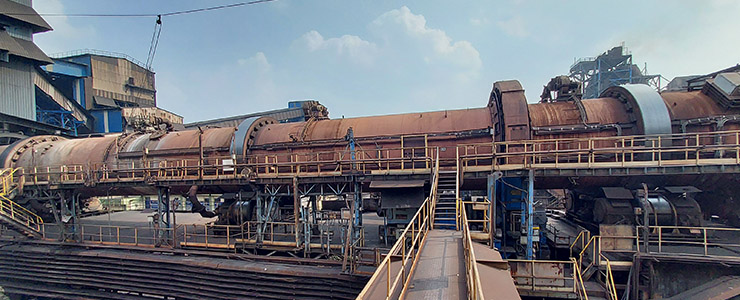
Backed by studies from TERI, IIT Bombay, CEEW, and McKinsey, the case challenges coal-based rotary kilns and pushes for cleaner alternatives like gas or hydrogen.
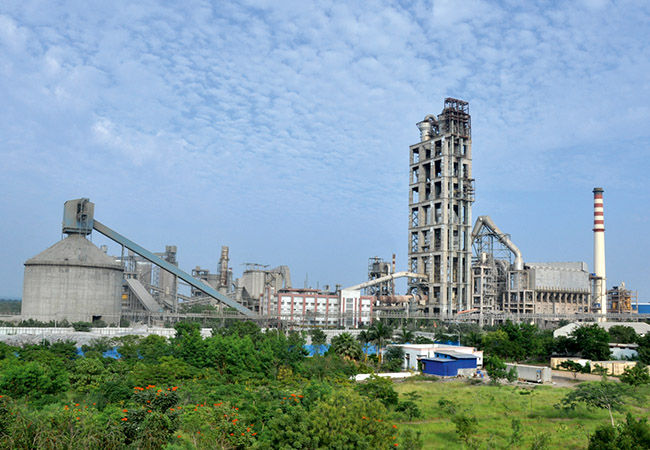
Recent industry analyses, including one developed collaboratively by GCCA India and TERI, highlights four key levers for further reducing emissions in the cement sector. These include increasing the use of SCMs to reduce clinker content, expanding the use of waste-derived and biomass fuels, enhancing energy efficiency through digital and smart control systems, and investing in CCUS technologies. Put together, these initiatives will provide a comprehensive effort towards a more sustainable and low-carbon cement industry.
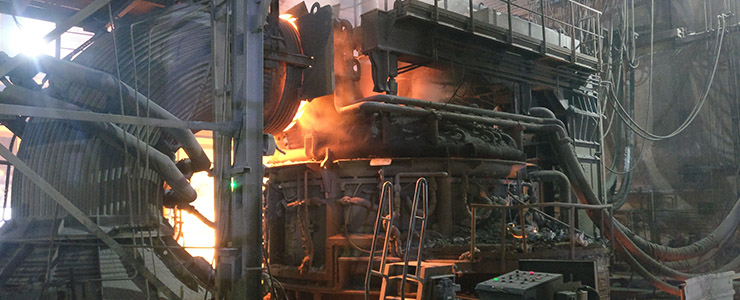
A new study by TERI, in collaboration with Transition Asia, examines a critical decision for India’s next wave of steel capacity: the technology pathway for Phase 2 of ArcelorMittal Nippon Steel’s greenfield complex at Rajayyapeta, Andhra Pradesh. With 9.6 Mtpa of capacity scheduled for decision around 2030 and commissioning in 2033, the report evaluates options based on the site’s iron ore availability, power infrastructure, and policy landscape.
The scale and ambition of India’s mitigation and adaptation efforts are closely tied to the availability, accessibility, and effective deployment of climate finance. Mobilizing and channeling finance, from both domestic and international sources, is central to achieving India’s climate commitments under the Paris Agreement while aligning them with broader development priorities. This underscores the need for robust analytical frameworks that can systematically examine the complex interplay between climate action, financial flows, and economic development.
India’s commitment to achieving net-zero emissions by 2070 hinges significantly on industrial decarbonization. Because replacing fossil fuels for process heat remains a primary challenge, low-carbon thermal solutions must be rapidly deployed across critical manufacturing operations.
To address this gap, TERI has released a new policy brief: “Solar Thermal Energy for Industrial Decarbonization.” The brief focuses on how solar thermal technologies can drive India’s clean energy transition in mid-temperature sub-sectors such as textiles, dairy, pharmaceuticals, and food processing.
This brief summarizes the findings of the Responsible Agri-PV Baseline Assessment conducted by The Energy and Resources Institute (TERI) under the Responsible Energy Initiative (REI) India. The study examines an institutional agrivoltaics (Agri-PV) pilot implemented by Renkube Pvt. Ltd. in collaboration with Professor Jayashankar Telangana State Agricultural University (PJTSAU).
The primary focus of this assessment is to evaluate the feasibility of co-locating solar power generation with active agriculture in the semi-arid, water-stressed conditions typical of Telangana.
This report, prepared by TERI under the Responsible Energy Initiative (REI) India, assesses a farmer-led agrivoltaics (Agri‑PV) pilot at the Khare Energy Plant in Tikamgarh district, Madhya Pradesh. The study evaluates the project’s energy performance, agricultural outcomes, water use, financial viability, and socio-economic impacts, with the aim of understanding how Agri‑PV can support people‑centric and climate‑resilient renewable energy development in India.
The Framework for AgriPV DPR Development by TERI provides a comprehensive, end-to-end guide for planning and implementing agrivoltaic (AgriPV) projects in India, where solar power generation is integrated with agricultural activities on the same land. Designed to support developers, policymakers, and farming communities, the framework outlines a structured five-dimensional approach covering site feasibility, system design, financial planning, governance models, and long-term operations.
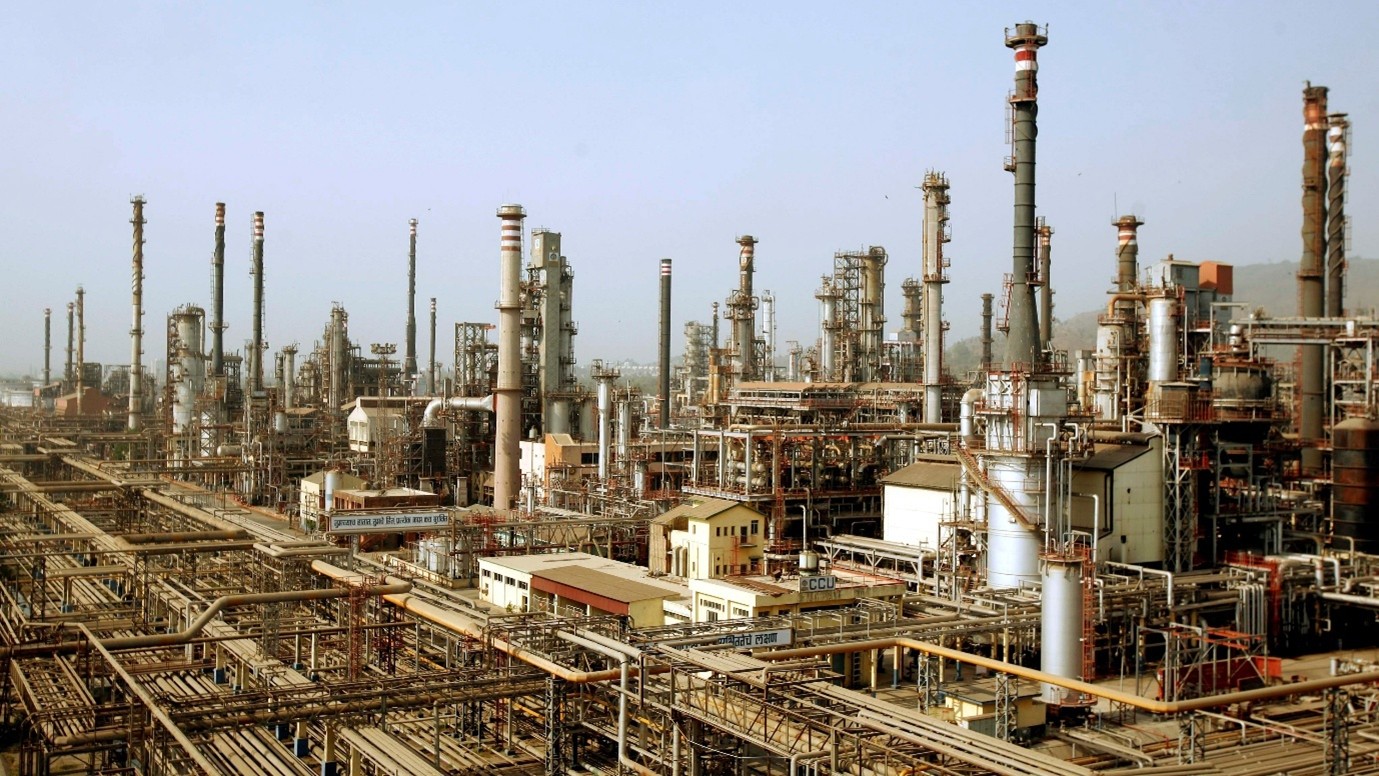
We assist industries in reducing their energy consumption through audits at the plant level. We undertake technology assessments of energy and environmental performance for different industrial sectors and develop or promote energy efficient and environment friendly technological solutions.
We develop and promote energy efficient technologies and environment friendly solutions for industries. The main objective is to enable supply chains to reduce fuel consumption, efficient resource utilization and enhance environmental performance.