Headquarters
The Energy and Resources Institute (TERI)
Darbari Seth Block, Core 6C,
India Habitat Centre, Lodhi Road,
New Delhi - 110 003, India
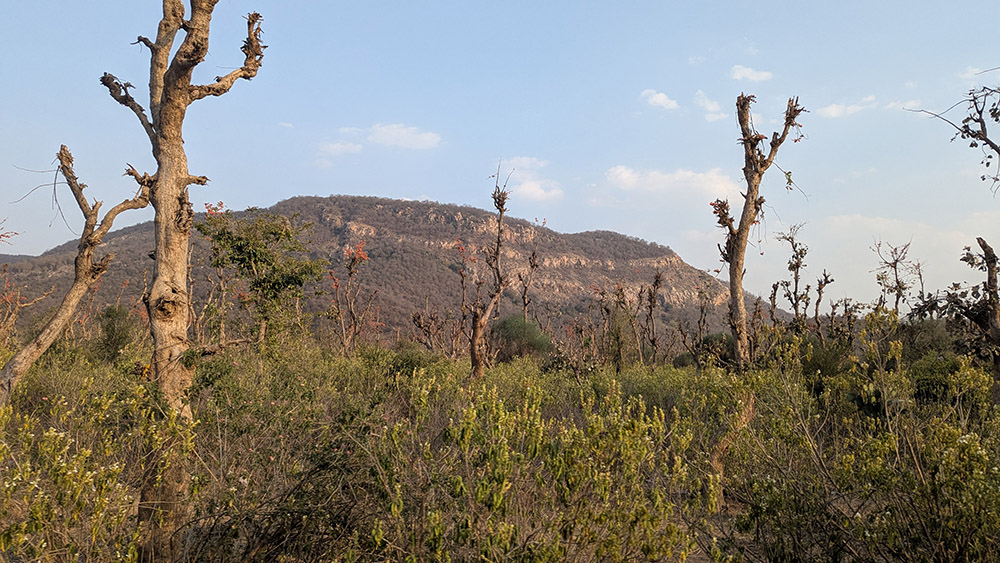
The Aravalli Range is among the world’s oldest geological features, stretching 692 km from Palanpur in Gujarat through Rajasthan and Haryana to Delhi. For eons, this mountain system has acted as a primary ecological barrier against the expansion of the Thar Desert and a critical watershed for Northwest India.
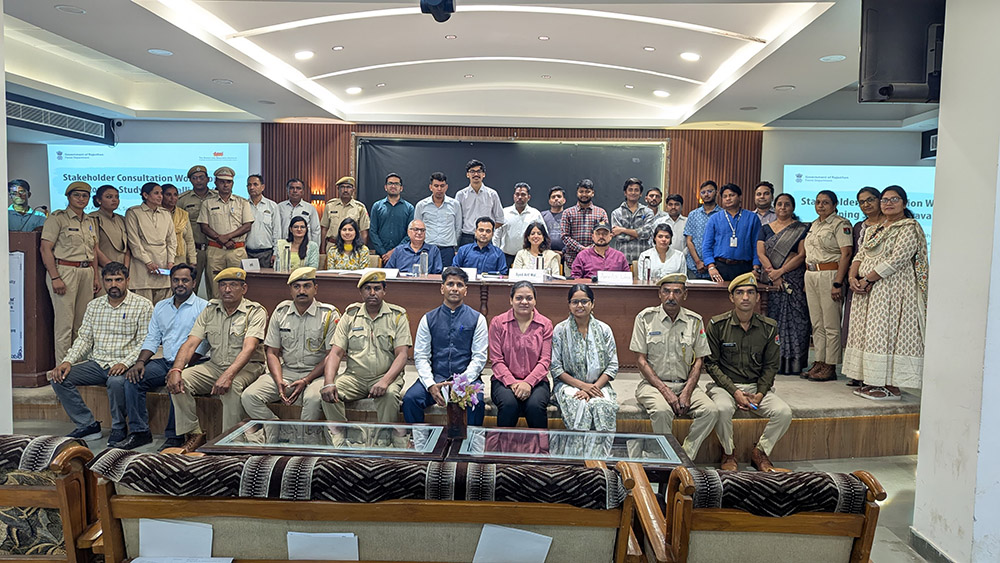
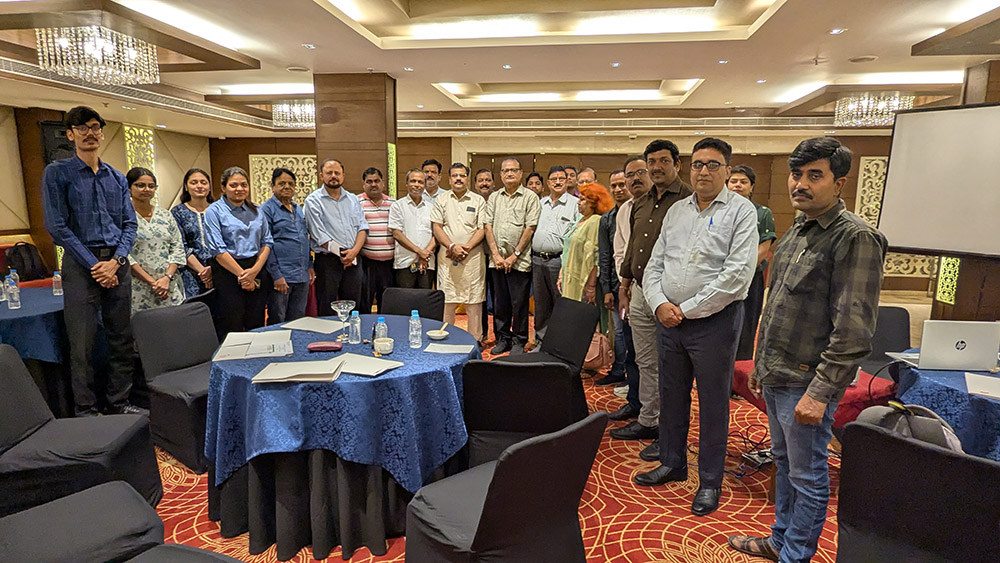
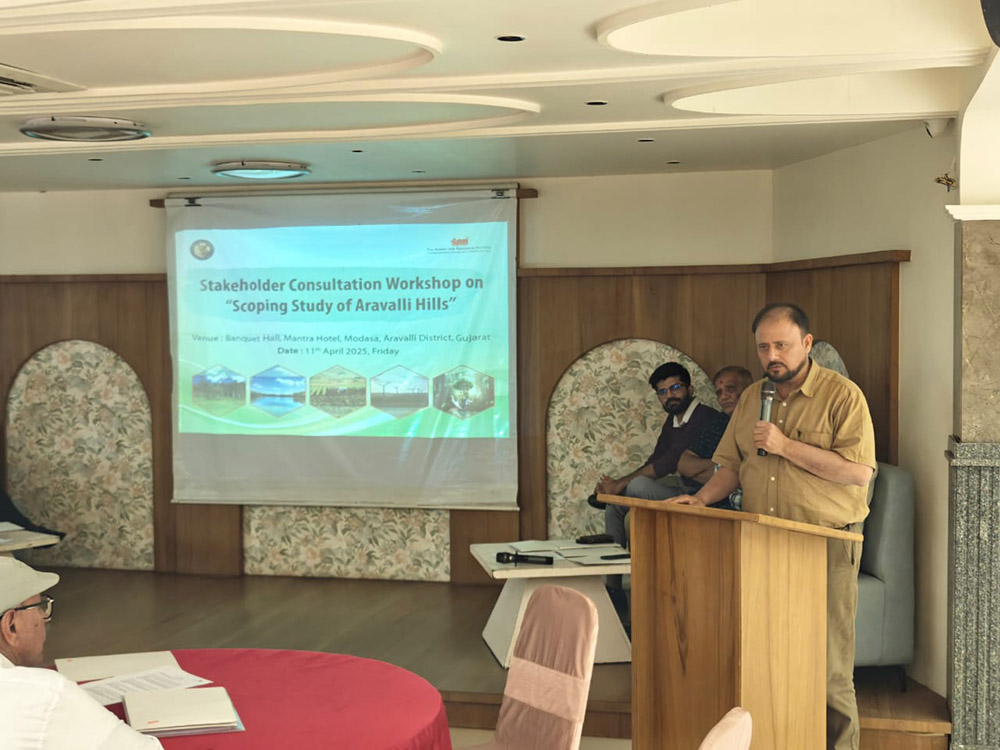
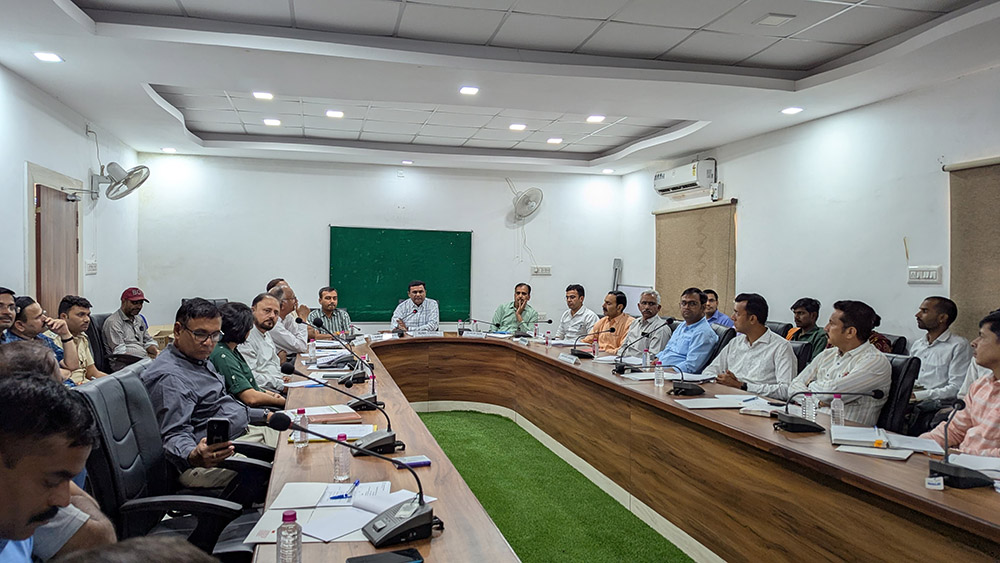
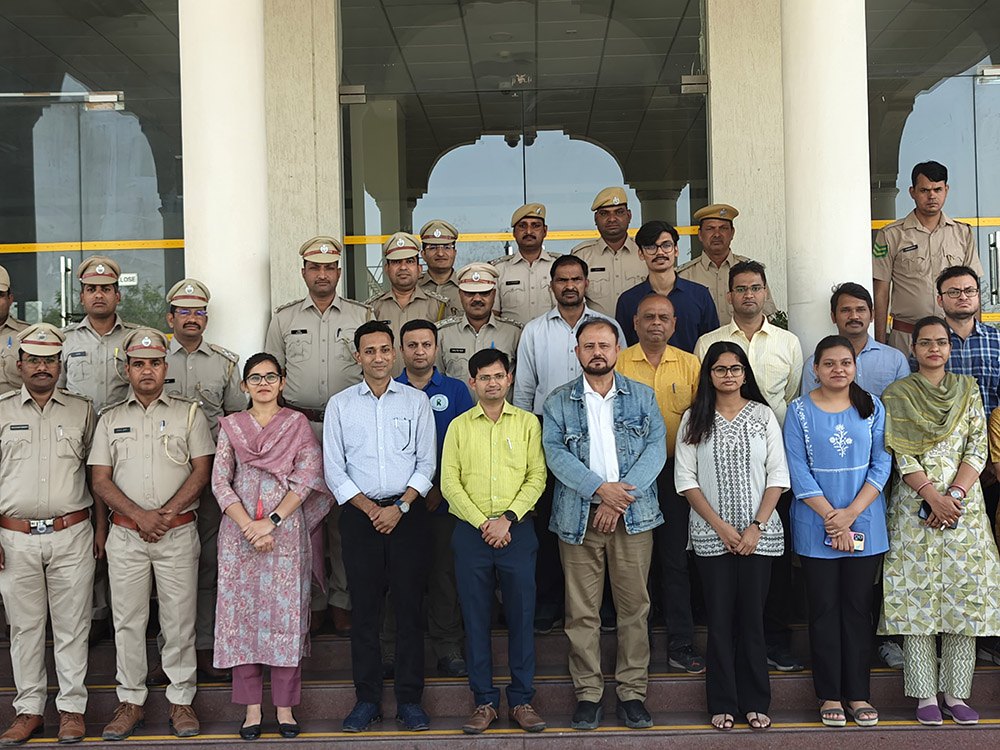
To assess the current health of this vital range, TERI’s Land Resources Division conducted a comprehensive six-month scoping study. By integrating satellite RS-GIS analysis with literature reviews and stakeholder consultations across five districts, the study provides a sobering look at the scale of degradation and a roadmap for science-based restoration.
The scoping study reveals that the Aravallis are currently facing unprecedented ecological strain driven by rapid urbanization, mining, and unsustainable land use.
TERI’s recommendations move beyond simple tree planting, focusing instead on nature-based solutions tailored to the specific micro-climates of the range:
To address water security, the study emphasizes the rejuvenation of traditional wisdom alongside modern engineering:
The Aravallis are not a monolith; they require diverse management strategies:
The success of these interventions hinges on the people who live within the range. TERI advocates for a restoration model that empowers local communities and honors traditional knowledge:
The Aravallis are more than just hills; they are a critical climate regulator for Northern India. TERI’s study underscores that while the degradation is widespread, it is not irreversible. By combining GIS-backed science with the traditional ecological knowledge of tribal communities, India can ensure this ancient range continues to protect the subcontinent for another billion years.