Headquarters
The Energy and Resources Institute (TERI)
Darbari Seth Block, Core 6C,
India Habitat Centre, Lodhi Road,
New Delhi - 110 003, India
The Watershed Development Department (WDD) of Karnataka is implementing the REWARD project with financial assistance from the World Bank. Currently being piloted in the states of Karnataka and Odisha, the project focuses on promoting climate-smart agriculture to bolster rural resilience. Initiated in 2021–22 and slated to continue through 2026–27, the initiative provides comprehensive solutions to farmers through scientific watershed development, encompassing production, processing, post-harvest management, and marketing. A key pillar of the project is the socio-economic development of landless communities and women through inclusive interventions. The project’s ambitious scope includes the establishment of a Land Resource Inventory (LRI) for 20 lakh hectares across 21 districts, alongside the implementation of LRI-based interventions over 1 lakh hectares.
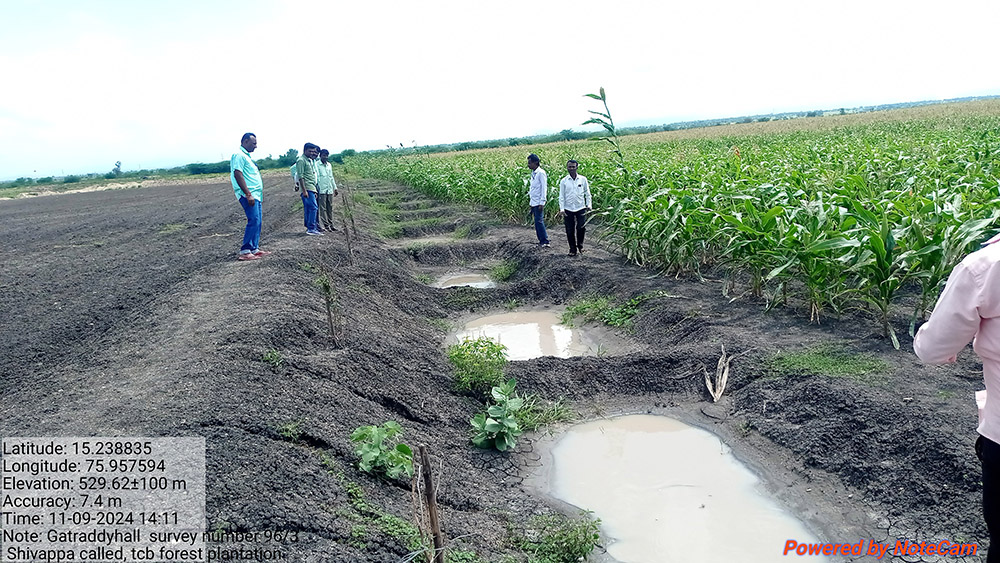
A consortium of scientific partners supports the program, with The Energy and Resources Institute (TERI) serving as the lead agency for process monitoring, documentation, and reporting. TERI conducts concurrent monitoring by collecting qualitative and quantitative data on a monthly basis, which is synthesized into detailed quarterly reports. This role involves undertaking sample-based field verifications to ensure all activities align with approved Detailed Project Reports (DPRs). The monitoring process rigorously evaluates adherence to guidelines and timelines, identifies implementation deviations, and suggests necessary corrective measures to maintain project momentum.
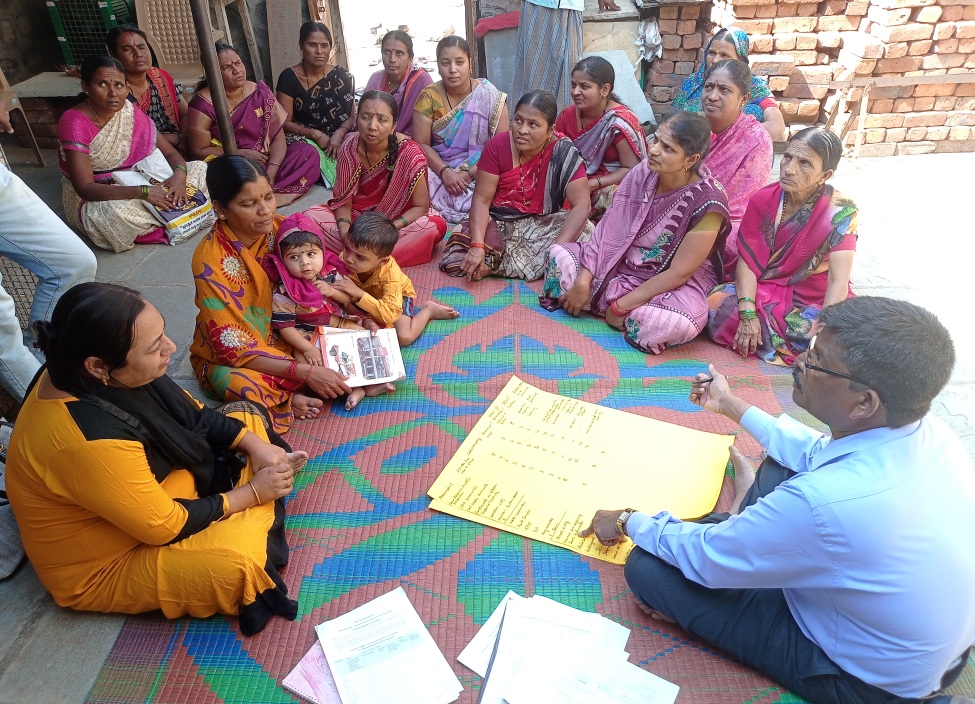
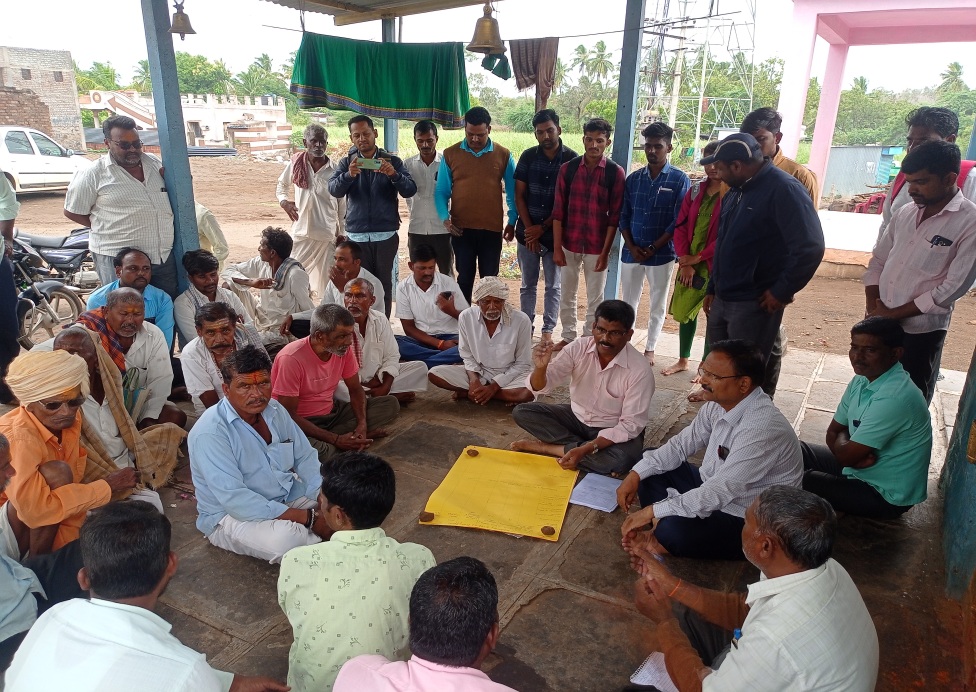
To ensure data integrity, TERI coordinates closely with a wide range of stakeholders, including Project Implementing Agencies (PIAs), Raitha Samparka Kendra (RSK) officials, Field NGOs (FNGOs), and the farming community. Data is gathered through field visits, surveys, and focus group discussions using structured tools and checklists, followed by thorough cross-verification for accuracy. The resulting analysis highlights progress and challenges while providing actionable recommendations to enhance the overall effectiveness of the project’s implementation.