Headquarters
The Energy and Resources Institute (TERI)
Darbari Seth Block, Core 6C,
India Habitat Centre, Lodhi Road,
New Delhi - 110 003, India
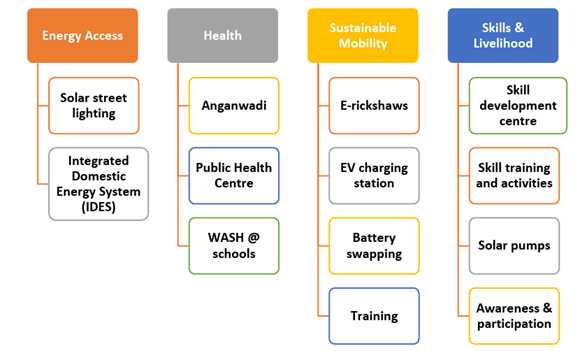
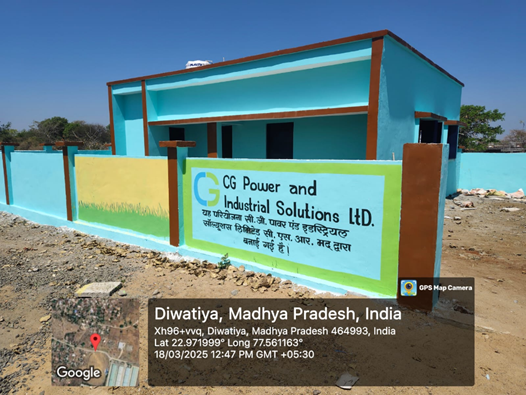
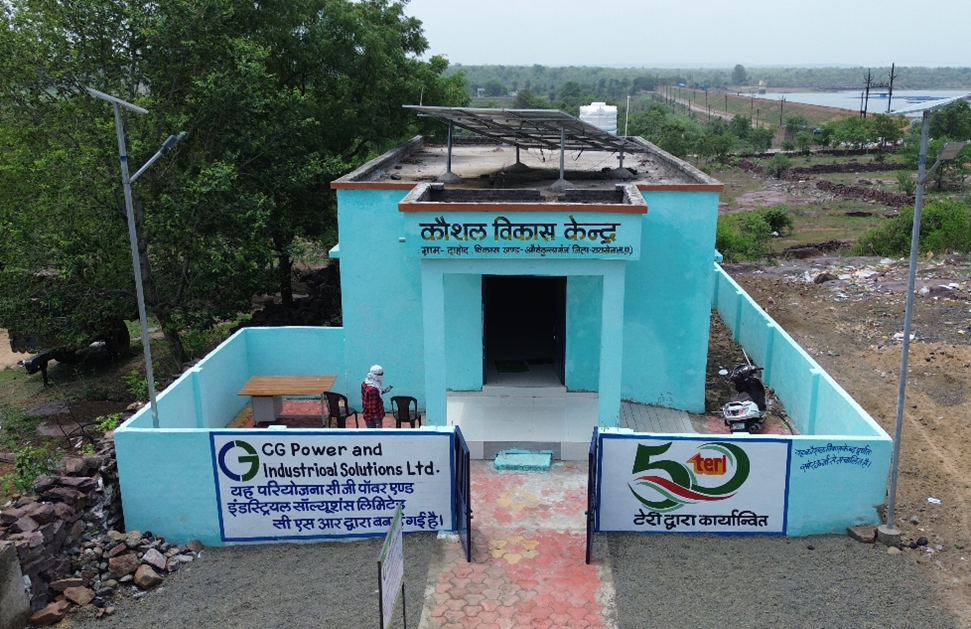
CG POWER AND INDUSTRIAL SOLUTIONS LTD (CG) under their CSR initiative, collaborated with TERI to create sustainable impacts through integrated rural development in the operational area of its plant in Mandideep, Madhya Pradesh. Given its extensive experience in successfully implementing sustainable rural development solutions across India, TERI formulated a holistic programme comprising sustainable development activities under various thematic domains. Four major themes were chosen in consultation with CG Power, including clean energy access, skills and livelihood, health and sustainable mobility.
The overall objective of the project was to foster the design and implementation of initiatives that holistically address issues concerning environmental conservation and social challenges using a people-centric approach. Specific objectives include-
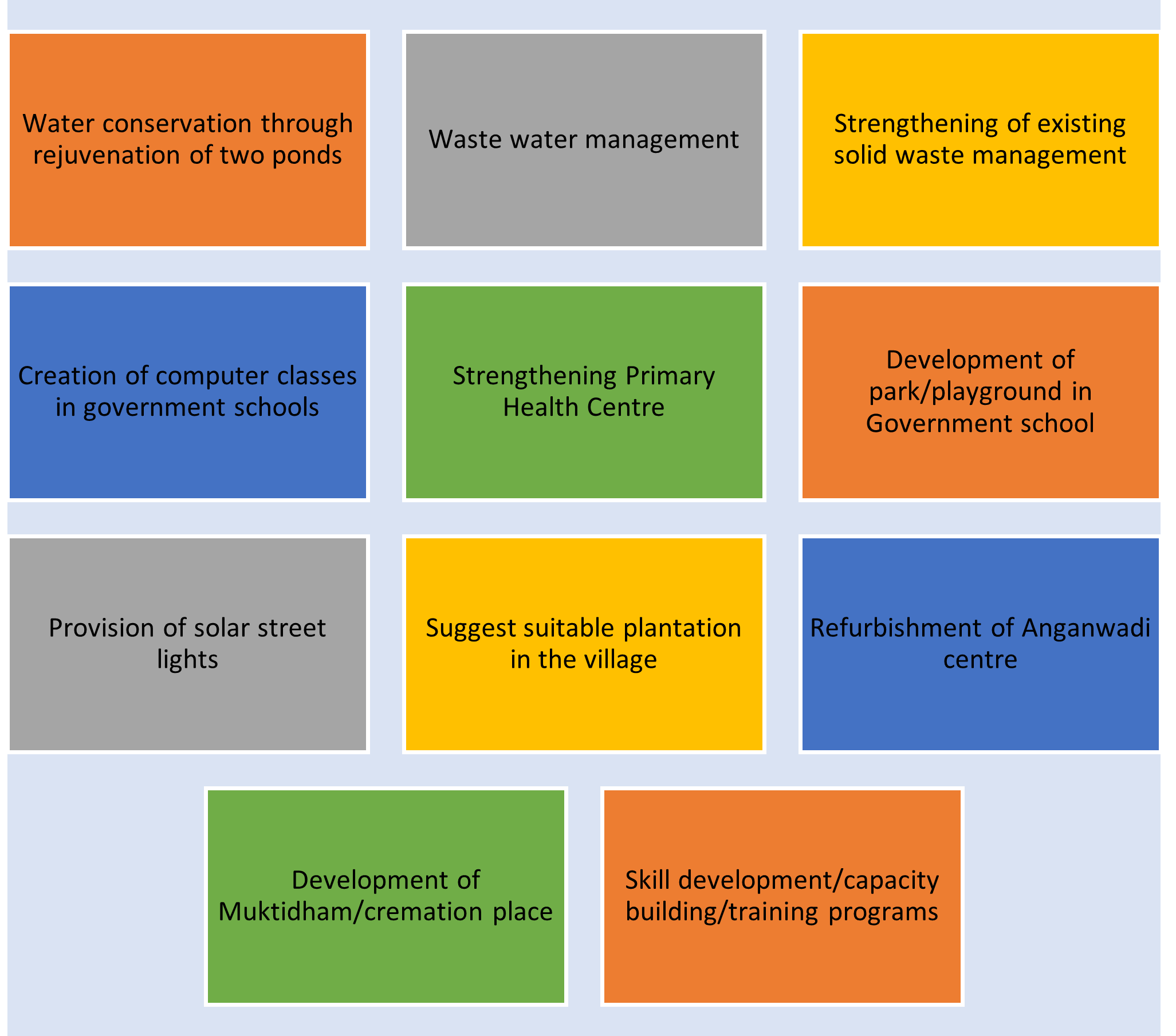
An inclusive bottom-up approach was adopted for formulating solutions, where different sections of the community were consulted to understand their challenges and demands for enhancing their lives and livelihoods. Amongst the villages surveyed, Diwatiya, Goharganj, Dahod, Bamnai, and Harrai were shortlisted for interventions.
| Promote Herbal & Natural Farming (Medicinal and Aromatic Plants) | Promote Organic Farming | Sustainable Techniques for Irrigation |
| Establish Mini Food Processing Unit, Poly-Houses, Rain Water Harvesting Structures | Training and Resource Centre Development | Promote Homestays & Eco-tourism Concept |
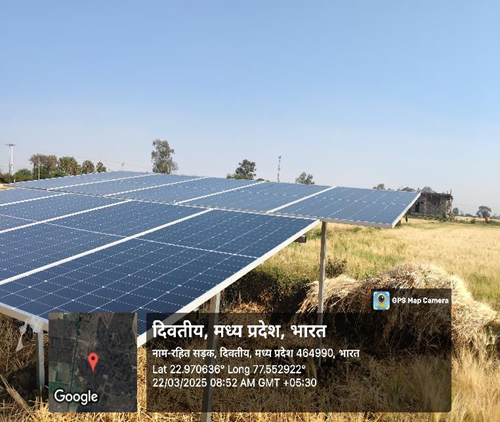
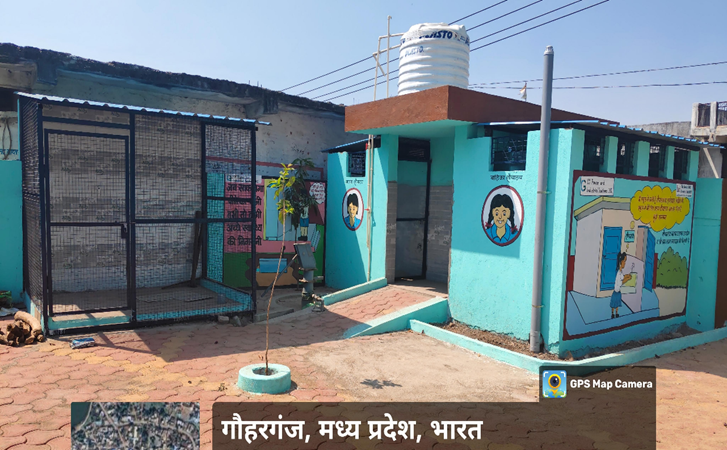
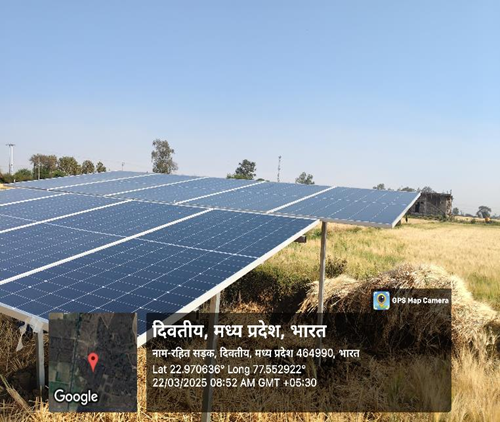
The project transformed the villages around Mandideep through unique environmentally conscious and sustainable solutions that addressed the infrastructural gaps faced by the villages. These interventions were pivoted around community need, acceptance, and ownership. The project not just aimed to plug the gaps in physical infrastructure but also attempted to contribute to social changes through improved educational and health outcomes, alternative livelihood opportunities, enhanced skills, and empowering women towards economic independence. The project also contributed to ensuring food security through uninterrupted clean power supply for irrigation. Ensuring better last mile connectivity to the community through e-mobility solutions creates an environment for economic development, women’s safety, and better social interactions amongst community members. Overall, this project is an example of holistic sustainable development at the heart of rural India that leads the way for future rural development initiatives through a strong partnership between Corporates, Community, and Implementing Agencies.