
Headquarters
The Energy and Resources Institute (TERI)
Darbari Seth Block, Core 6C,
India Habitat Centre, Lodhi Road,
New Delhi - 110 003, India
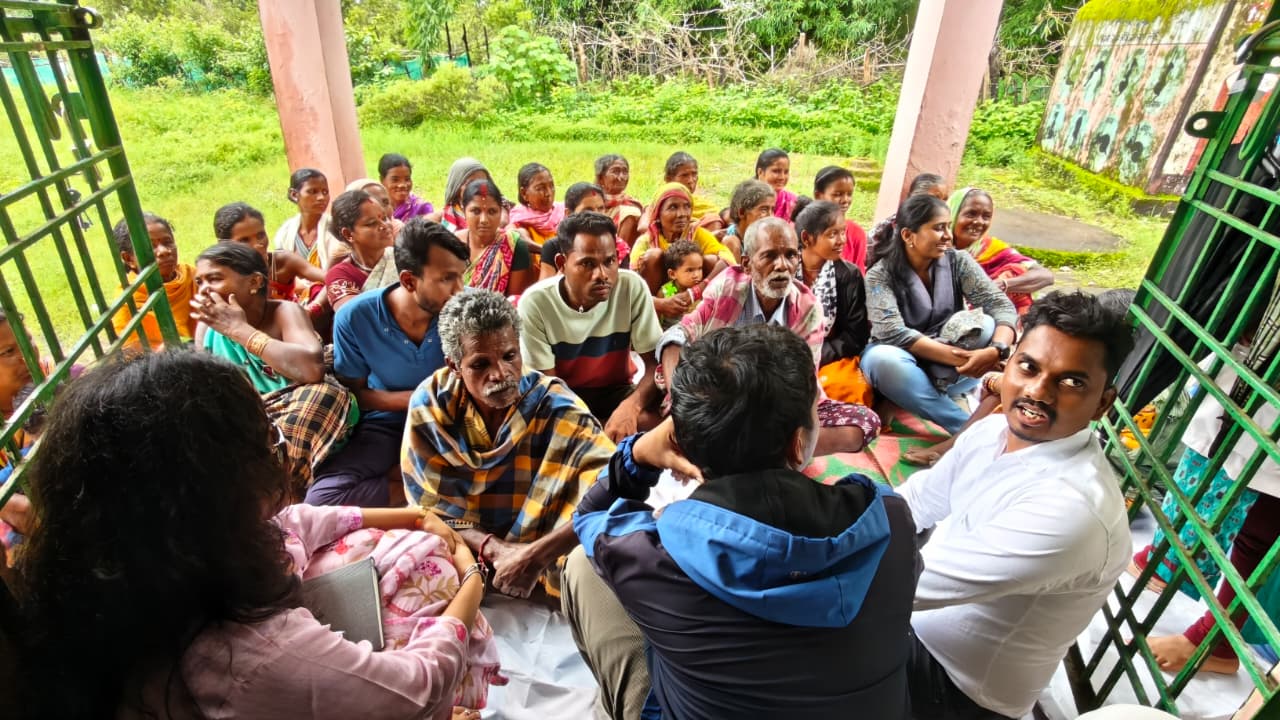
Outbreak-prone infectious diseases and priority zoonotic diseases are among the leading causes of morbidity and mortality in developing nations, including India. They also pose significant threats to livelihoods and economic stability, particularly in communities where close interactions among humans, animals, and the environment are commonplace.
With an estimated 75 percent of emerging human infectious diseases originating from zoonotic pathogens, adopting a "One Health" approach has become imperative. This approach recognizes the interconnectedness of human, animal, and environmental health, focusing on the shared interfaces where close interactions create risks for disease spillover and transmission. In India, these interfaces are especially critical due to dense human populations, extensive livestock farming, and rich wildlife biodiversity.
Under this initiative, TERI is collaborating with Jhpiego to examine the Human–Animal–Environment (HAE) interface for selected zoonotic and outbreak-prone infectious diseases. The project aims to map prevalent transmission pathways, identify high-risk behaviors, and co-develop evidence-based interventions for behavior change to reduce community-level disease risks. This assignment forms part of the multi-country project “Reaching Impact, Saturation, and Epidemic Control (RISE),” supported by the U.S. Department of State. TERI’s work focuses on four districts across two states: Aizawl and Lunglei in Mizoram, and Koraput and Ganjam in Odisha. The target diseases include cholera (Ganjam), scrub typhus (Aizawl and Koraput), and human influenza (Lunglei).
A core pillar of the project is the co-design of interventions, engaging a wide range of stakeholders from inception. Key deliverables will include visual transmission maps for the target districts, co-designed behavioral prototypes, IEC materials, standard operating procedures (SOPs), and implementation protocols. Additionally, a comprehensive MEL report will document intervention effectiveness, adoption rates, scalability, and lessons learned to strengthen community-level outbreak preparedness.
For more information regarding the project activities and updates please write to: Dr. Richa Sharma (richa.sharma@teri.res.in) or Dr. Pallavi Joshi (pallavi.lahari@teri.res.in)