Headquarters
The Energy and Resources Institute (TERI)
Darbari Seth Block, Core 6C,
India Habitat Centre, Lodhi Road,
New Delhi - 110 003, India
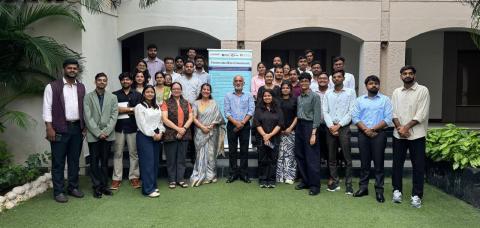
Three-day programme in Bhopal explored climate change, biodiversity conservation, ecosystem restoration and sustainability communication
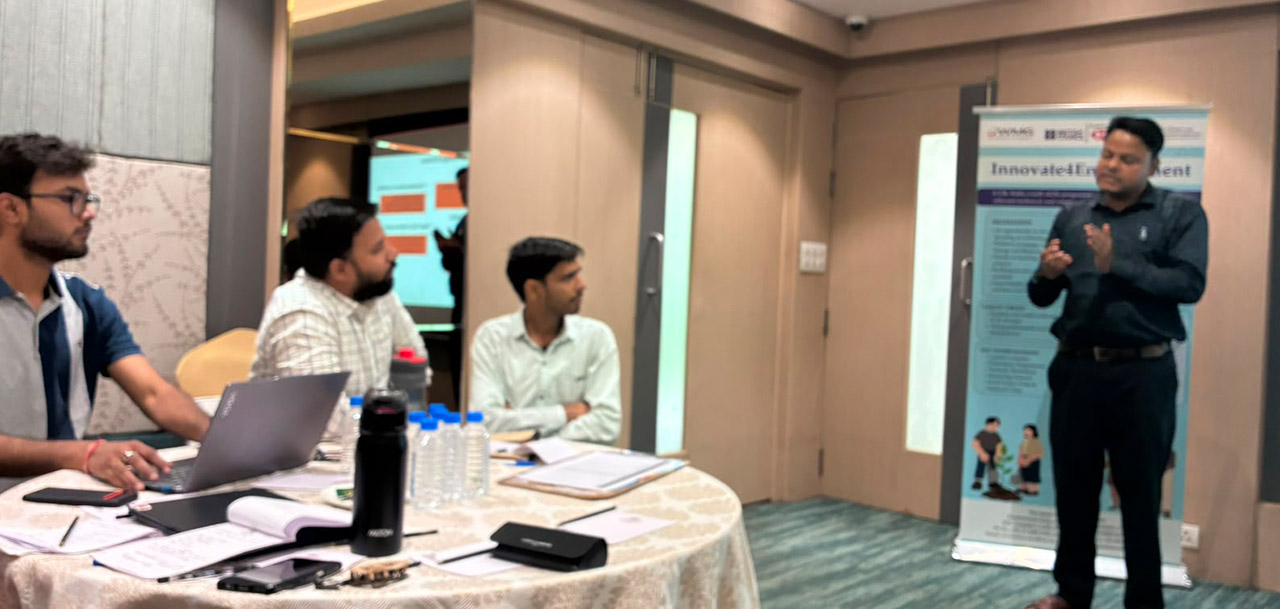
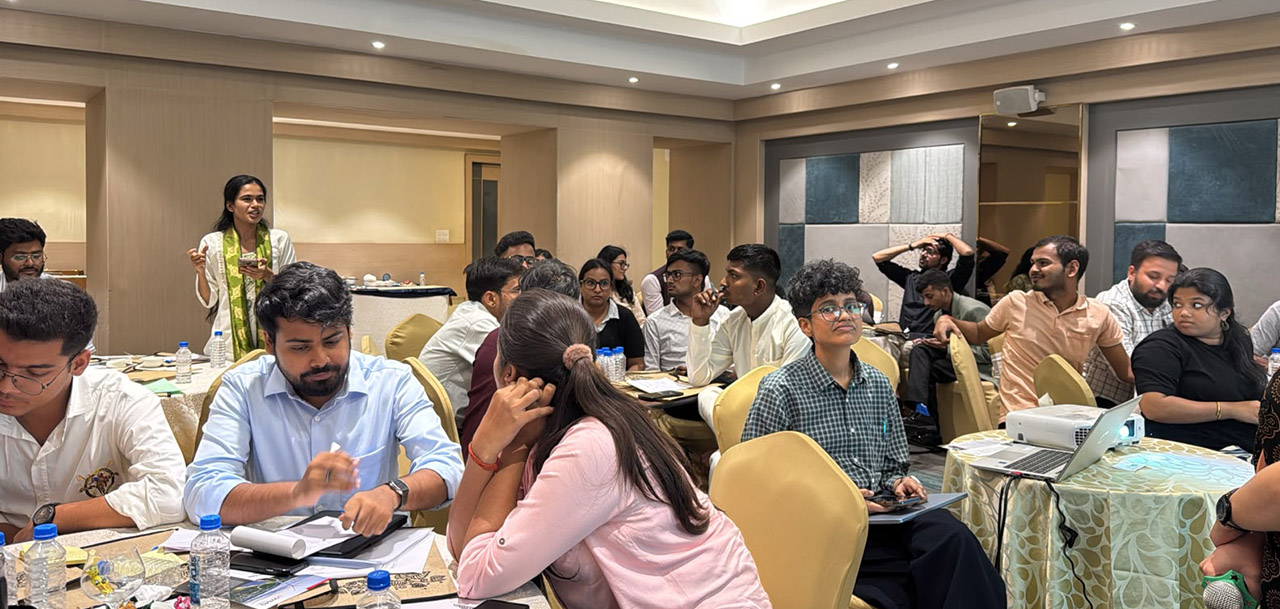
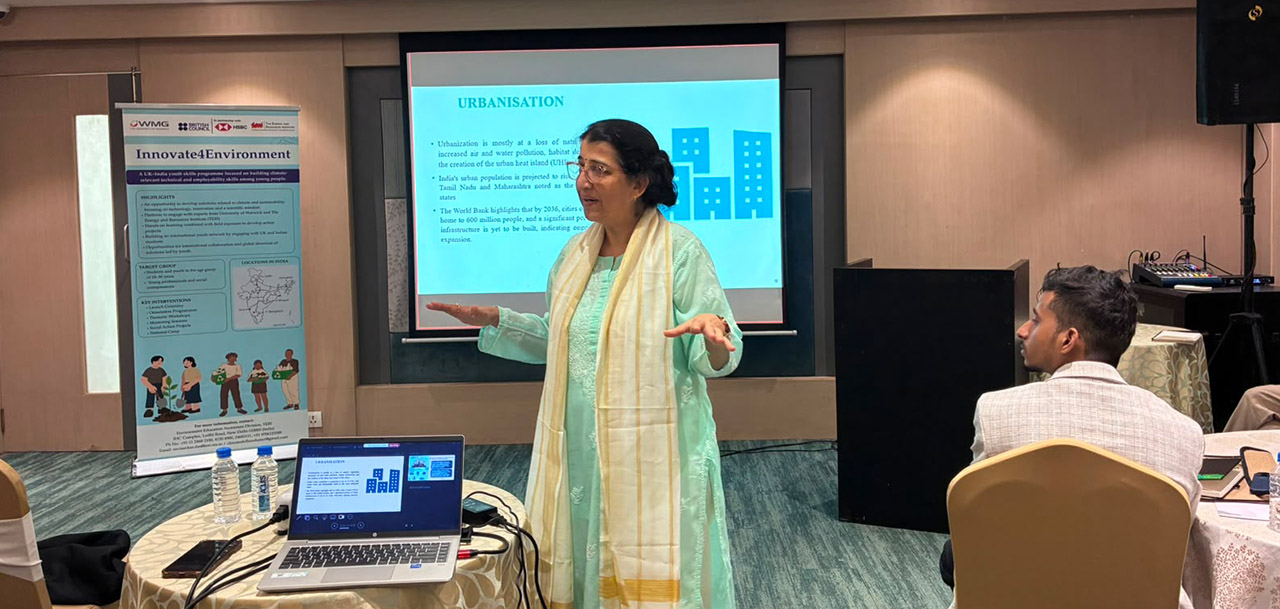
Bhopal, August 20, 2026: The Energy and Resources Institute (TERI) successfully concluded the three-day Innovate4Environment Workshop on Ecology, Environment and Climate Change in Bhopal, Madhya Pradesh. Held from August 18–20 at Enrise by Sayaji, the workshop brought together young participants and environmental experts to deepen understanding of the interconnections between climate change, biodiversity, ecosystems and sustainable development, while encouraging youth-led solutions to local environmental challenges.
The workshop was inaugurated by Ms Taru Mehta, Associate Director, Environment Education and Awareness (EEA), TERI, with Dr Lokendra Thakkar, Executive Director, National Centre for Human Settlement and Environment (NCHSE), Bhopal, delivering the keynote address and Dr Livleen K. Kahlon, Director, EEA, TERI, delivering the special remarks. The inaugural session also featured an introduction to the Innovate4Environment initiative and a screening of a documentary.
Welcoming the participants, Ms Taru Mehta, Associate Director, EEA, TERI, highlighted the importance of enabling young people to understand environmental challenges in an integrated manner and translate their learning into meaningful action. Ms Mehta said, “Innovate4Environment is rooted in the principles of Education for Sustainable Development. Sustainability education is about developing the competencies to think critically, collaborate across disciplines, innovate responsibly and make informed decisions. In Bhopal, we are bringing these competencies together through a focus on ecology, biodiversity, climate change and sustainability communication, while connecting learning with real-world environmental challenges.”
Delivering the keynote address, Dr Lokendra Thakkar, Executive Director, NCHSE, Bhopal, emphasized the need to strengthen youth engagement with environmental and climate challenges and encouraged participants to explore solutions that respond to local ecological realities. Dr Thakkar shared, “Listening to the young participants today took me back to my own youth and to a similar fellowship experience with TERI. I encourage you to make the most of this opportunity—not only by learning from the sessions and experts, but also by building networks that continue beyond the workshop. Collaboration is critical to turning ideas into action, so I urge you to innovate, integrate and implement ideas that are good not only for yourselves, but also for society and the planet.”
In her special remarks, Dr Livleen K. Kahlon, Director, EEA, TERI, discussed the importance of biodiversity conservation and ecosystem-based approaches in responding to climate change, while encouraging participants to become active contributors to environmental stewardship. Dr Kahlon asserted, “Young people have the potential to drive transformative environmental action when equipped with the right knowledge, skills, and opportunities. At Innovate4Environment, we seek to help participants understand the interconnectedness of climate, biodiversity, ecosystems and people, and translate this learning into solutions rooted in local realities.”
The first day of the workshop focused on building participants’ understanding of the relationship between climate change and biodiversity. A group activity on Youth for Biodiversity Conservation encouraged participants to explore their role in protecting ecosystems, followed by a technical session on the impacts of climate change on India’s biodiversity. Participants also engaged with the role of museums as catalysts for environmental awareness and change through a session led by Dr Beenish Rafat, Head, Regional Museum of Natural History (RMNH), Bhopal. The day concluded with a group assignment on sustainability communication and presentations by participants.
The second day moved towards environmental governance, ecosystem restoration and project development.
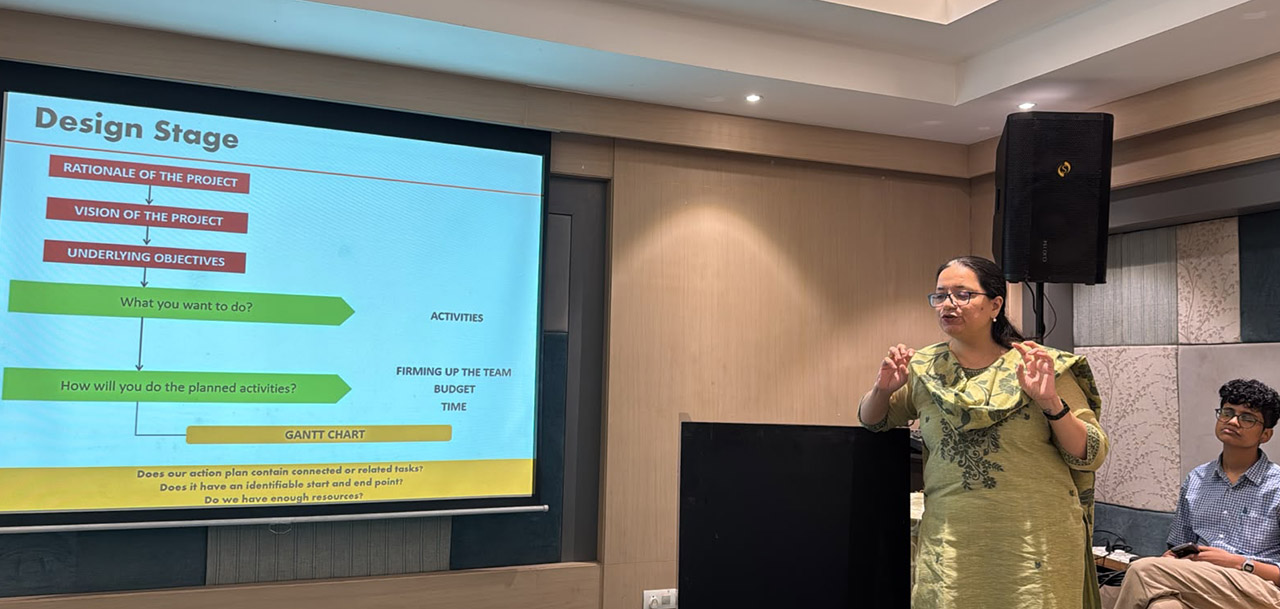
Participants presented their group work on youth and biodiversity conservation and explored environmental governance for solid waste management, with a focus on the transition from waste disposal to a circular economy. They also worked on their Social Action Projects (SAPs), developing and refining project ideas with guidance from mentors. A session on ecosystem restoration, nature, climate and people further explored the interconnected dimensions of environmental sustainability.
The workshop concluded with a field visit to the Regional Museum of Natural History, Bhopal, providing participants an opportunity to further engage with biodiversity and environmental education through experiential learning.
Through the three-day programme, participants were encouraged to connect scientific understanding with communication, collaboration and practical action, while developing Social Action Projects that respond to environmental challenges in their communities.
The Bhopal workshop marks the last leg in a series of Innovate4Environment workshops organized by TERI in partnership with the Warwick Manufacturing Group (WMG), University of Warwick, under the broader UK–India youth climate skills programme. The initiative has brought together young people through thematic workshops across India, including Goa, where participants explored communication, participatory methods, project management and technical skills; Bengaluru, which focused on data analytics for sustainability, including GIS, remote sensing and spatial analysis; Guwahati, which addressed sustainable waste management, circular economy and community-led environmental solutions; and Delhi, where parallel workshops explored renewable energy and biotechnology, microbiology and sustainable agriculture. Together, the workshops have provided young participants with interdisciplinary knowledge, practical exposure, mentorship and opportunities to develop Social Action Projects (SAPs) aimed at advancing sustainable and climate-resilient solutions.