Headquarters
The Energy and Resources Institute (TERI)
Darbari Seth Block, Core 6C,
India Habitat Centre, Lodhi Road,
New Delhi - 110 003, India
As SDG Deadline Nears, TERI Convenes Thought Leaders to Chart the Road Beyond 2030
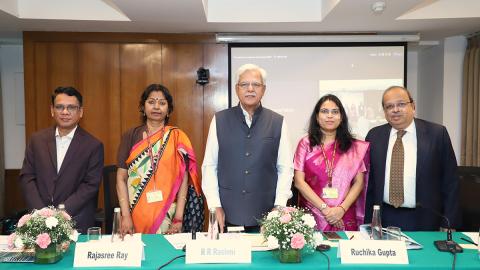
New Delhi, 29 September 2026: The Energy and Resources Institute (TERI) today convened a dialogue titled, “Sustainable Development Agenda 2030 and Beyond” at India Habitat Centre, Lodhi Road, New Delhi. The event brought together senior policymakers, diplomats, multilateral representatives, and sustainability experts to deliberate on the contours of a global development framework beyond 2030, with a particular emphasis on perspectives from the Global South.
The dialogue was convened against the backdrop of a decade of Sustainable Development Goals (SDGs) implementation since 2016, and amid growing recognition that progress across the 17 Goals remains uneven as the 2030 deadline approaches. Discussions drew on findings that only a limited share of assessed targets is on track, with several goals, including those on water and sanitation, inequality, and life below water, showing stagnation or regression. Participants noted that the Pact for the Future, adopted by the UN General Assembly, calls on member states to "plan for the future" and accelerate implementation of the 2030 Agenda "by 2030 and beyond," and that the 2027 SDG Summit is expected to formally initiate intergovernmental discussions on a follow-up framework.
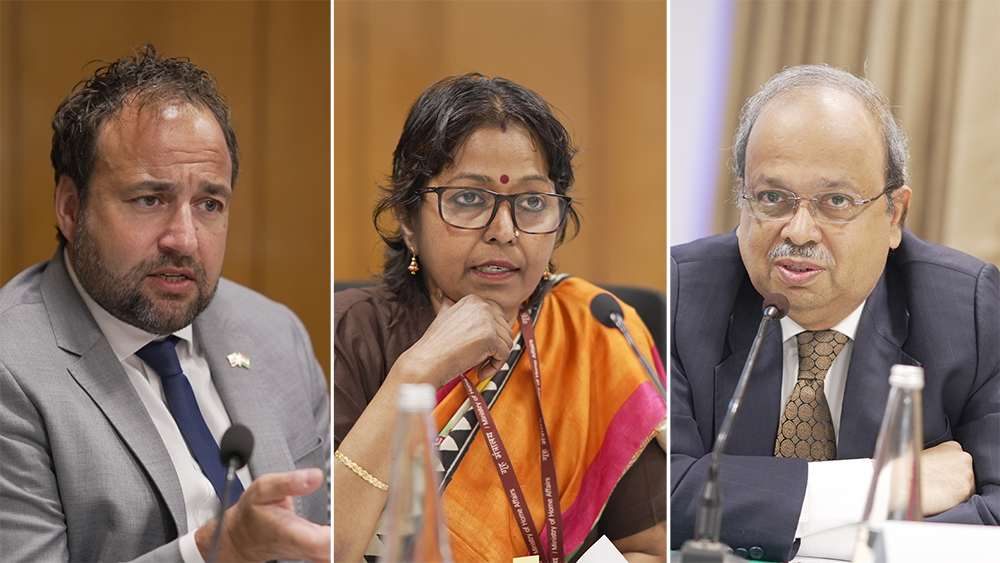
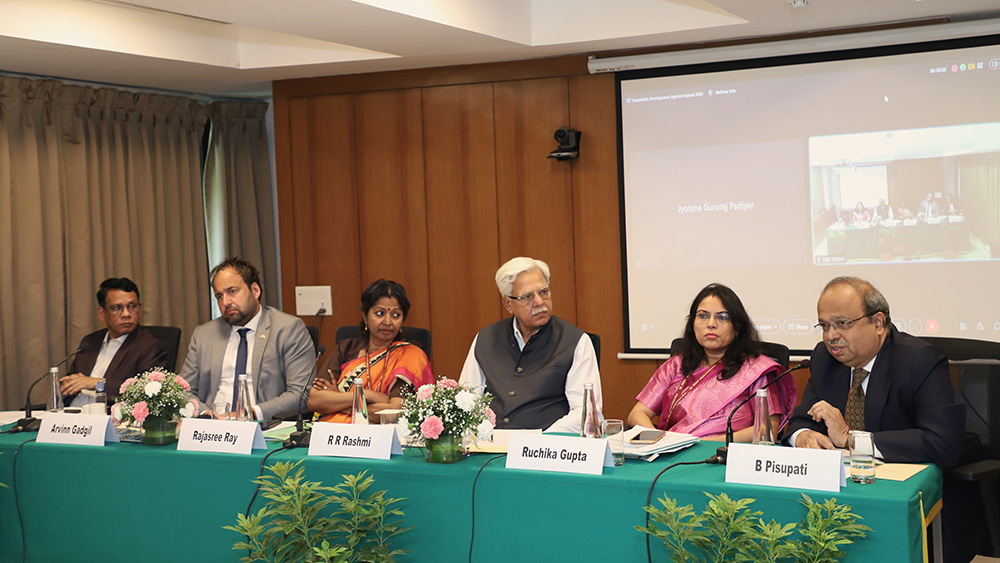
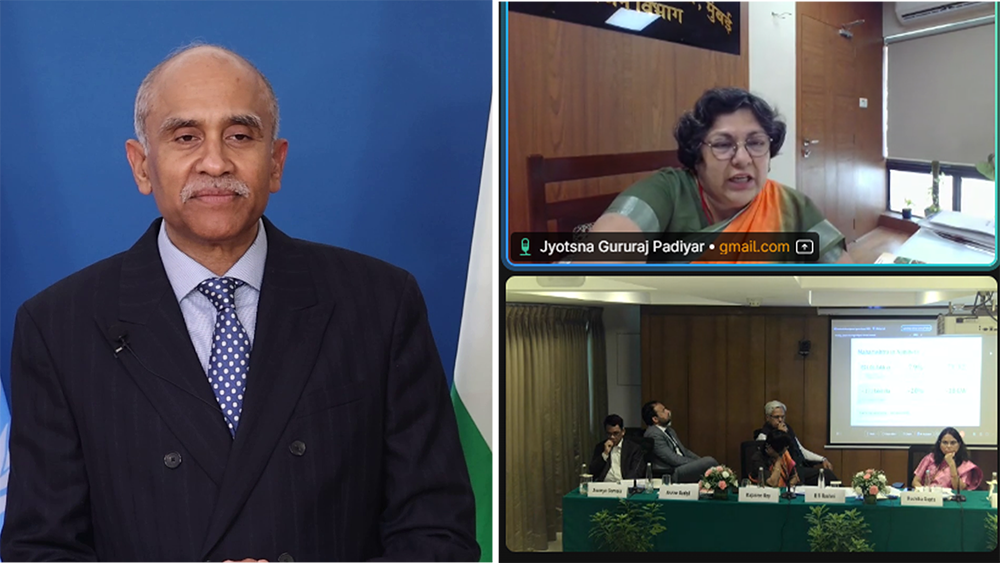
The keynote segment, chaired by Mr R R Rashmi, Distinguished Fellow, TERI, featured addresses from:
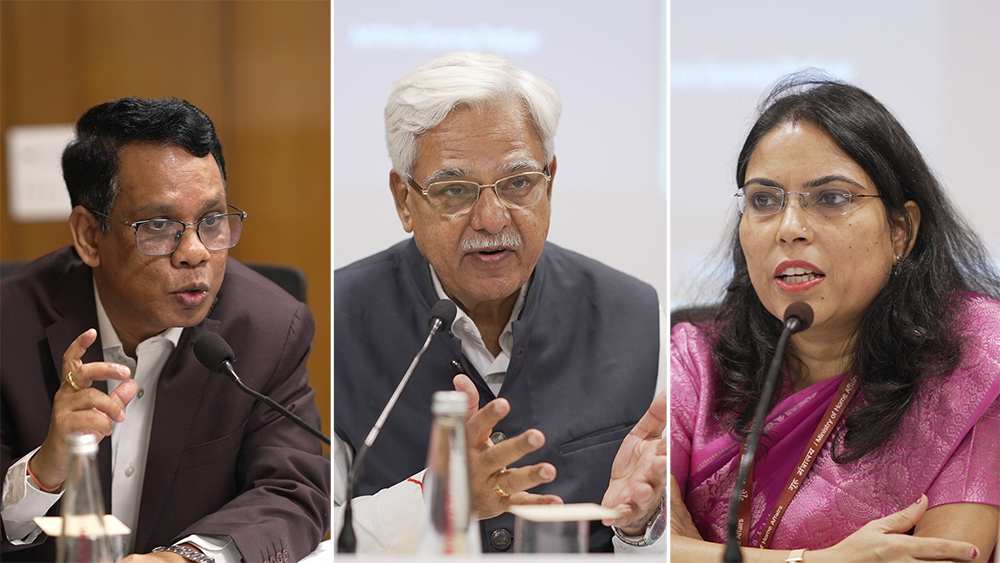
Mr R R Rashmi, Distinguished Fellow, TERI, while summing up the seven addresses noted, “Clearly we need to go beyond the existing framework but build on it rather than throw it out of the window. How do we build upon this is the real question, what should be the key priorities, what should be the structure of the framework beyond 2030, do we have to renegotiate the entire framework all afresh or we build on it and include a few new elements because many of the speakers have also emphasized that in the last 15 years a number of developments have taken place.”
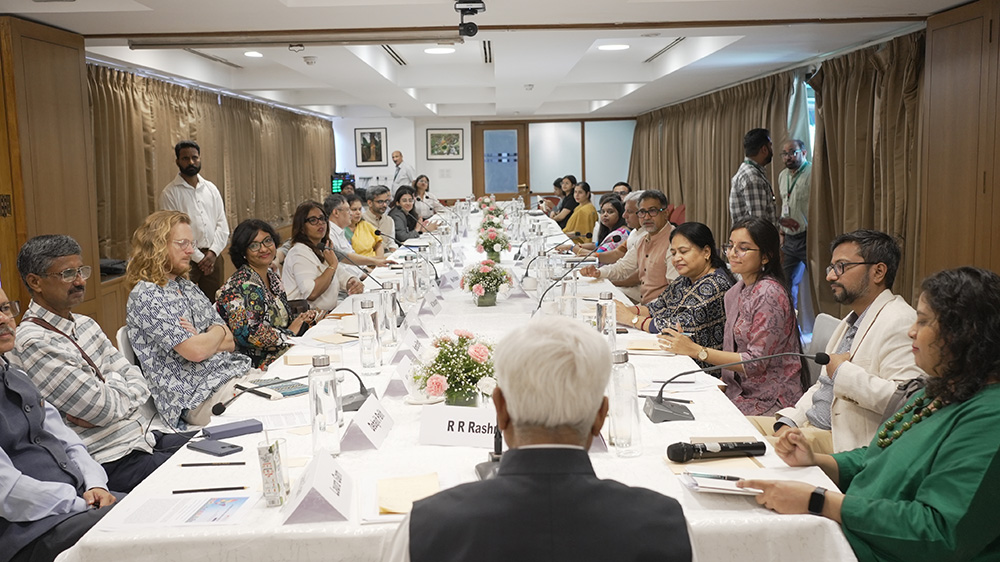
The roundtable discussion brought together an extensive group of discussants from over 40 organisations. The wide-ranging discussion converged on the need to strengthen means of implementation — particularly financing, technology access, and data systems — and to ensure that the principle of common but differentiated responsibilities and respective capabilities remains central to any future framework. Discussants also flagged the governance of emerging technologies, including artificial intelligence, the localization of implementation, and the role of multilateral reform in enabling more effective global cooperation.
The dialogue concluded with closing remarks that synthesized the day’s discussions and outlined key takeaways to inform ongoing and future engagement on the post-2030 agenda.
The dialogue opened with introductory remarks by Dr Shailly Kedia, Senior Fellow and Director, TERI, who welcomed the participants and set the context for reflecting on the progress and challenges of the 2030 Agenda. Ms Ishita Srivastava, Associate Fellow, TERI, followed with a framing presentation outlining the key issues shaping the Agenda 2030 endgame and the questions guiding the deliberations.
The discussion explored three broad pathways for a post-2030 sustainable development framework: incremental reform of the existing SDG architecture with revised targets and an extended timeline; continuation of the current framework with updated targets and indicators; and a more transformative approach featuring stronger legal mandates, deeper localization and enhanced intergovernmental accountability.
The dialogue also examined persistent implementation gaps, governance and accountability challenges, and the need for a framework that better reflects the priorities and realities of the Global South. The insights are expected to contribute to ongoing discussions ahead of the 2027 SDG Summit and the third Global Sustainable Development Report, scheduled for publication in September 2027.