
Headquarters
The Energy and Resources Institute (TERI)
Darbari Seth Block, Core 6C,
India Habitat Centre, Lodhi Road,
New Delhi - 110 003, India
While biofuels have been discussed as one of the ways to reduce air pollution, changing the process of bio-diesel production is needed to reduce tailpipe emissions of nanoparticles. These are lesser known pollutants even more harmful than PM2.5 and PM10.
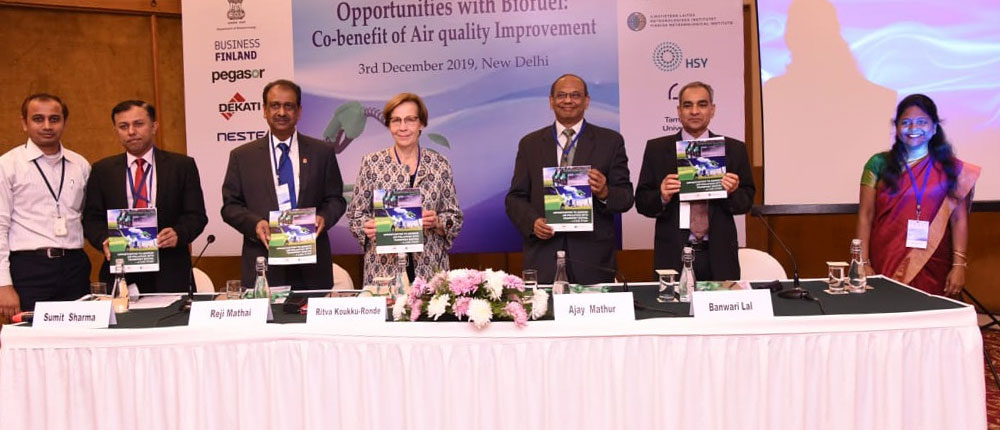
The position paper 'Opportunities with Biofuel: Co-benefit of Air Quality Improvement' is based on a study by a consortium of Indian and Finnish research institutes. The study measured the tail-pipe emissions from in use heavy duty vehicles under specific driving cycle using different quality of petroleum diesel, biodiesel, and renewable diesel blends.
The findings of the study suggest that the hydrodecarboxylation process of vegetable oil, used cooking oil, etc. can produce a better quality of biofuel from the tail-pipe emission perspective than the esterification/transesterification process of the above feedstocks to produce FAME biodiesel.
It also makes the following recommendations:
See full study here.