
Headquarters
The Energy and Resources Institute (TERI)
Darbari Seth Block, Core 6C,
India Habitat Centre, Lodhi Road,
New Delhi - 110 003, India
The TERI–India Habitat Centre (IHC) Monthly Lecture and Discussion Series is a premier collaborative initiative designed to foster structured, interdisciplinary public dialogues on critical contemporary issues. While the IHC is traditionally renowned for its vibrant art, theatre, and cultural programming, this lecture series enriches its intellectual portfolio by embedding core themes of sustainability, environment, technology, and society into its regular offerings.
By leveraging the research excellence of TERI alongside the IHC’s status as a premier public platform, the series bridges the gap between scientific inquiry, policy framing, and citizen engagement. Strategically anchored around national and international observance days, the year-long framework provides a predictable, inclusive, and cost-effective platform for knowledge dissemination. Each one-hour interactive evening session pairs a leading subject expert with a panel of distinguished practitioners. This design ensures that complex challenges, ranging from climate geopolitics to decentralized energy transitions, are translated into actionable, real-world perspectives. Ultimately, the series strengthens institutional thought leadership while empowering a diverse audience of policymakers, academics, students, and citizens to network, collaborate, and advocate for a sustainable future.
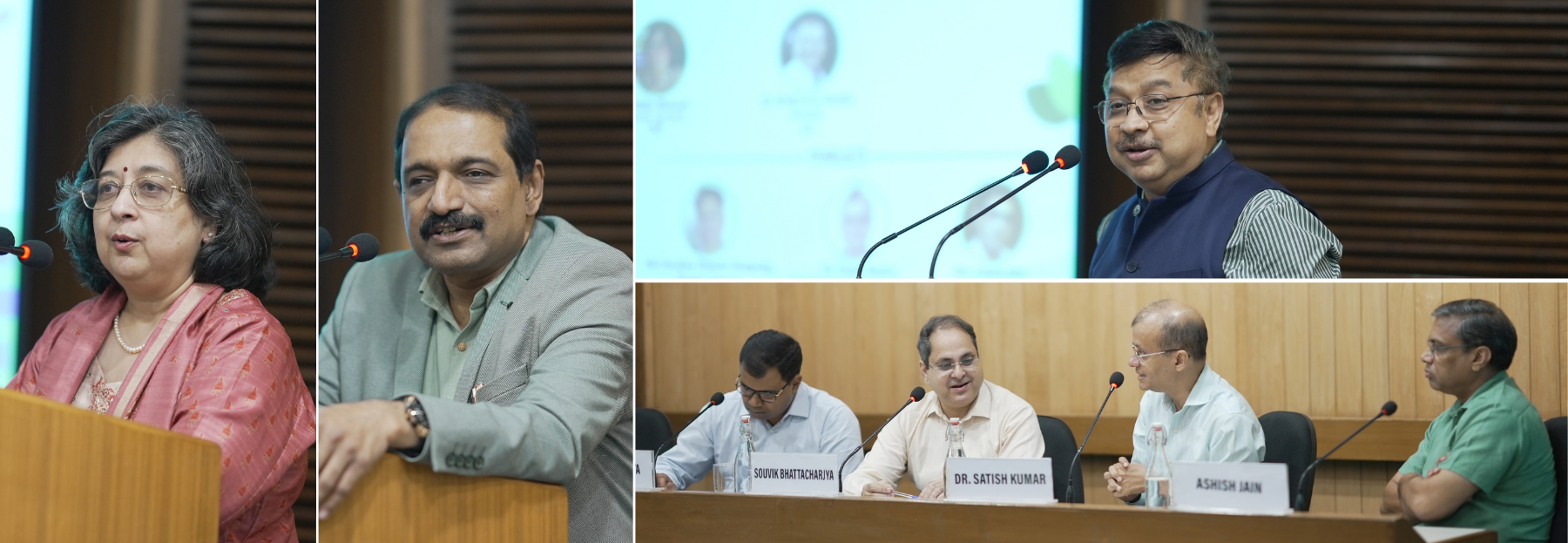
Welcoming the gathering, Dr Dipankar Saharia, Executive Director, TERI, emphasized that technology and regulation address only part of the climate challenge, noting that individual behavior and everyday choices remain foundational to Mission LiFE. Delivering the Special Address on the eve of Gandhi Jayanti, Prof (Dr) KG Suresh, Director, IHC, invoked Gandhian ideals of simplicity and restraint, citing the citizen-driven transformations of Indore and Bhopal to underline the power of robust Information, Education, and Communication (IEC) initiatives. Setting the analytical stage, Dr Ritu Mathur, Director, TERI, observed that while India’s per capita energy use is currently a third of the global average, anticipated demand growth must be tempered through conscious lifestyle measures such as public transit, carpooling, and mindful consumption.
The ensuing panel discussion, moderated by Mr Souvik Bhattacharjya, Director, TERI, turned to the mechanisms needed to make sustainable behavior widespread. Shri Arijit Sengupta, Secretary, Bureau of Energy Efficiency (BEE), stressed the necessity of moving beyond simple awareness toward institutionalization, using policy frameworks to ensure energy efficiency becomes the default choice. Shri Ashish Jain, Founder and Director, IPCA, pointed out that national per capita averages conceal acute rural-urban divides, urging targeted behavioral interventions to curb high resource consumption in rapidly expanding cities. Aligning with this view, Dr Satish Kumar, President and Executive Director, AEEE, asserted that the way energy is consumed is just as critical as how it is generated, urging affluent communities toward moderation alongside structural efficiency measures.
Closing the session and floor discussion, Mr Souvik Bhattacharjya called for systemic efficiency and enhanced coordination across ministries and institutions to ensure India's net zero journey remains integrated, collaborative, and actionable.
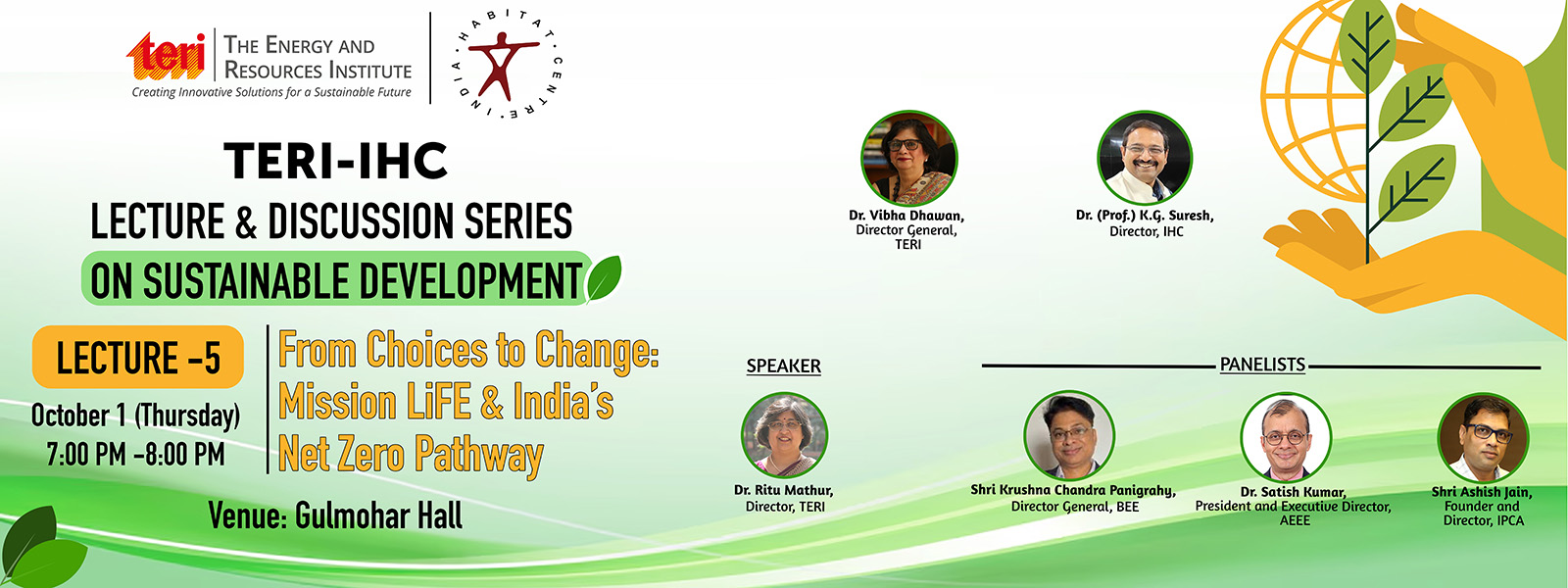
Background India’s journey towards a sustainable path is encapsulated in its ambitious goal to cut its carbon emissions to net zero by 2070. This requires deep changes across how energy is produced, consumed and used across the economy. The transition pathway, therefore, extends beyond a shift in energy technologies. It requires changes in infrastructure, markets, production and consumption patterns, alongside greater efficiency and responsible use of resources. Within this broader transformation, Mission LiFE (Lifestyle for Environment) offers an important demand-side approach to shaping how energy and resources are consumed. By encouraging mindful consumption, resource efficiency and environmentally responsible choices, LiFE actions can help moderate energy demand and complement the technological and policy measures driving decarbonisation. But an important question remains- Can individual and community-level choices, when adopted at scale, become a meaningful driver of India’s energy transition rather than simply an outcome of it? And how could such actions contribute to sustainability in India’s future energy and electricity demand? This session will focus on various demand side measures and behavioural changes which can bring about greater sustainability as we seek to enhance our per capita energy and electricity consumption. Individual actions can play a larger role in transport and residential energy use where small behavioural changes could bring significant gains. Building on these insights, the panel will explore how these individual actions, when adopted at scale, can contribute to greater energy efficiency and influence broader patterns of energy demand. The discussion will ultimately ask: How can everyday choices translate into system-wide change, and can lifestyle transformation become a powerful driver of India’s journey towards net zero?
Convening key institutional voices, industry leaders, and policy experts, the latest edition of the TERI-IHC Lecture Series, titled “Beyond Tailpipe — Electric Mobility at the Intersection of Air Quality and Energy Security,” took place on September 21, 2026, at Gulmohar Hall, India Habitat Centre. The session opened with a compelling systemic challenge: whether swapping internal combustion engines for electric alternatives overnight would genuinely resolve our mobility and environmental crises. Setting the organizational and macroeconomic context, Dr Vibha Dhawan, Director General, TERI, highlighted that with road transport accounting for nearly 90% of transport emissions and national crude import dependency remaining acutely high, sustainable mobility must simultaneously target ambient air quality and strategic energy resilience amid relentless urban expansion. Expanding on the operational landscape, Dr Amit Kumar Jain, Director, DMRC, demonstrated why direct one-to-one vehicle replacement falls short, arguing instead for integrated, multi-modal networks where electric first- and last-mile modes seamlessly link commuters to mass transit rail systems.Demonstrating institutional commitment on campus, Mr Amar Nath, Assistant Director, IHC, outlined ongoing infrastructure upgrades aligning with the Viksit Bharat 2047 roadmap, including the progressive expansion of workplace and open-surface charging facilities from official fleets to daily staff and visitors.
Moderating and contextualizing the panel discussion, Mr Sharif Qamar, Associate Director, TERI, steered deliberations toward the hard logistical realities of this transition. Insights from Ms Anumita Roychowdhury underlined the non-negotiable imperative of eliminating tailpipe exhausts to protect public health, while Mr Amit Bhatt from ICCT presented critical research on the discrepancy between laboratory metrics and real-world emissions, focusing attention on high-polluting commercial segments. Industry perspectives from Mr Anirudh and Mr Naveen of TrEV Mobility brought practical constraints to the fore, discussing battery depletion during peak fleet operating windows, route optimization, and current infrastructure bottlenecks that limit operator confidence on long-distance corridors like the Delhi–Mumbai Expressway. The dialogue reaffirmed TERI’s institutional position that achieving meaningful decarbonization requires far more than battery adoption—it demands cohesive planning across grid readiness, charging density, public transit integration, and commercial fleet policy.
As India advances its clean energy transition while striving to strengthen agricultural
productivity and rural livelihoods, innovative approaches that address both energy and food security are becoming increasingly important. Agri-Photovoltaics (AgriPV), the dual use of land for both solar power generation and agricultural production, has emerged as a promising solution that can help optimize land resources, enhance farm incomes, improve energy access, and contribute to climate resilience.
AgriPV systems offer significant opportunities for creating synergies between the food and energy sectors. By integrating solar infrastructure with agricultural activities, these systems can reduce land-use conflicts, support sustainable farming practices, and provide farmers with diversified and stable sources of income. In a country where both food and energy demand continue to grow, Agrivoltaics presents a pathway toward achieving multiple sustainable development objectives simultaneously.
At the same time, the widespread adoption of AgriPV raises important questions. What are
the technological, economic, and policy considerations for scaling AgriPV in India? How can AgriPV contribute to farmer welfare, rural development, and energy security? What lessons can be drawn from global experiences, and what role can governments, industry, research institutions, and farmers play in accelerating its deployment?
Through this lecture and discussion, participants will gain practical insights into the role of Agrivoltaics in strengthening the food-energy nexus and advancing India's sustainability ambitions.
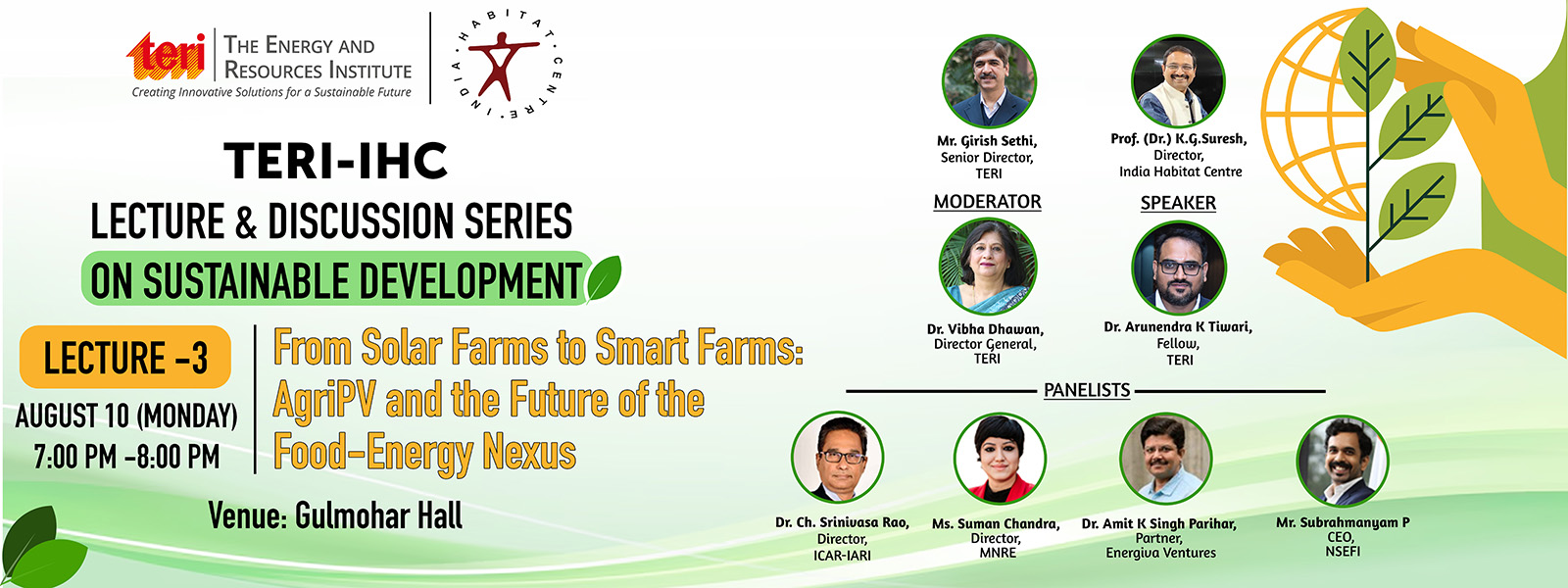
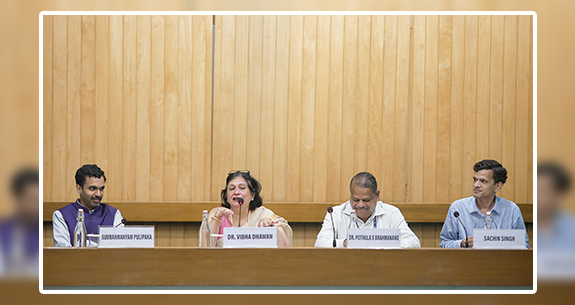
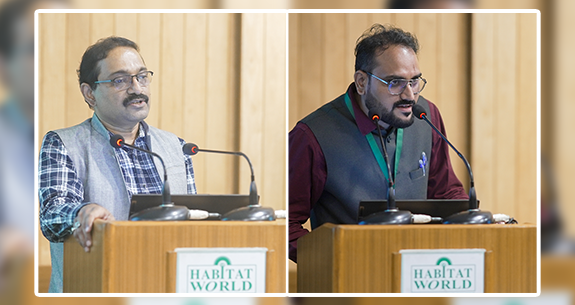
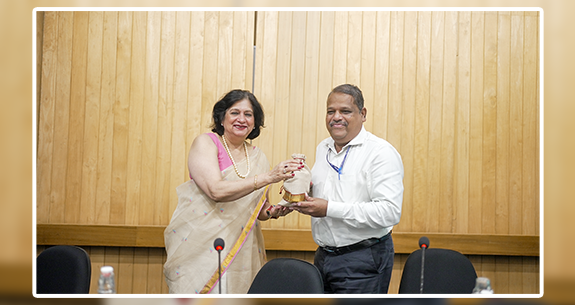
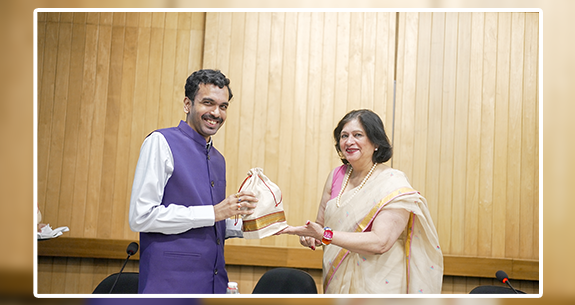
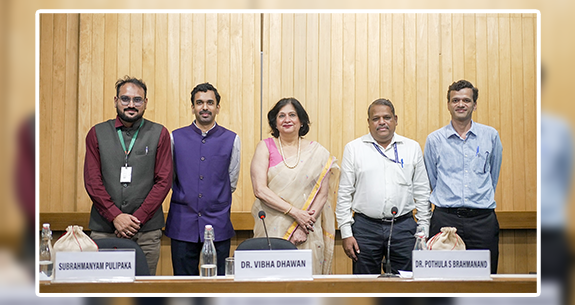
On Monday, 10th August 2026, TERI and IHC gathered policy leaders, researchers, and industry pioneers for the third edition of the TERI-IHC Lecture and Discussion Series, tackling one of the country's most vital crossroads: “From Solar Farms to Smart Farms: AgriPV and the Future of Food-Energy.”
The core idea is simple yet transformative: what if a single field could produce both crops and clean power simultaneously?
Opening the session, Dr. Prof KG Suresh, Director of IHC, framed the initiative not just as a technology play, but as a lifeline for rural India. He noted that Agri-PV acts as a powerful dual-use model, generating solar power while preserving or boosting crop output, ultimately boosting climate resilience and farmer incomes on the exact same plot of land.
Dr Arunendra Tiwari, Fellow at TERI, pushed the audience to rethink rural land value altogether. He posed a fundamental question to the room: “How much value can that single piece of land deliver for food, water, energy, and the farmers who work it?”
Moderating the discussion, Dr Vibha Dhawan, Director General, TERI, pointed to decentralized energy as the engine of rural self-reliance. She emphasized that true village sustainability relies on communities producing their own power, making renewable integration a necessity rather than an option.
From the policy and agricultural perspective, Dr Pathula S Brahmanand, Project Director, ICAR-IARI, underlined that Agri-PV offers a direct path to supplementing agricultural incomes while steering India toward its net-zero goals. Expanding the vision further, Mr Subrahmanyam P, CEO of NSEFI, reminded attendees that farming extends beyond crops, highlighting how Agri-PV can slash operational energy costs for poultry, cattle, and aquaculture alike.
The transition, however, requires clearing real-world operational hurdles. Mr Sachin Singh, Associate Director at TERI, candidly highlighted the main roadblocks currently facing Agri-PV in India: land availability constraints, discom tariff feasibility, the need for standardized technical designs, and clear mechanisms to evaluate long-term financial viability.
Broadening the potential applications beyond traditional crops, Mr Subrahmanyam P, CEO, NSEFI, highlighted that agriculture is not just crops, poultry, cattle, and aquaculture are all part of it, and Agri-PV can be a game changer in lowering energy costs and improving productivity across all these sectors.
Following a dynamic Q&A session with the audience, one takeaway stood out: scaling Agri-PV will require active, ongoing alignment between policy, research, and i
ndustry. By working across these sectors, we can build a resilient, dual-purpose ecosystem that powers, and feeds the nation.
Event Photographs
Event Video
India's energy transition is entering a new phase. While large-scale energy infrastructure has long been central to economic growth and energy security, decentralised renewable energy (DRE) solutions are increasingly transforming how energy is produced, accessed, and used across the country. From rooftop solar systems and solar-powered livelihoods to mini-grids and community-based energy solutions, decentralised energy is expanding access, enhancing resilience, and creating new opportunities for local development.
Beyond improving energy access, DRE is supporting rural livelihoods, strengthening climate resilience, reducing dependence on conventional energy sources, and enabling greater energy self-reliance for communities. As India pursues its clean energy and development goals, decentralised energy is emerging as a key enabler of inclusive and sustainable growth, particularly in underserved and remote regions.
At the same time, the rise of decentralised energy raises important questions. How can DRE contribute to India's energy security and resilience? What role can it play in supporting livelihoods, local economies, and climate action? How can government, industry, and communities work together to scale these solutions effectively?
This panel discussion will bring together experts from policy, industry, sustainable development, and national security to explore how decentralised energy is reshaping India's development pathway and influencing the future of energy systems in an increasingly interconnected world.
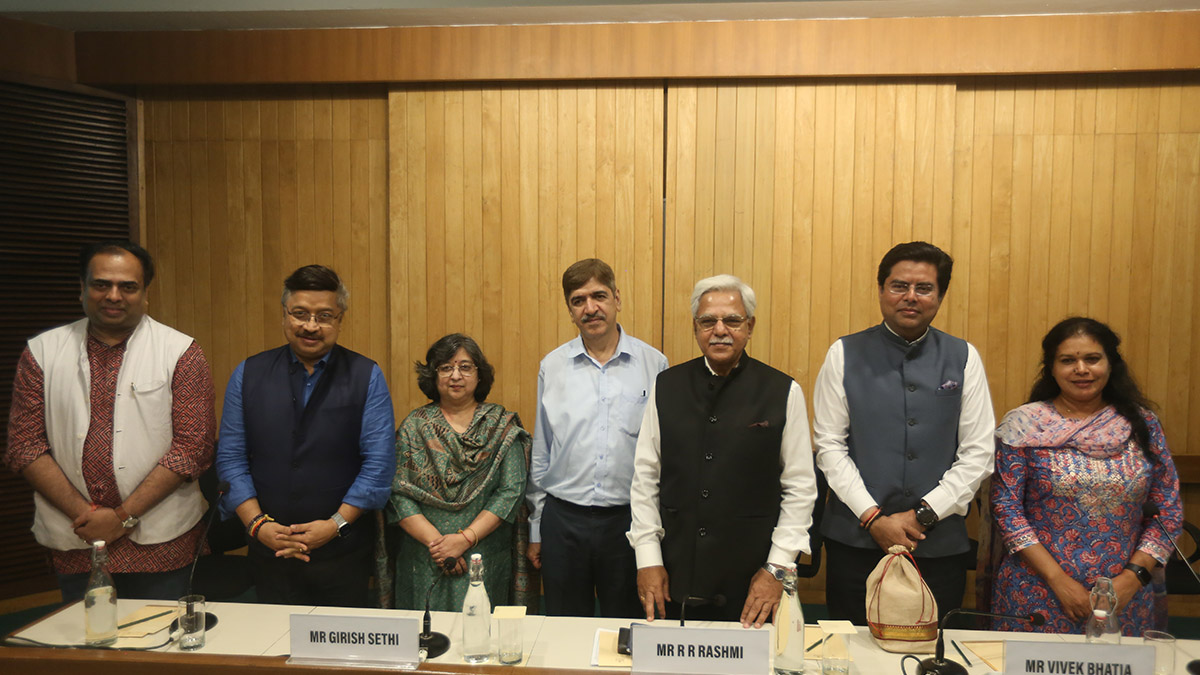
New Delhi, July 11, 2026: The second edition of the TERI–IHC lecture series, titled ‘Beyond Borders: How Decentralised Energy is Redrawing the World Map’, addressed how Distributed Renewable Energy (DRE) is shifting power dynamics from central utilities to grassroots communities. Amid escalating geopolitical conflicts, such as West Asia supply shocks that disrupted 20 percent of global oil supplies and pushed Indian inflation to 3.93 percent in May 2026, the forum underscored that localized generation is no longer just a climate target, but an absolute economic necessity.
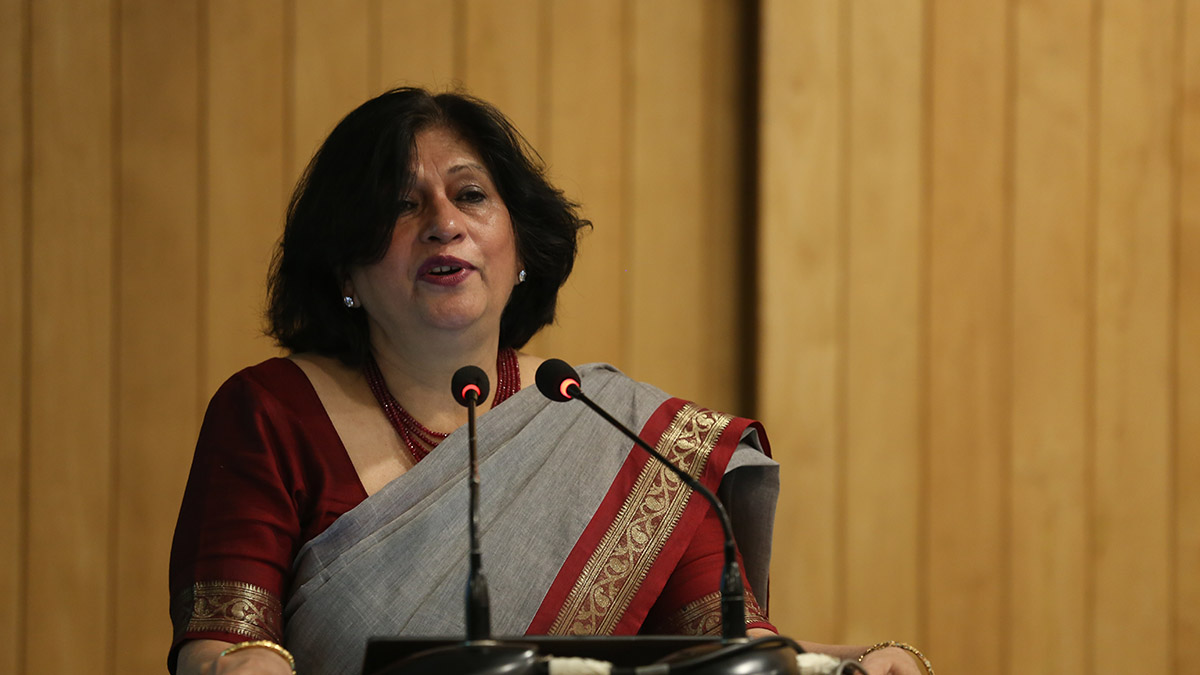
Dr Vibha Dhawan, Director General, TERI, highlighted the urgent need for an equitable energy pivot. “Even before recent crises, we recognized that India faces energy insecurity. The transition must not only lead to clean energy but to affordable energy through a just transition where no one is left behind. If our villages become truly energy secure, the speed at which they can develop will be unprecedented,” she stated.
Reinforcing this vision, Professor Dr K G. Suresh, Director, IHC, noted that DRE represents a fundamental shift moving from centralized control to the empowerment of the grassroots, serving as a critical pillar for economic resilience and energy security.
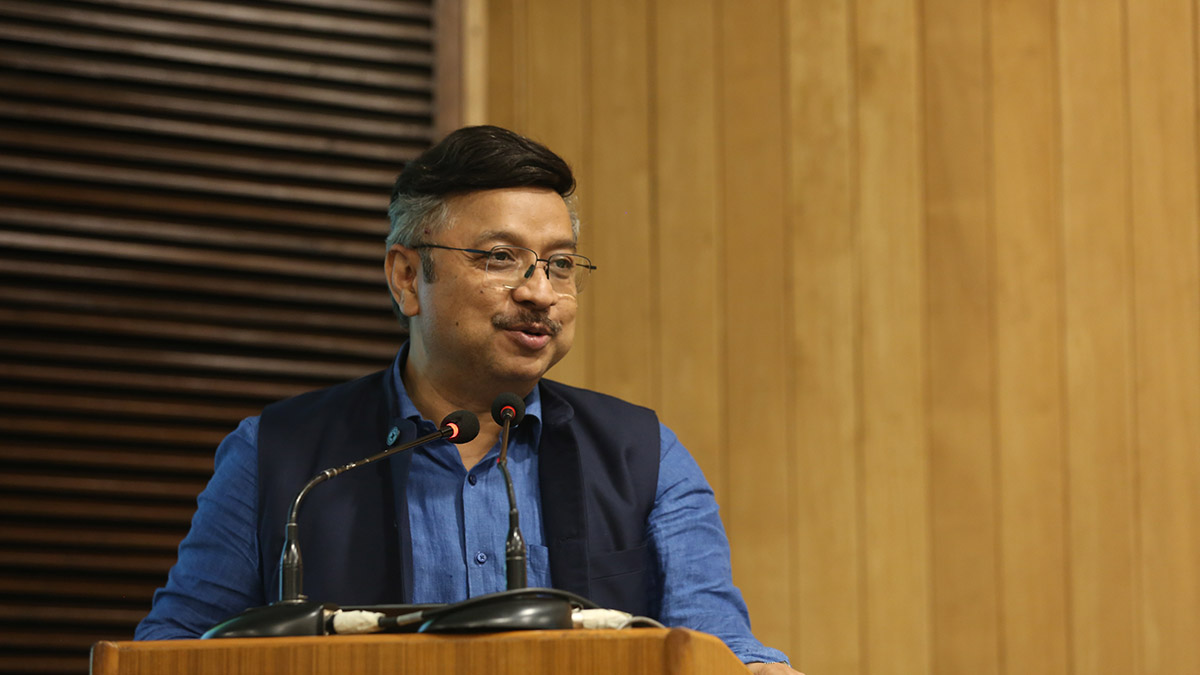
Following introductory remarks, Dr Amit Kumar Thakur, Associate Director at TERI, delivered a context-setting presentation mapping out the rapidly evolving global renewable energy landscape and its macroeconomic ripples on the Indian context.
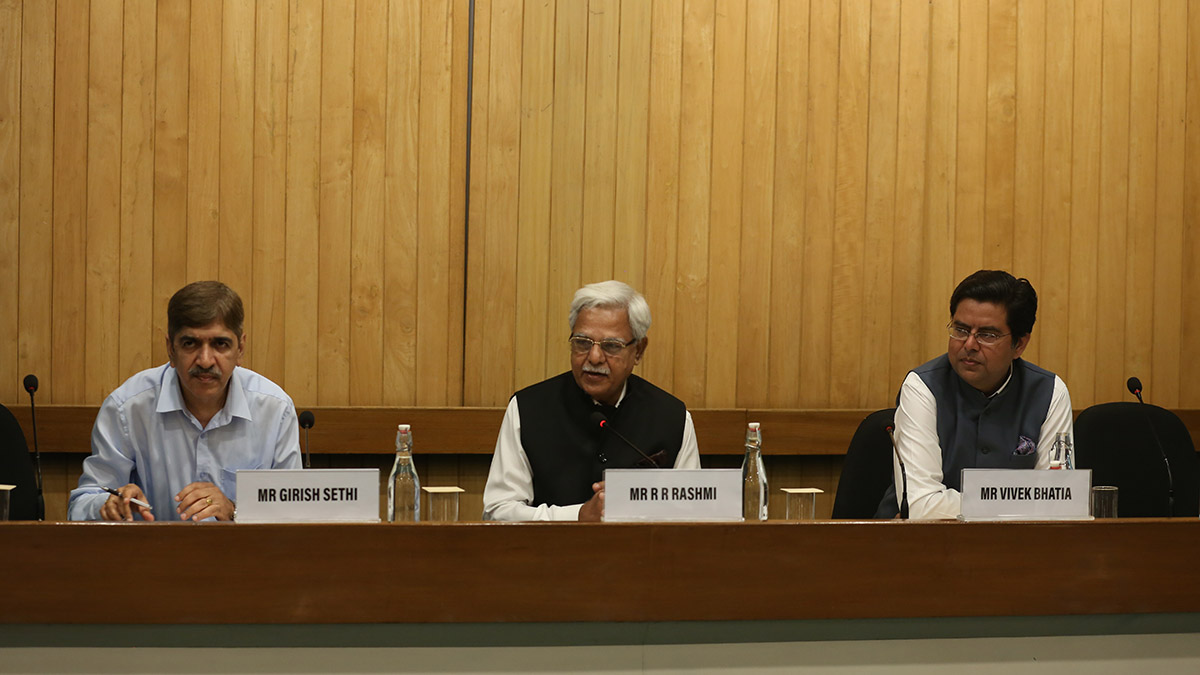
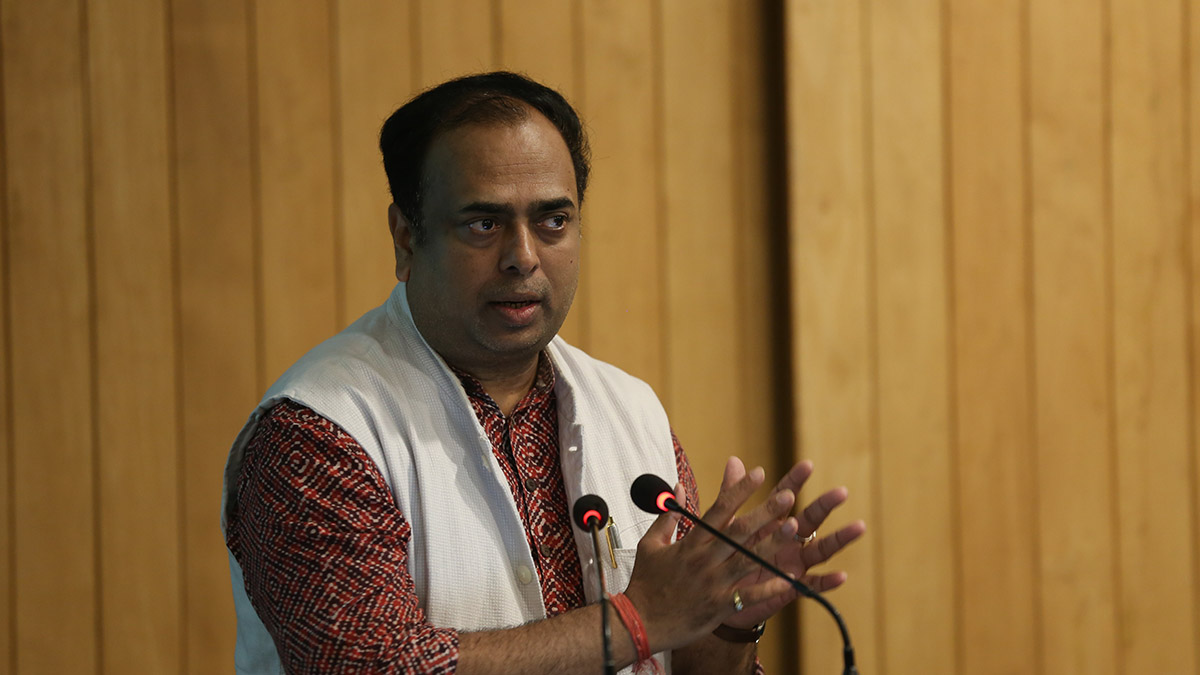
The session then transitioned into a dynamic panel discussion moderated by Mr RR Rashmi, Distinguished Fellow, TERI, which featured Mr Vivek Bhatia, MD & CEO of TKIL Industries, and Mr Girish Sethi, Senior Director, TERI. The discussion examined the core hurdles and opportunities in scaling clean energy solutions. While India holds a massive global renewable footprint of 283.46 GW, its current DRE capacity stands at 16.3 GW. To bridge this gap, the panel debated targeted strategies to:
Closing the event with a Vote of Thanks, Dr Dipankar Saharia, Senior Director, TERI, emphasized that decentralized energy is no longer just about basic electricity access, but about creating sustainable livelihoods, strengthening rural economies, and empowering global entrepreneurship.
Event Photographs
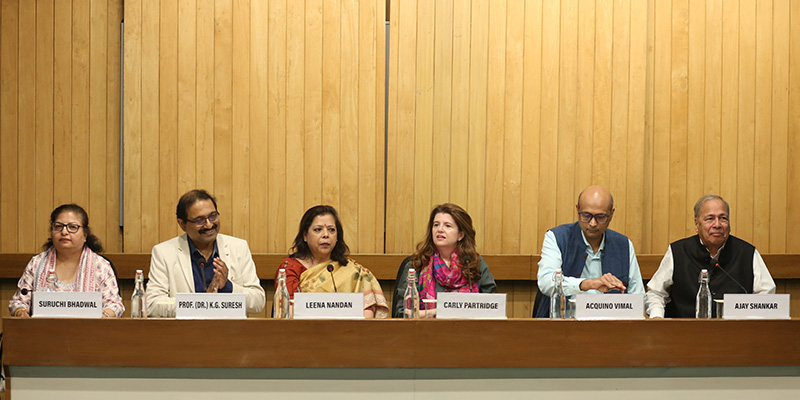
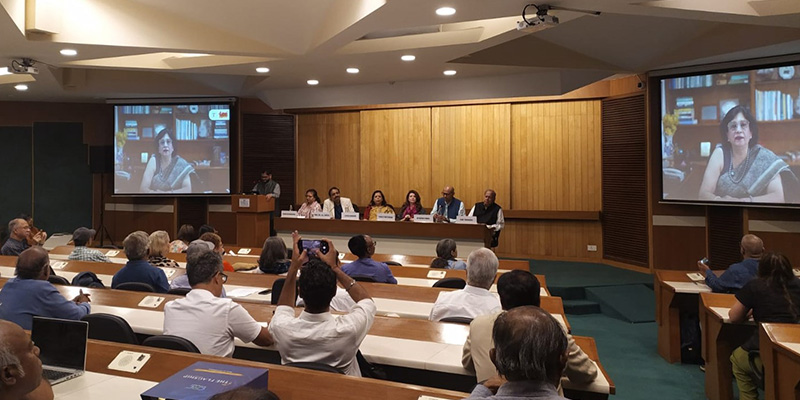
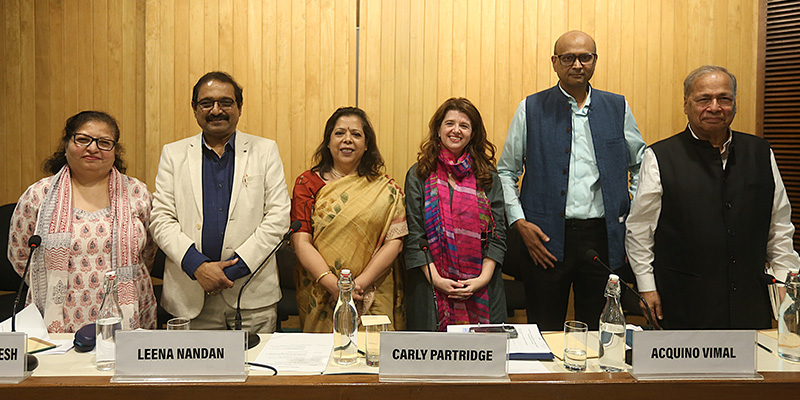
Marking World Environment Day 2026, the series officially launched on June 8, 2026, at IHC's Gulmohar Hall with its inaugural session, "The Climate Conundrum: Global Geopolitics and Missed Opportunities." The event commenced with a video message from Dr Vibha Dhawan (DG, TERI) and opening remarks from Prof (Dr) KG Suresh (Director, IHC), both emphasising the urgency of inclusive public dialogue. Ms Suruchi Bhadwal, Senior Director, TERI set the context by highlighting rising global temperatures and critical gaps in climate ambition.
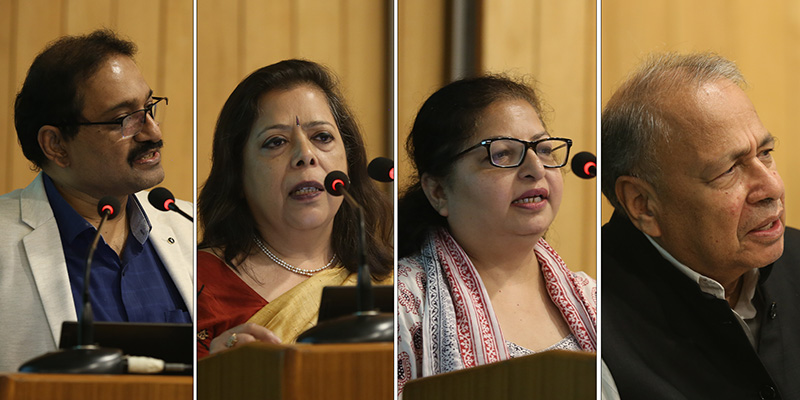
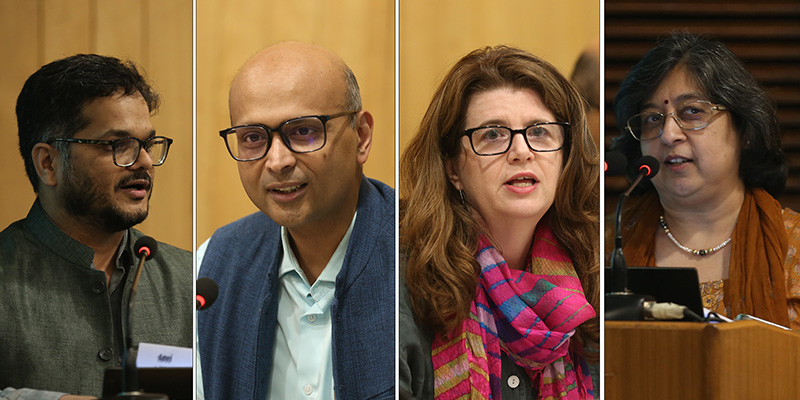
Moderated by Ms Leena Nandan, Distinguished Fellow TERI, a high-level panel examined the friction between international negotiations and domestic realities. Ms Carly Partridge, Minister Counsellor at the Australian High Commission, emphasised trust and climate finance, while Dr Acquino Vimal, Joint Secretary, Ministry of External Affairs, noted the slow pace of global accords.
Mr Ajay Shankar, Distinguished Fellow, TERI spotlighted India's renewable energy successes, calling for stronger political leadership. The session concluded with a vibrant Q&A session with the audience, successfully initiating this monthly sustainability platform.
Event Photographs
Event Video