
Headquarters
The Energy and Resources Institute (TERI)
Darbari Seth Block, Core 6C,
India Habitat Centre, Lodhi Road,
New Delhi - 110 003, India
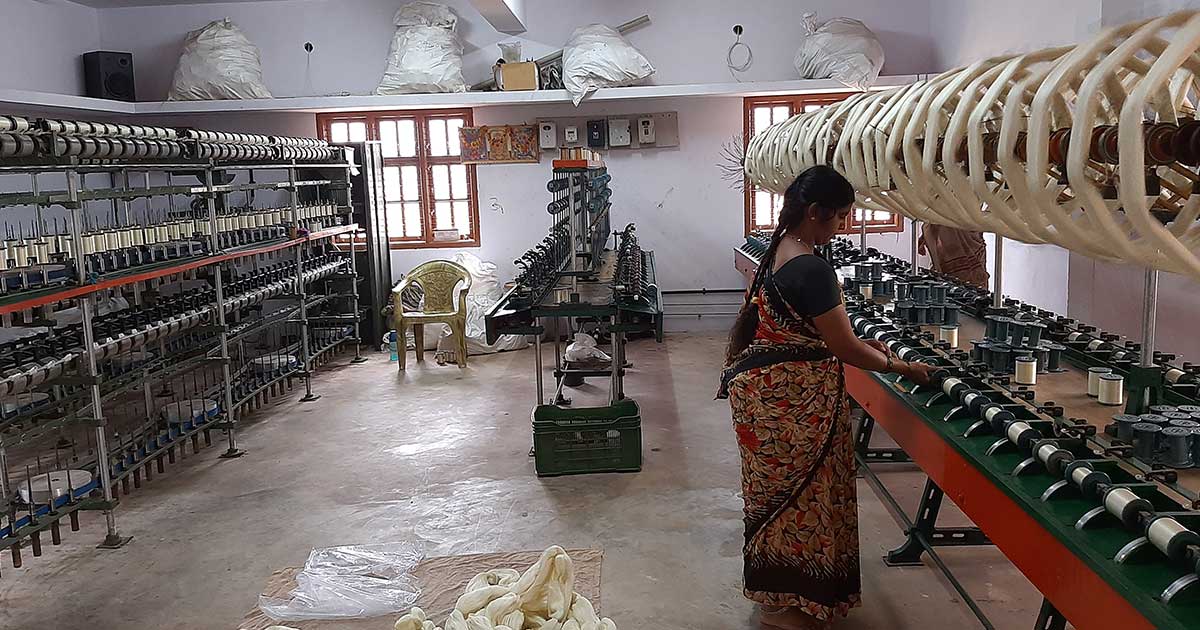
The project aims to study the opportunities for solar energy based electricity in MSMEs in rural India
The study finds that the groundwater exploitation in Lucknow is 17 times more than the rate of recharge and projects a decline in the water table in various areas of the city
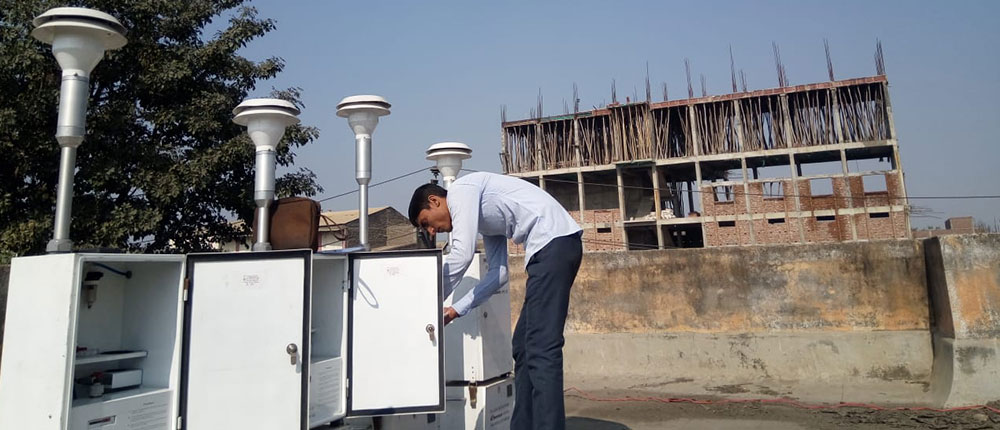
As part of India's efforts to curb air pollution, the project provides technical assistance to MoEF&CC on the National Clean Air Action Programme.
As a part of its efforts to decarbonize the power sector, India has an ambitious plan for achieving 175GW of installed capacity from renewable energy sources, comprising 100GW of solar including 40GW of rooftop solar PV. In order to ensure safe and secure operation of the distribution network, it is necessary to critically assess the likely impact of solar rooftop penetration whose output is variable in nature. The nature and complexity of technical and operational issues would vary depending upon the relative magnitude, local utilization & grid characteristics.
The project aimed to enhance availability of credible, concise and comparable information as a basis for stakeholder engagement, policy change and higher ambition in G20.
All information produced under the project will be published and made available through the website www.climate-transparency.org
Water is a prerequisite for all the development activities and its conservation and efficient management needs to take center stage for sustainable development. India faces major challenges with declining per capita water availability and stands stressed with rising water demand mainly from the already competing agriculture, domestic and industrial sectors. In order to respond to these growing challenges, it is imperative that water conservation interventions should be mandated as an integral part of water use and management in India.
Straws, found with portion beverage carton packs, are the last mode of carrying hygienic beverages /drinks to our body. Though there are numerous benefits of having a straw with the beverage pack, yet the mismanagement of plastic waste collection had posed subsequent impacts, through micro and nanoplastics, on our environment.
CASCO will especially focus on long-lasting cooperation in the field of climate change adaptation by creating a community of European and Indian researchers and innovators. CASCO consists of a total of 5 European and 4 Indian core partners, with a wide range of network partners. The consortium is strongly rooted in earlier cooperation on climate change and water issues in India.