Headquarters
The Energy and Resources Institute (TERI)
Darbari Seth Block, Core 6C,
India Habitat Centre, Lodhi Road,
New Delhi - 110 003, India
The Energy and Resources Institute (TERI), in collaboration with the Asian Development Bank (ADB), is implementing a technical assistance project to advance green certification for self-constructed affordable housing in India. The initiative focuses on households in the Economically Weaker Sections (EWS) and Low-Income Group (LIG) segments, where a significant proportion of housing is developed through incremental, owner-driven construction.
Self-constructed housing represents a large yet under-recognized segment of India’s housing ecosystem, particularly across urban, peri-urban and small-town contexts. These homes are typically built over time, shaped by household financial capacity, local construction practices and evolving family needs. Despite their scale, they often fall outside the scope of formal green building certification systems, even though they offer substantial opportunities to improve thermal comfort, resource efficiency, climate resilience and overall occupant well-being.
At the same time, India’s housing sector is increasingly being viewed through the lens of climate action and sustainable development. Affordable housing must not only expand access to shelter but also address long-term challenges such as indoor heat stress, rising energy consumption, poor ventilation, water inefficiency and the use of low-quality materials. While the environmental impact of a single home may appear modest, the cumulative impact across millions of such homes presents a significant opportunity for large-scale climate benefits.
In this context, the project aims to mainstream green certification across at least 900 self-constructed homes by developing a practical, accessible and scalable framework tailored to the realities of the sector. The approach combines baseline assessments, customized green upgrade plans and certification facilitation through recognized systems such as GRIHA, IGBC, EDGE and GEM. The framework evaluates key parameters including energy performance, water use, thermal comfort, ventilation, carbon emissions and the Global Warming Potential (GWP) of construction materials.
A key focus of the initiative is to ensure that recommended solutions remain affordable, context-specific and aligned with incremental construction practices. The project also includes on-ground technical support, stakeholder coordination and the development of a centralized monitoring system to track implementation progress and certification outcomes. By doing so, it aims to create a replicable and scalable model that can be integrated into housing finance mechanisms and policy frameworks, enabling a broader transition toward sustainable affordable housing.
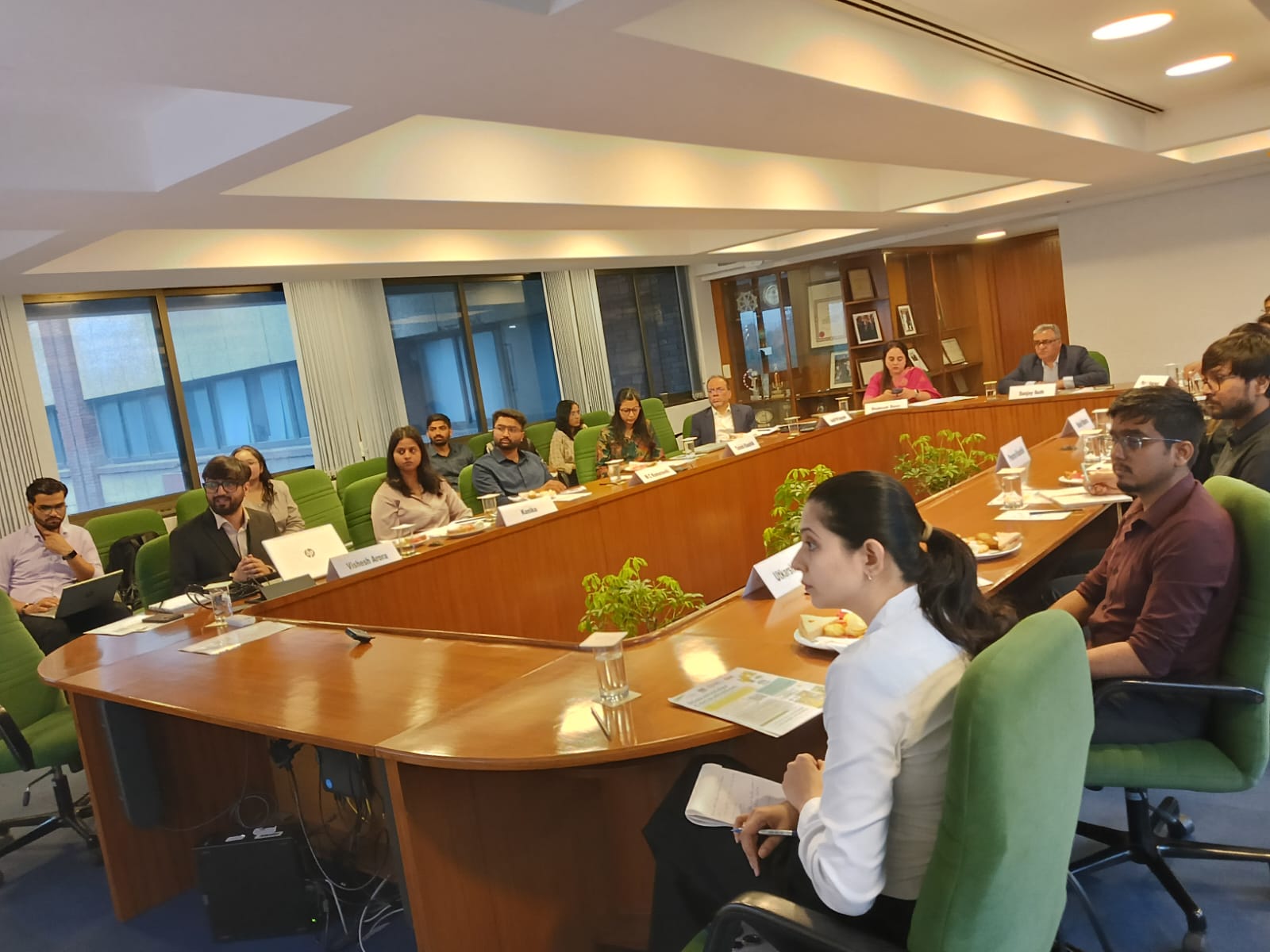
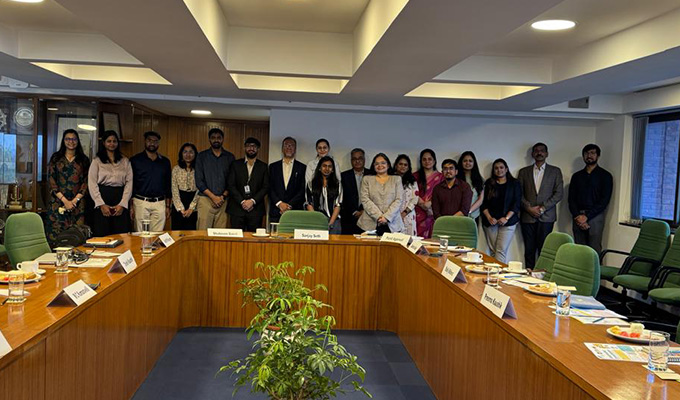
As part of the project activities, TERI convened a stakeholder consultation on 23 March 2026, bringing together representatives from ADB, housing finance companies, green building rating agencies and sector experts.
The consultation served as a platform to discuss the project methodology, eligibility criteria and practical pathways for implementing green certification in the self-construction segment. Key discussions emphasized the need for affordable and easy-to-adopt green measures, strengthening institutional collaboration and enabling measurable performance improvements across energy, water, carbon and material efficiency parameters.
The engagement also highlighted the importance of partnerships between financial institutions, technical agencies and policymakers to scale green affordable housing solutions.