Headquarters
The Energy and Resources Institute (TERI)
Darbari Seth Block, Core 6C,
India Habitat Centre, Lodhi Road,
New Delhi - 110 003, India
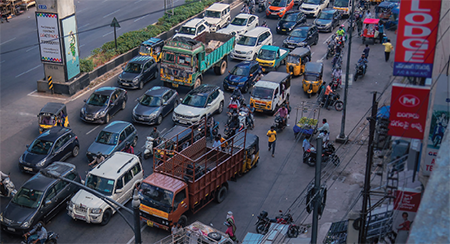
Transport is central to India’s economic development, supporting mobility, trade, employment, and access to opportunities. At the same time, rising passenger and freight demand, increasing vehicle ownership, and continued dependence on fossil fuels are contributing to growing transport-sector energy consumption and greenhouse gas (GHG) emissions.
As India advances its climate commitments under the Paris Agreement, understanding the role of transport in delivering national climate targets is increasingly important. This project examines how transport can be better integrated into India’s climate action and reporting architecture, while identifying pathways for reducing the sector’s emissions without compromising development and mobility priorities.
The study provides a comprehensive assessment of the role of transport in Nationally Determined Contributions (NDCs), drawing on evidence from India and other countries. It reviews the extent to which transport-specific targets are incorporated into NDCs globally, examines India's transport-related climate commitments and reporting under the United Nations Framework Convention on Climate Change (UNFCCC), and identifies opportunities to strengthen the sector's contribution to national climate goals.
For India, the project assesses the coverage of transport across national climate submissions, including National Communications, Biennial Update Reports, NDCs and the Long-Term Low Emissions Development Strategy. The project also examines the role of transport within India's national and sub-national climate architecture, including the National Action Plan on Climate Change (NAPCC) and State Action Plans on Climate Change (SAPCCs). It explores how stronger institutional coordination and systematic data collection at the state level can support the monitoring and reporting of transport-sector mitigation outcomes.
Key Areas of Work
The project focuses on:
Perspectives
Article on “COP 30 exposes fault lines - and India’s climate priorities”
Article on “From road to rail: Unpacking India’s transport strategy to meet national climate commitment”
Article on “Beyond Targets: Rethinking Sectoral Pathways in India’s Climate Strategy”
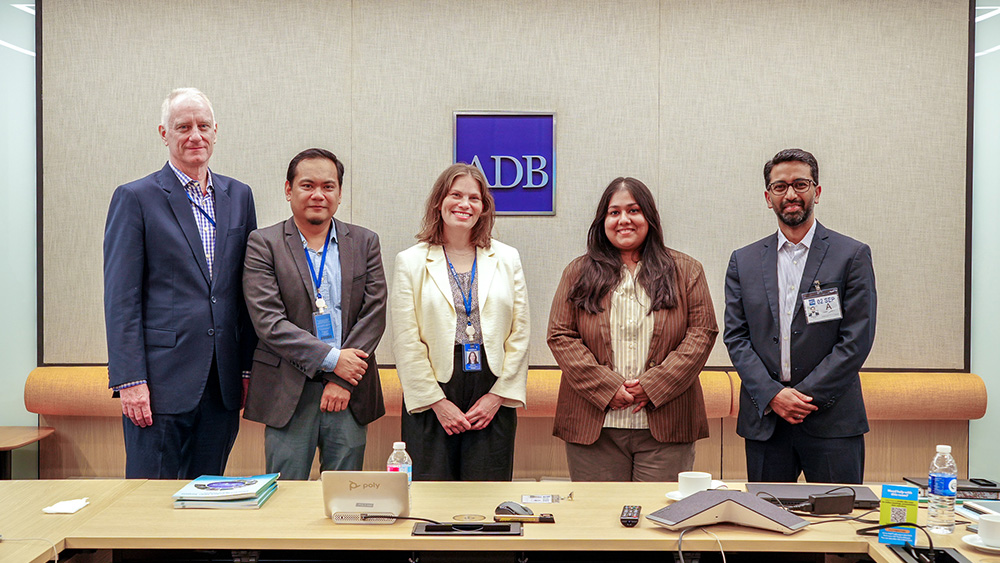
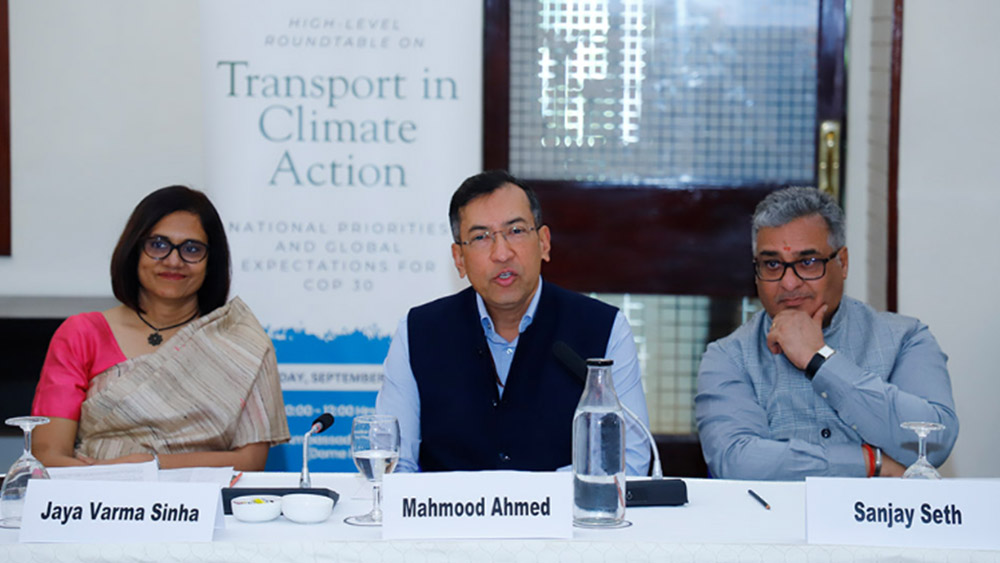
TERI organized a high-level roundtable on “Transport in Climate Action: National Priorities and Global Expectations for COP30”, focusing on finance, technology, and the principle of Common but Differentiated Responsibilities (CBDR) to shape sustainable mobility strategies for India and other developing nations.

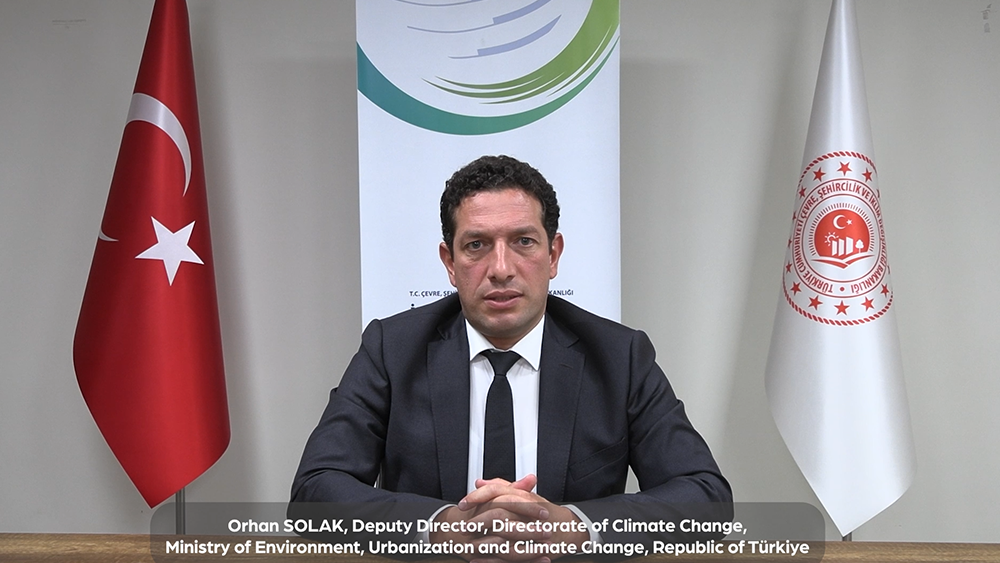
International Perspectives from Country Representatives and COP30 Leadership: Representatives from Türkiye, Norway, Sweden, and Kiribati, along with Mr Dan Ioschpe, COP30 Climate Champion, shared perspectives on transport and climate action.



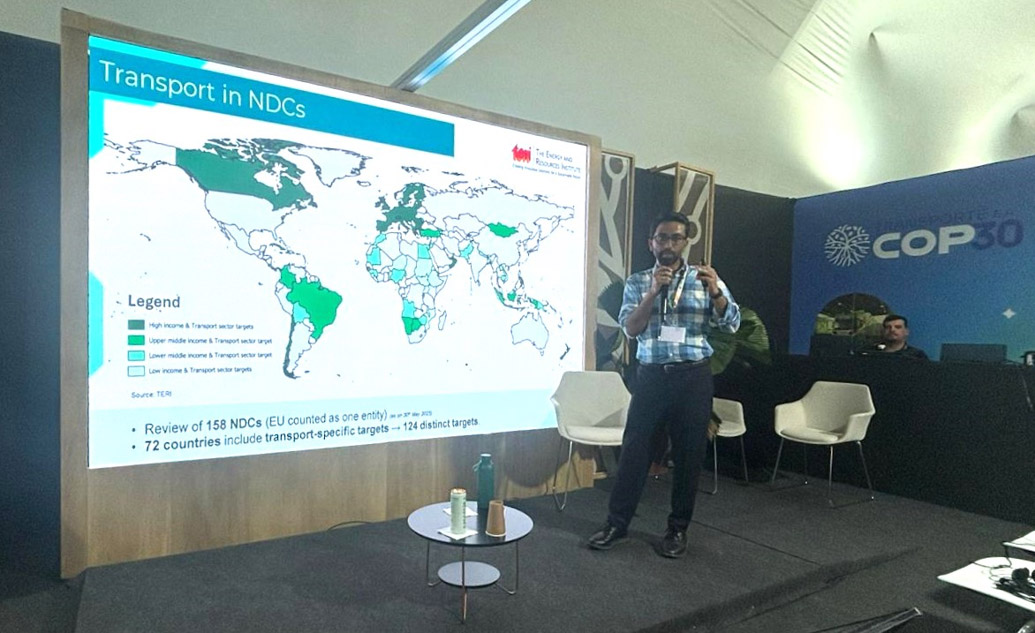
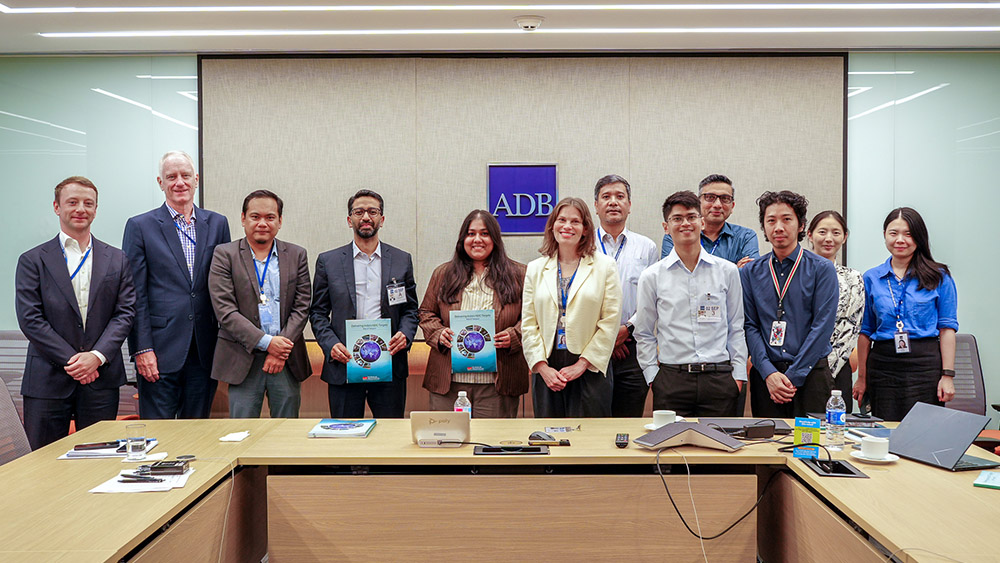
TERI presented analysis of transport in Nationally Determined Contributions (NDCs) at the SLOCAT Pavilion during COP30