Headquarters
The Energy and Resources Institute (TERI)
Darbari Seth Block, Core 6C,
India Habitat Centre, Lodhi Road,
New Delhi - 110 003, India
Jointly organised by:
Department of Scientific and Industrial Research (DSIR), Ministry of Science & Technology, Government of India, and Asian and Pacific Centre for Transfer of Technology (APCTT), United Nations Economic and Social Commission for Asia and the Pacific (UN ESCAP)
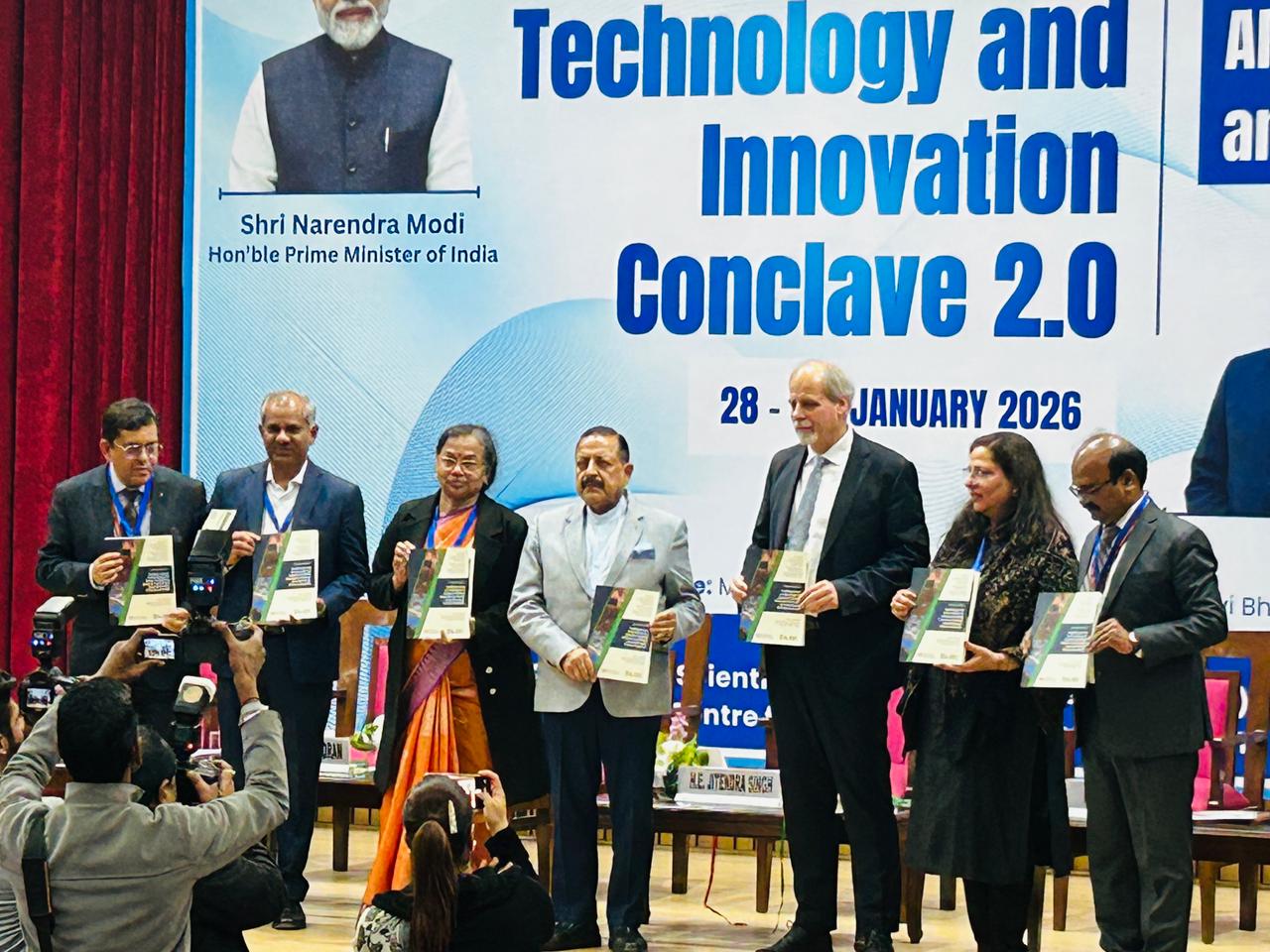
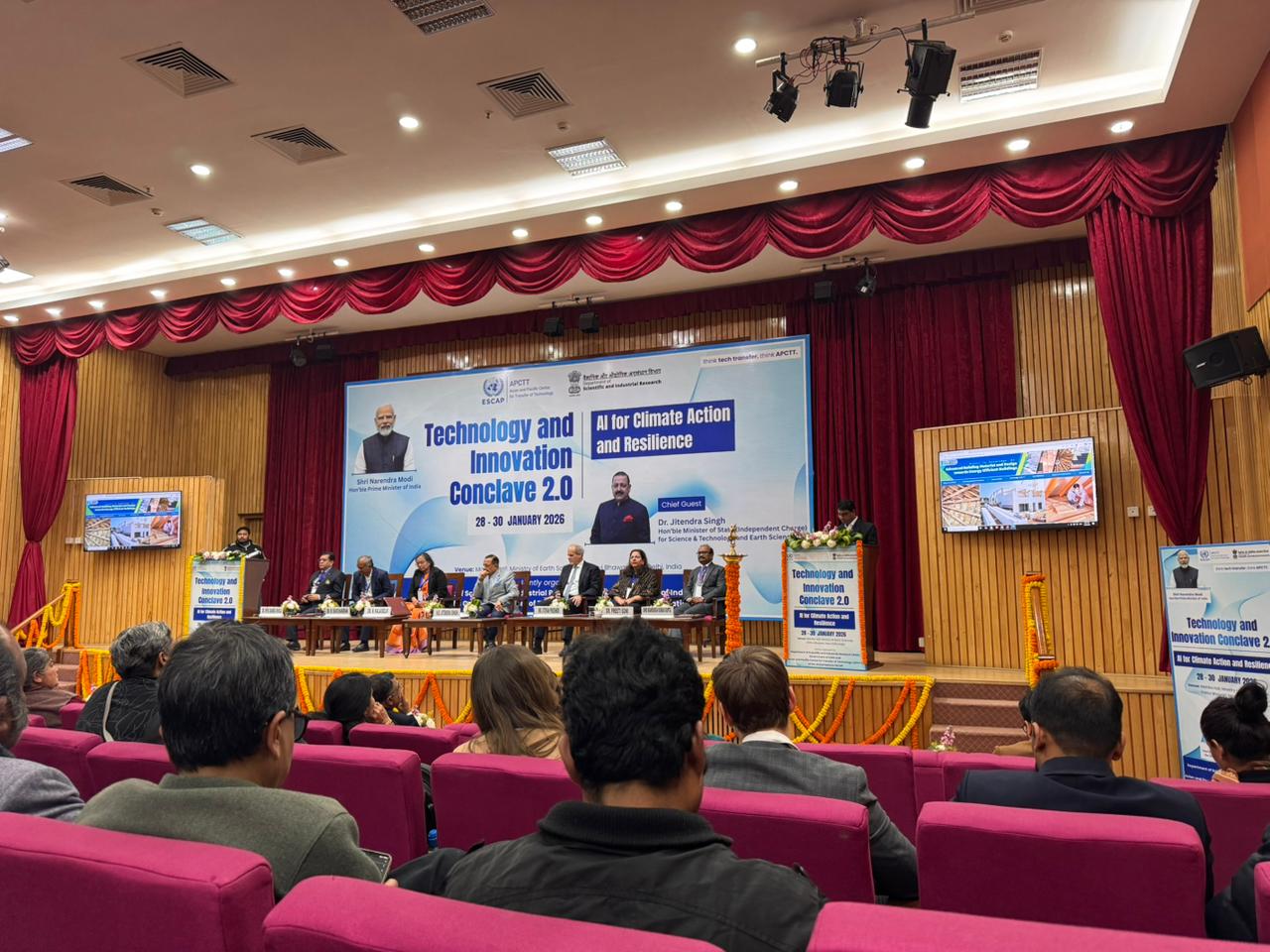
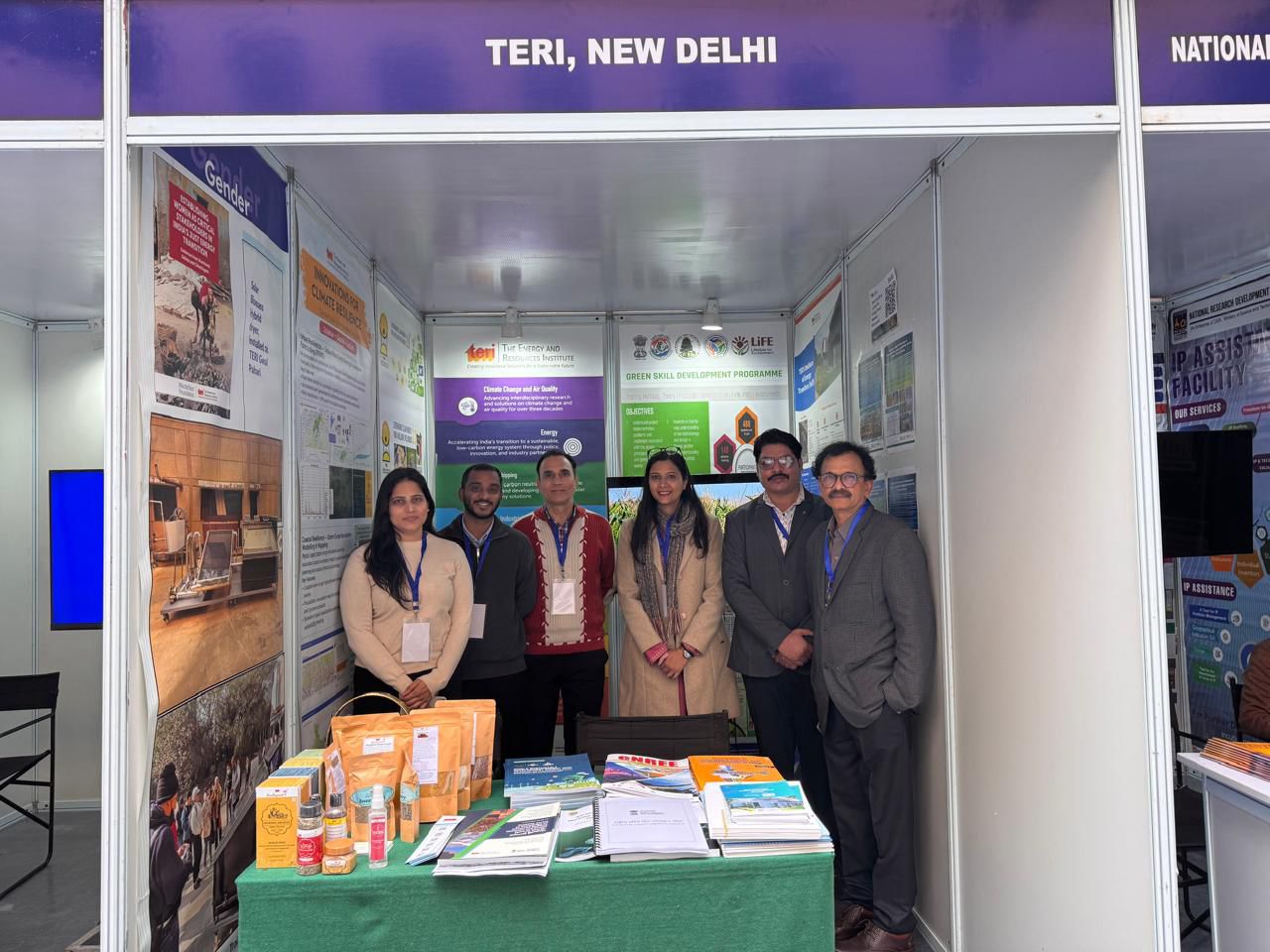
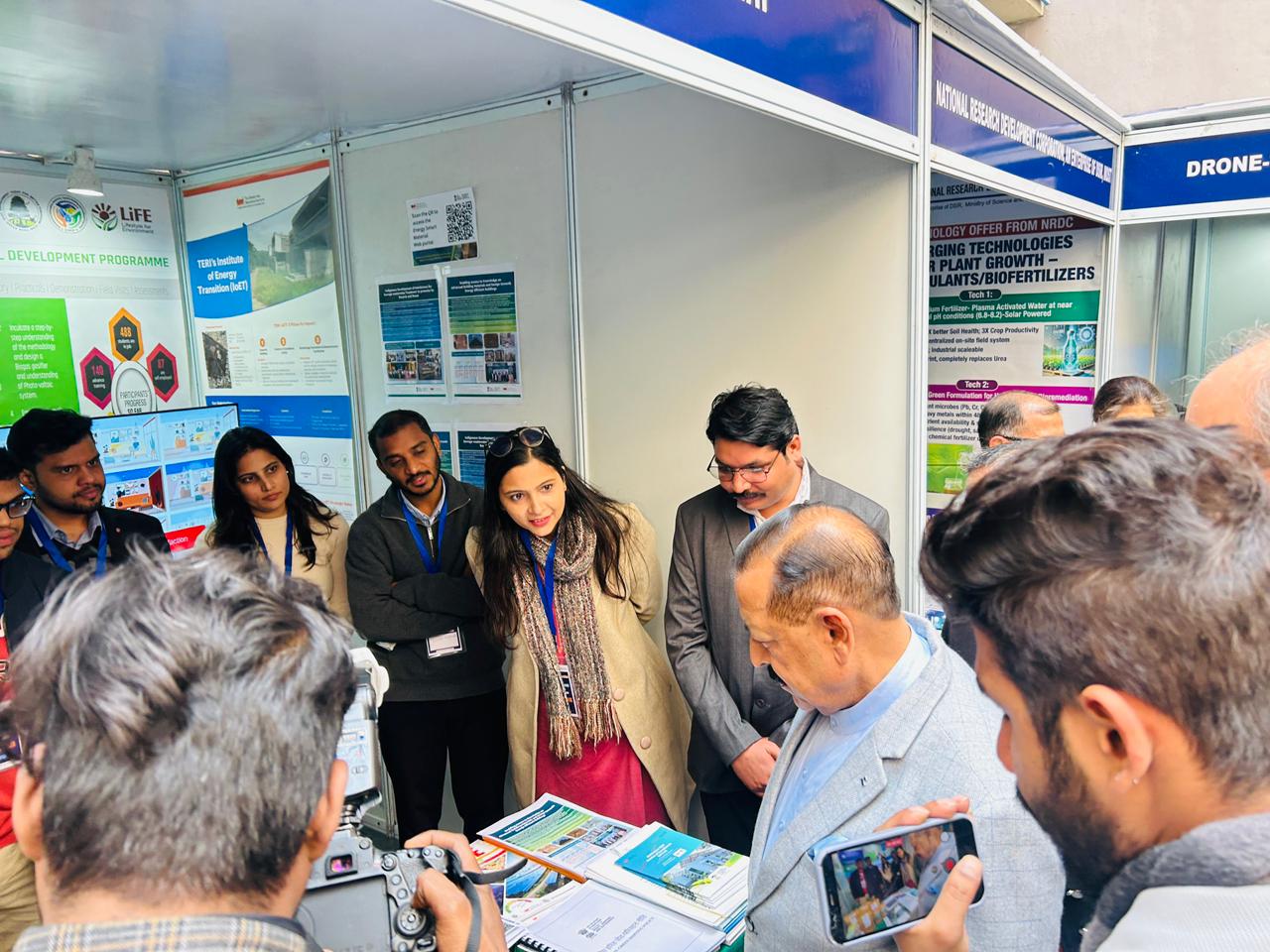
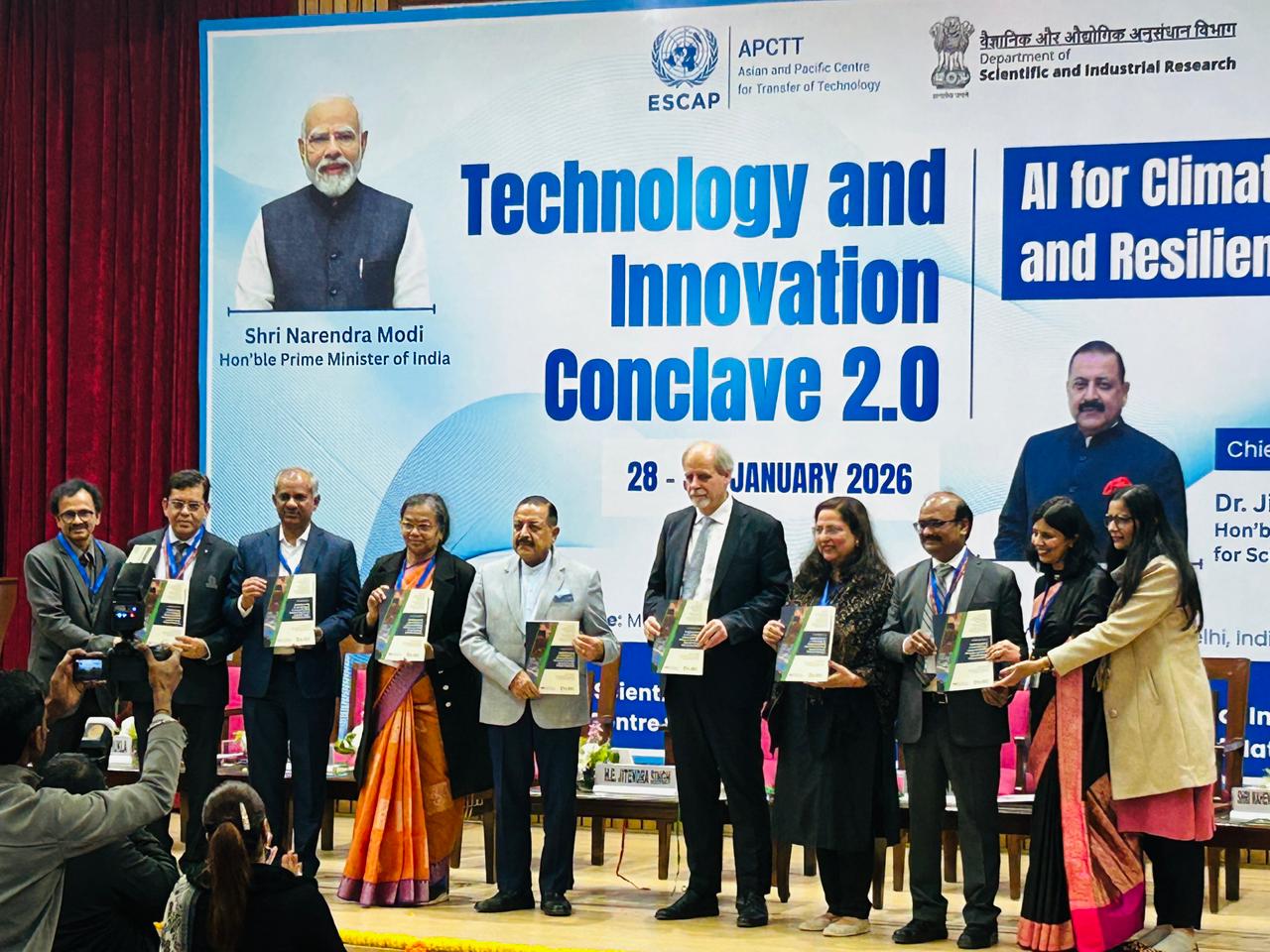
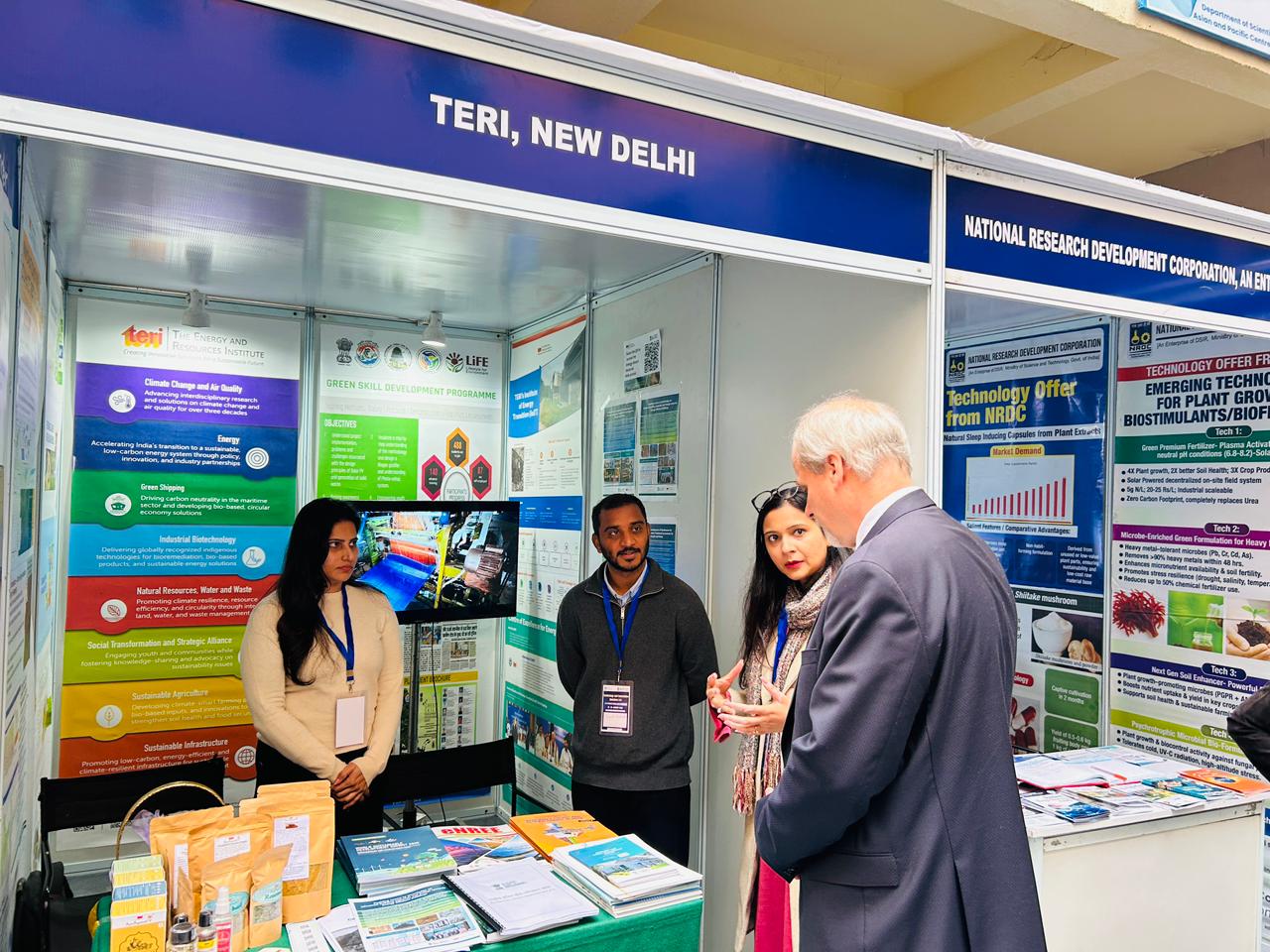
The Technology and Innovation Conclave 2.0 brought together senior policymakers, scientists, international organisations, and technology leaders to deliberate on the role of artificial intelligence and advanced technologies in enabling climate action and resilience. A key highlight of the Conclave was the high‑level inaugural session, during which TERI’s report and knowledge web portal on energy‑efficient buildings were formally launched.
The launch underscored the importance of technology‑enabled knowledge platforms in accelerating the adoption of sustainable solutions within India’s rapidly expanding building and urban sector.
As part of the inaugural session, the report and accompanying web portal developed by The Energy and Resources Institute (TERI) were launched by the Chief Guest and senior dignitaries.
Chief Guest:
Dr Jitendra Singh, Hon’ble Minister of State (Independent Charge) for Science & Technology and Earth Sciences, Government of India
Distinguished Dignitaries Present:
The launch marked a significant milestone in mainstreaming access to knowledge on advanced building materials and climate‑responsive design strategies through a structured, publicly accessible digital platform.
The report titled “A Detailed Study for Enabling Access to Knowledge on Advanced Building Materials and Design towards Energy‑Efficient Buildings” provides a comprehensive assessment of advanced building materials and design strategies that enhance energy efficiency and climate responsiveness.
Aligned with India’s vision for Amrit Kaal @2047 and the national commitment to achieve net‑zero emissions by 2070, the study supports ongoing housing and urban development programmes by enabling informed material selection and design decision‑making.
Sponsored under the A2K+ (Aligning Access to Knowledge for Technology Development and Dissemination) Studies Scheme of DSIR, the study draws upon:
A major outcome of the study is the development of the ‘Energy Smart Materials’ web portal, a one‑stop digital knowledge platform designed to bridge the gap between research, technology development, and on‑ground application.
The portal provides:
The portal directly complements the Conclave theme by demonstrating how digital platforms and data‑driven knowledge systems can support climate‑responsive infrastructure development.
Access the portal: https://energysmartmaterials.com/public/index.php
The TERI report and portal exemplify how AI‑ready knowledge platforms, structured datasets, and digital dissemination mechanisms can accelerate climate action in the built environment. By enabling evidence‑based design, regional adaptation, and scalable adoption of energy‑efficient materials, the initiative contributes meaningfully to strengthening climate resilience in cities.
The launch at the Technology and Innovation Conclave 2.0 reaffirmed TERI’s role in supporting national and regional efforts to translate research and innovation into practical, scalable solutions for a sustainable built environment.