India’s clean energy transition has emerged as one of the country’s most significant development achievements over the past decade.
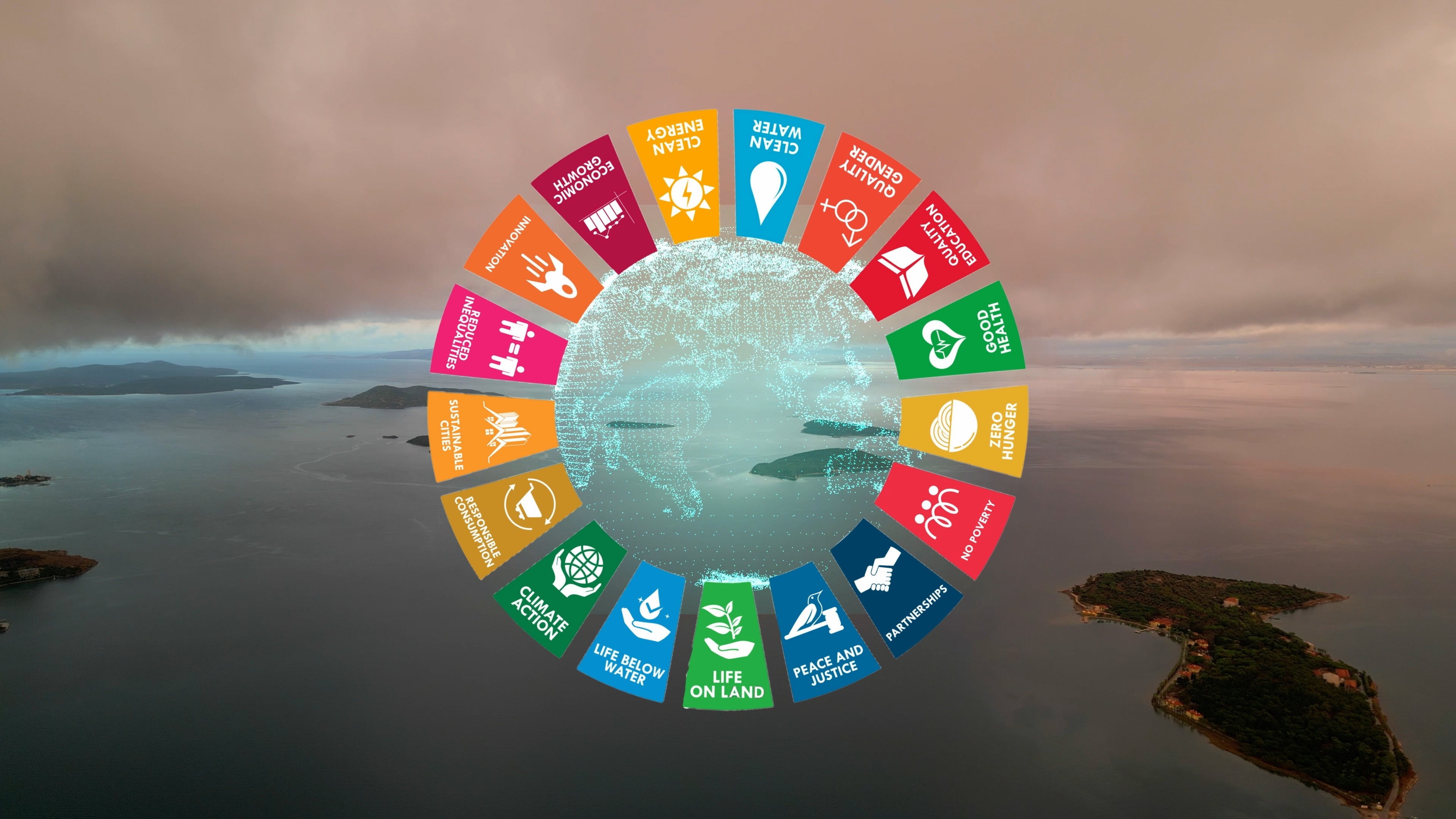
The 2026 Sustainable Development Report by the UN Sustainable Development Solutions Network (SDSN) reflects this progress, with India improving its overall SDG Index ranking by 18 places, rising to 94th among 169 countries with an overall score of 68.3, representing a 9.6 percentage point increase since 2015.
This momentum is increasingly being reinforced at the local level. For instance, Bhopal’s pioneering Voluntary Local Review, developed with UN-Habitat, signals that achieving the SDGs will increasingly depend on locally led solutions that translate national commitments into measurable community outcomes. While the country has made notable strides across several Sustainable Development Goals, SDG 7 (Affordable and Clean Energy) stands out as a cornerstone of India’s broader climate and development agenda.
India’s progress under SDG 7 has been driven by ambitious policy reforms, technological innovation, and sustained public investment. The country has committed to achieving 500 GW of non-fossil fuel electricity capacity by 2030, supported by competitive renewable energy auctions, large-scale solar parks, and rapidly declining solar photovoltaic costs. As of January 2026, India's installed electricity capacity reached 520.5 GW, with 271.97 GW – more than 52% – coming from non-fossil sources, including 263.19 GW of renewable energy and 8.78 GW of nuclear power. Renewable energy alone now accounts for 51.55% of the country's installed electricity capacity, representing a historic structural shift in India's energy mix.
Yet the challenge before SDG 7 is no longer confined to expanding electricity generation or increasing renewable capacity. The next phase requires ensuring that clean energy is reliable, affordable, productive, and inclusive, particularly for rural, remote, and economically vulnerable communities. Many regions continue to experience unreliable electricity supply, weak distribution infrastructure, and limited opportunities to convert energy access into improved livelihoods. Achieving SDG 7 by 2030 therefore demands solutions that go beyond electrification and create tangible socio-economic benefits at the community level.
This is where TERI's Lighting a Billion Lives (LaBL) 2.0 offers a transformative approach.
Building upon TERI's globally acclaimed Lighting a Billion Lives initiative, LaBL 2.0 moves beyond providing basic lighting to enabling productive use of clean energy. It represents a shift from energy for consumption to energy for production, recognising that sustainable energy access should directly support livelihoods, enterprise development, local resilience, and economic empowerment. Rather than treating electricity merely as an essential service, the initiative positions clean energy as a catalyst for rural prosperity.
LaBL 2.0 promotes decentralised renewable energy solutions that power micro-enterprises, agricultural activities, and traditional occupations, particularly in regions where centralised infrastructure alone cannot adequately meet local needs. Such decentralised systems complement national grid expansion while improving energy reliability, reducing dependence on fossil fuels, and strengthening climate resilience.
A compelling demonstration of this approach is the Pokhran pottery cluster in Rajasthan, where around 150–180 artisan households are being supported through hybrid solar energy systems. The intervention mechanises pottery production, reduces energy costs by nearly 70%, increases productivity, and encourages greater participation of younger generations in preserving traditional crafts. By lowering production costs and enhancing competitiveness, clean energy becomes an instrument for both economic development and cultural preservation.
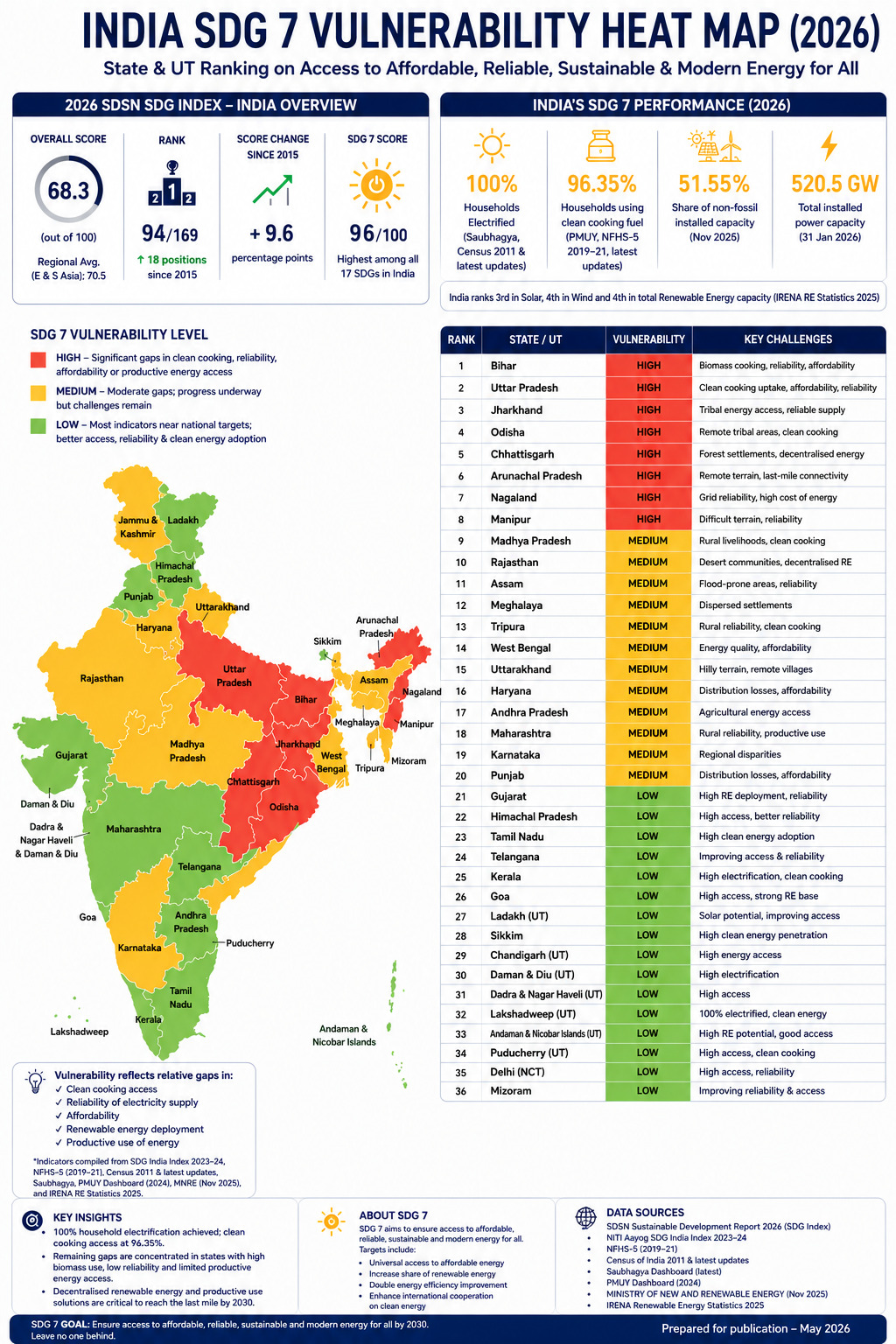
This productive-use model addresses several of the remaining gaps under SDG 7. It improves energy reliability in underserved regions through decentralised renewable systems, reduces operational costs for rural enterprises, creates new income opportunities and strengthens community resilience against climate and economic shocks.
The significance of LaBL 2.0 also extends beyond SDG 7. By enabling entrepreneurship, supporting local industries, and fostering climate-resilient livelihoods, the initiative contributes simultaneously to poverty reduction, decent work, innovation, sustainable communities, and climate action. It demonstrates how affordable and clean energy can serve as an enabling platform for achieving multiple Sustainable Development Goals through integrated local development.
India has built the infrastructure for a clean energy future; the next step is ensuring that energy reaches the last mile to transform lives and livelihoods. If the first phase of India's energy transition focused on lighting homes, the next must focus on lighting livelihoods.
TERI’s Lighting a Billion Lives 2.0 embodies this vision by transforming clean energy into an engine of inclusive growth. As India advances towards achieving SDG 7, initiatives such as LaBL 2.0 offer a scalable pathway for bridging the remaining gaps, ensuring that the country's energy transition is measured not merely by gigawatts installed, but by the millions of lives empowered through affordable, reliable, inclusive, and productive clean energy.