Headquarters
The Energy and Resources Institute (TERI)
Darbari Seth Block, Core 6C,
India Habitat Centre, Lodhi Road,
New Delhi - 110 003, India
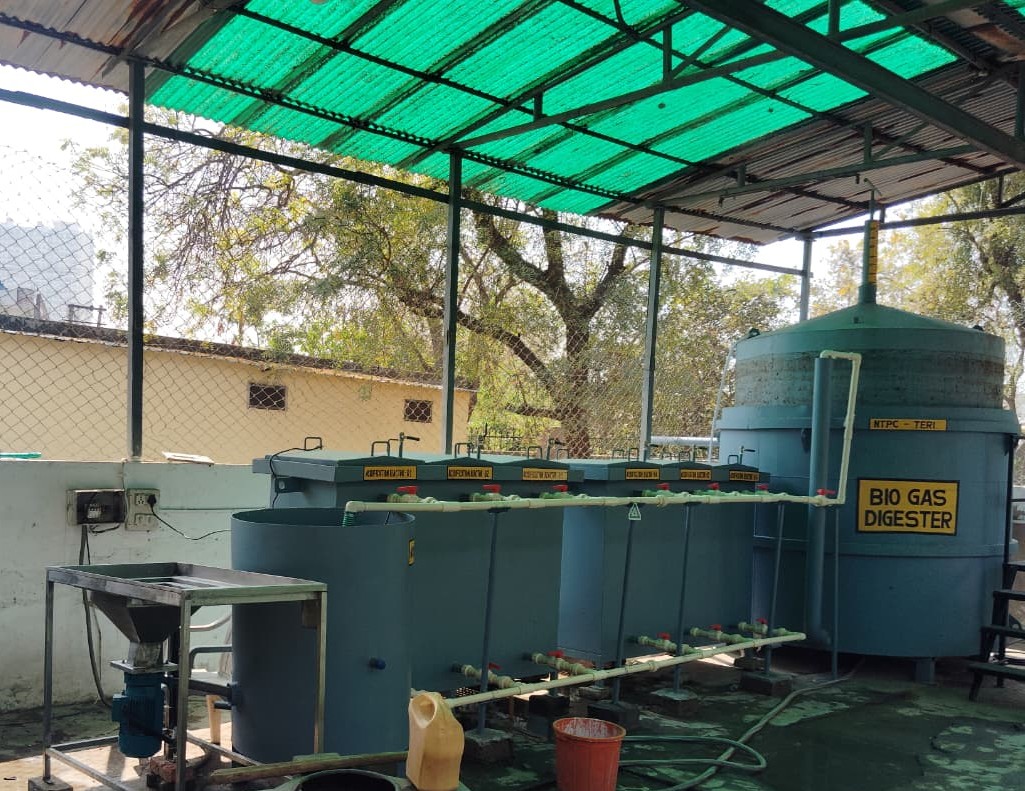
NTPC Limited engaged TERI for the revival, modification, and commissioning of an existing biomethanation plant at its Faridabad facility. The project aimed to restore the plant's functionality, enhance its operational efficiency, and align it with advanced technologies to enable the effective conversion of organic waste into renewable energy and value-added by-products.
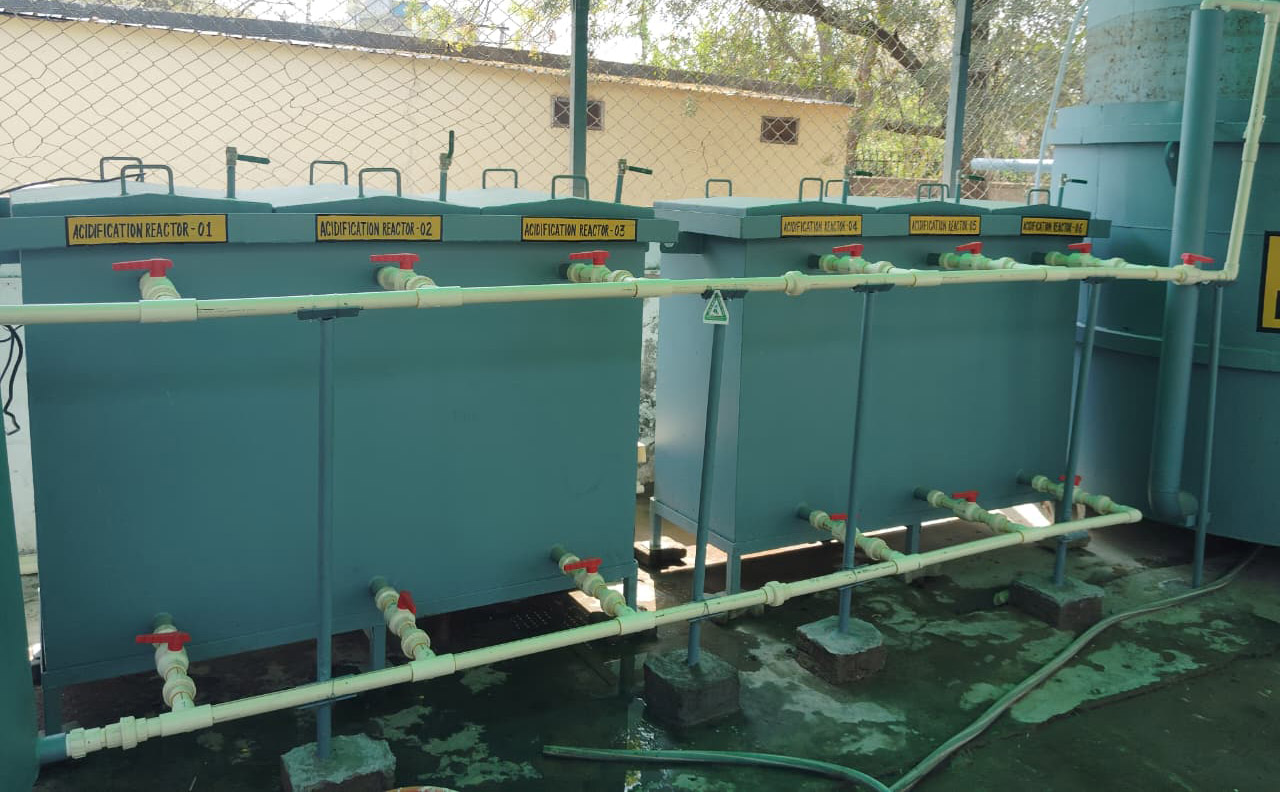
As part of the intervention, TERI implemented its patented TERI’s Enhanced Acidification and Methanation (TEAM) technology. This two-stage anaerobic digestion process is specifically designed for the efficient treatment of segregated organic waste. By integrating acidification and methanation stages in a scientifically optimized manner, the process ensures superior degradation of organic matter, higher biogas yields, and improved system stability.
Under the TEAM framework, organic waste undergoes shredding and homogenization, followed by an acidification stage where complex organic matter is broken down into simpler compounds. The resulting slurry is then treated in a high-rate methanation reactor to produce biogas with a methane content of approximately 70%. Notably, the system operates with a reduced Hydraulic Retention Time (HRT) of just 12 days, enabling rapid and efficient waste processing.
The upgraded system handles organic waste streams, including kitchen and canteen waste, generated within the NTPC facility. Since its successful commissioning, the plant has remained fully operational. The biogas generated is utilized within the NTPC premises, specifically for cooking applications in the canteen, replacing conventional Liquefied Petroleum Gas (LPG). Currently, the plant provides biogas to the kitchen for approximately 5–6 hours per day.
This project serves as a successful model for decentralized organic waste management and renewable energy generation within industrial campuses. By converting waste into clean energy and valuable resources, the initiative supports NTPC’s sustainability objectives, reduces landfill burden, and decreases dependency on fossil fuels.