Headquarters
The Energy and Resources Institute (TERI)
Darbari Seth Block, Core 6C,
India Habitat Centre, Lodhi Road,
New Delhi - 110 003, India
The International Centre for Integrated Mountain Development (ICIMOD) is an intergovernmental learning and knowledge-sharing centre serving the eight regional member countries of the Hindu Kush Himalaya (HKH) , including, Afghanistan, Bangladesh, Bhutan, China, India, Myanmar, Nepal, and Pakistan. Working in partnership with regional members and international organizations, ICIMOD aims to foster a greener, more inclusive, and climate-resilient mountain ecosystem.
The HKH region is currently among the most polluted in the world, with billions of people regularly exposed to air quality levels that far exceed safe limits. This pollution is pervasive, affecting foothill regions, remote mountain villages, urban centres, and high-altitude glaciers alike. Such extensive degradation poses systemic risks to human health, biodiversity, agriculture, and the regional economy.
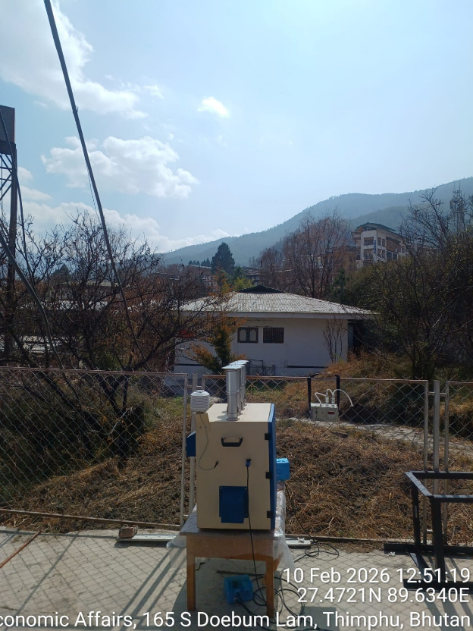
Bhutan, despite its commitment to environmental conservation, is facing mounting air quality challenges. The capital city, Thimphu, frequently experiences high-pollution days with levels exceeding World Health Organization (WHO) guidelines. Given the region’s ecological fragility, addressing air pollution in the HKH, and Bhutan specifically is an urgent priority to safeguard both the environment and public health.
To effectively mitigate air pollution, a robust and scientifically grounded National Clean Air Action Plan is essential. The development of this plan relies on:
This project focuses on the formulation of a comprehensive National Clean Air Action Plan for Bhutan. Key components include:
The final outcome will be a strategic National Action Plan featuring sector-specific strategies designed to ensure long-term air quality improvements for Bhutan.