Headquarters
The Energy and Resources Institute (TERI)
Darbari Seth Block, Core 6C,
India Habitat Centre, Lodhi Road,
New Delhi - 110 003, India
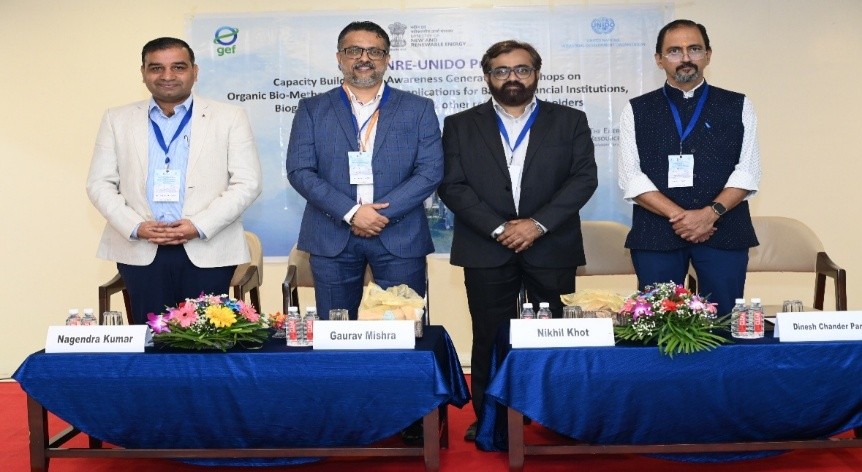
The United Nations Industrial Development Organization (UNIDO), in collaboration with the Ministry of New and Renewable Energy (MNRE), Government of India, engaged The Energy and Resources Institute (TERI) to implement a structured capacity-building and awareness generation programme on Organic Bio-Methanation projects. The primary objective of this initiative was to strengthen the technical and financial appraisal capabilities of banks, financial institutions, and other key stakeholders, thereby facilitating informed decision-making and enhancing financing within the biomethanation and Compressed Biogas (CBG) sectors.
As a foundational component of the project, TERI developed a suite of comprehensive training modules designed as structured knowledge resources. These modules cover the complete value chain of biomethanation projects, ensuring stakeholders have access to critical data across technical, financial, regulatory, and operational dimensions.
To bridge the gap between theory and practice, the modules also incorporated standardized templates and checklists for Detailed Project Report (DPR) evaluation, feedstock due diligence, and techno-financial appraisal.
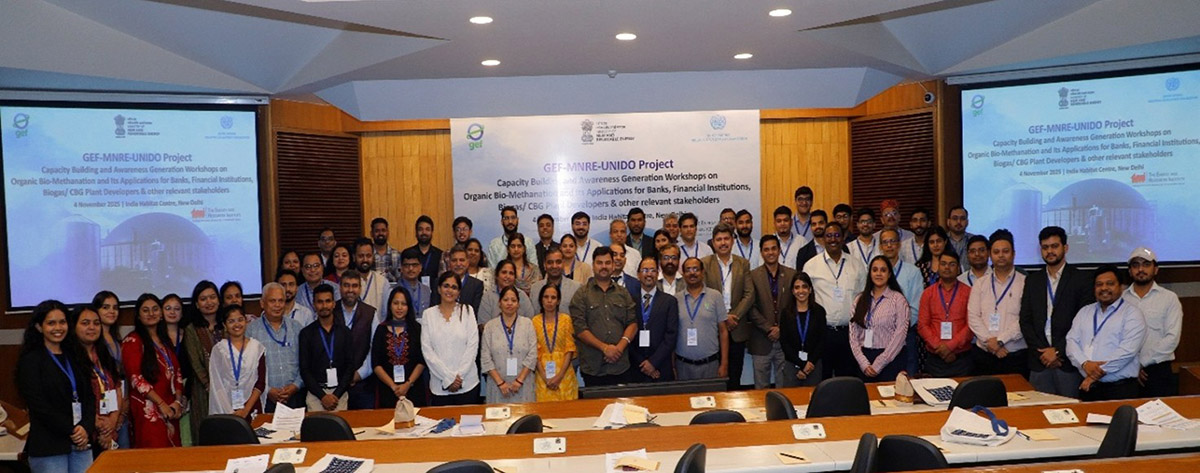
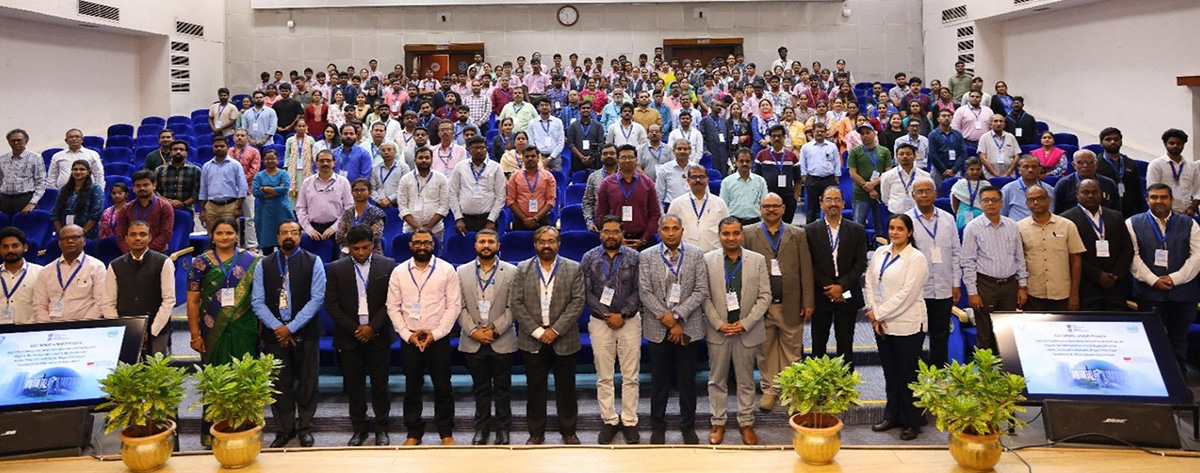
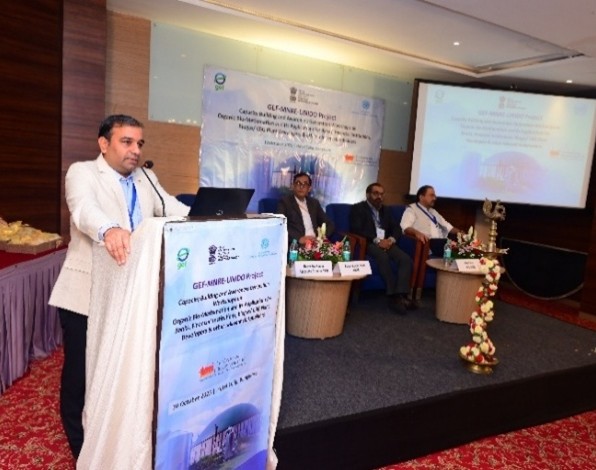
Following the preparation of these modules, TERI conducted a series of nine one-day capacity-building workshops across strategic locations in India: Lucknow, Chandigarh, Pune, Bengaluru, Bhopal, Ahmedabad, Delhi, Guwahati, and Hyderabad. These sessions were meticulously designed to provide practical exposure and a hands-on understanding of biomethanation technologies and their financial implications.
The workshops saw robust multi-stakeholder participation, engaging a total of 777 participants. The diverse audience included representatives from public and private sector banks, Non-Banking Financial Companies (NBFCs), project developers, industry representatives, researchers, and government agencies.
Each workshop was structured into multiple technical sessions led by a panel of experts from TERI, MNRE, UNIDO, and the wider industry. These sessions ensured a holistic understanding of:
To maximize engagement, the programme featured interactive components such as case study presentations, group exercises, and DPR evaluation simulations. These exercises empowered participants to critically analyze project assumptions, identify potential risks, and navigate the real-world challenges associated with biomethanation projects.
The combined approach of rigorous module development and widespread workshop implementation has significantly enhanced the knowledge base of India’s financial institutions and sector stakeholders. By fostering lender confidence and streamlining project appraisal processes, this initiative is set to facilitate increased investment in organic biomethanation and CBG projects, directly supporting India’s national renewable energy targets and circular economy objectives.