Headquarters
The Energy and Resources Institute (TERI)
Darbari Seth Block, Core 6C,
India Habitat Centre, Lodhi Road,
New Delhi - 110 003, India
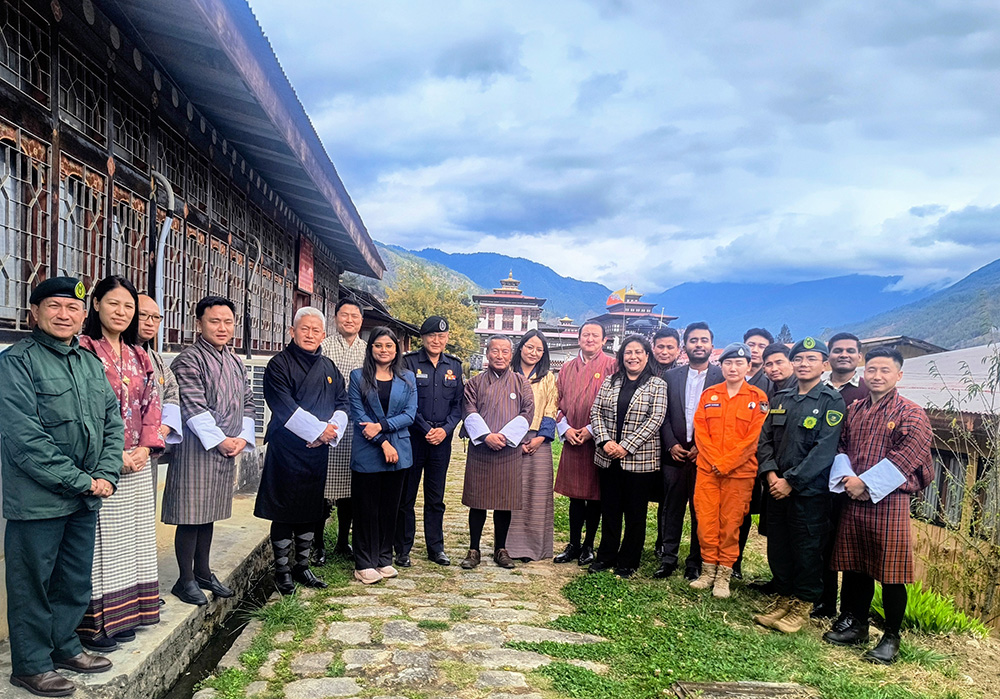
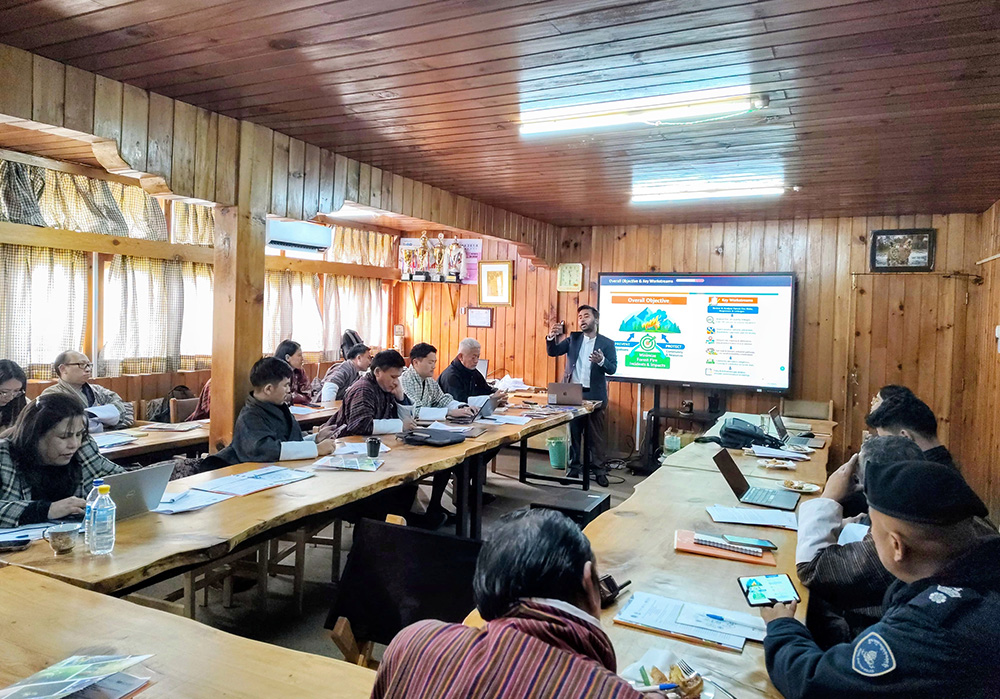
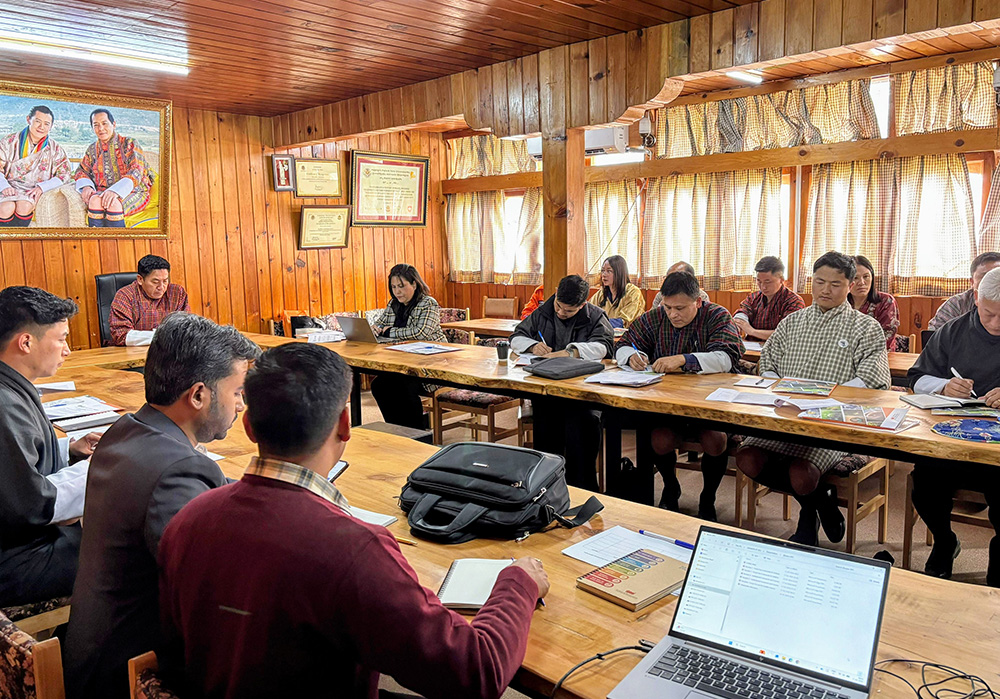
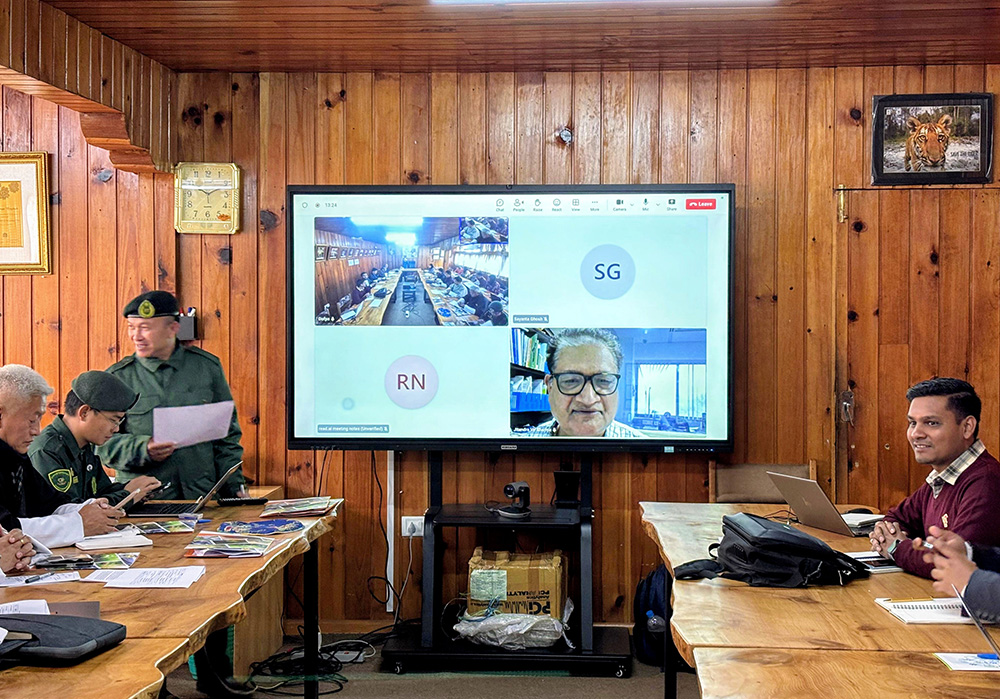
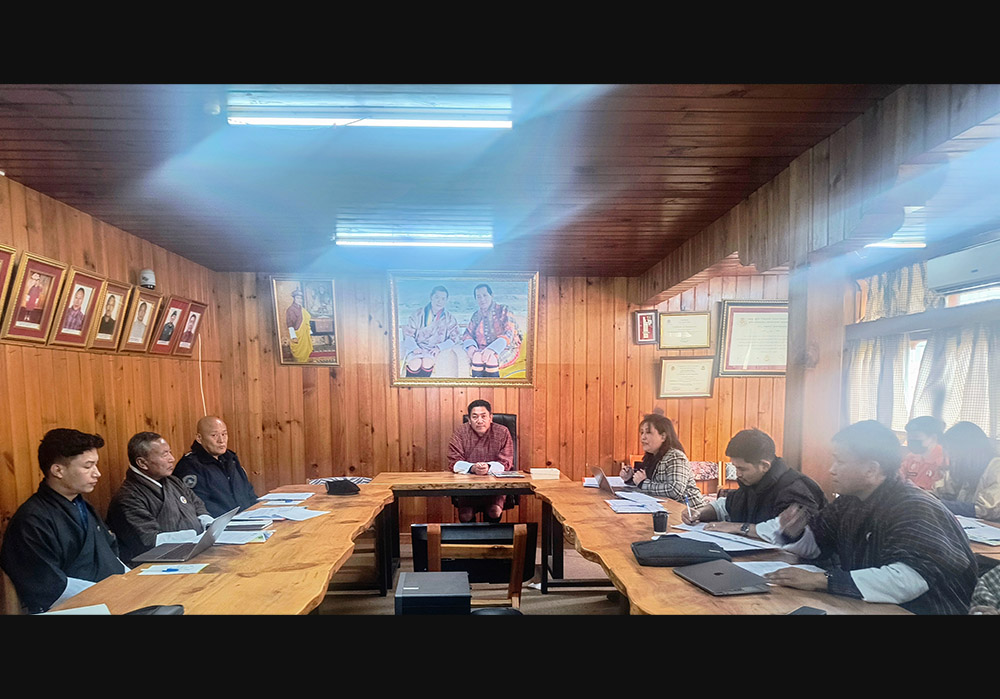
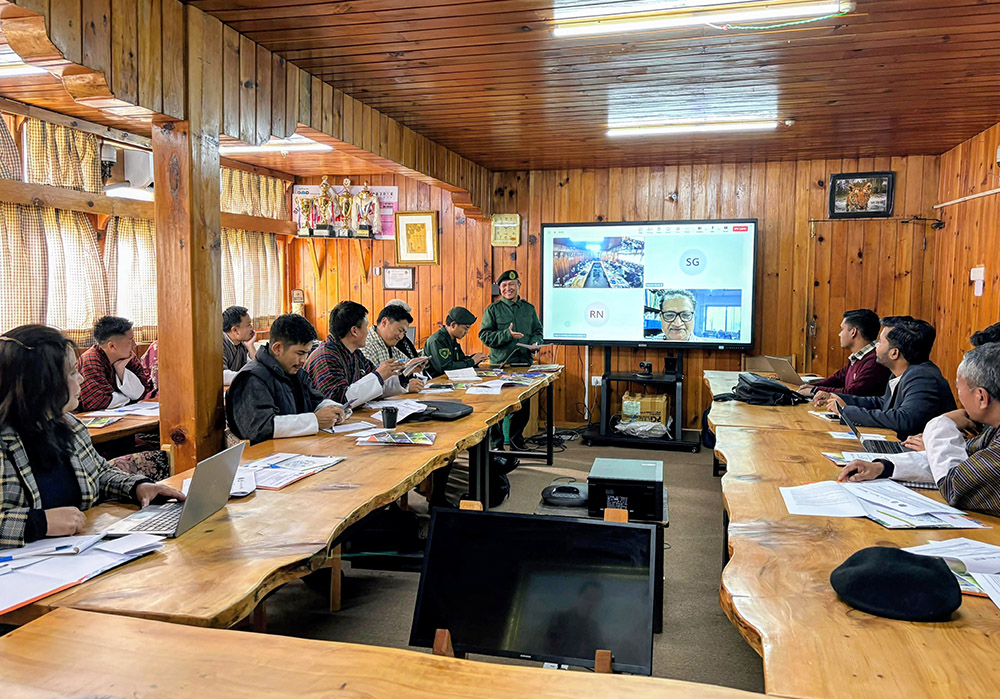
On 27 March 2026, The Energy and Resources Institute (TERI), in collaboration with ICIMOD, the Ministry of Energy and Natural Resources, Bhutan, the Department of Forests and Park Services (DoFPS), Bhutan, and UK International Development, organized a Stakeholder Consultation Meeting on Solution Pathways for Forest Fire Management & Air Quality Improvement in Thimphu under the ongoing regional study, “Comprehensive Study on Solutions for Forest Fire Management and Air Quality Improvement in the Hindu Kush Himalaya (HKH) Region.”
The meeting brought together officials and experts to deliberate on forest fire risk, key drivers, institutional mechanisms, and practical pathways for strengthening forest fire management and reducing associated air quality impacts in the wider HKH context. The programme opened with welcome remarks by Mr Karma Tenzin, Director, Department of Forests and Park Services (DoFPS), Bhutan, followed by an overview of the initiative by Ms Bidya Banmali Pradhan, Senior Air Pollution Specialist, ICIMOD. In the context-setting presentation, Dr JV Sharma, Senior Director, TERI, highlighted the growing significance of forest fires as a combined challenge of ecosystem resilience, biodiversity protection, disaster risk reduction, and air quality management across the HKH region.
During the technical session, the TERI team presented key dimensions of the ongoing study: Mr Sayanta Ghosh, Associate Fellow, highlighted TERI’s work on MCDA-based fire vulnerability zonation, resource allocation suitability mapping, high-resolution spatial assessment, and financial pathways to minimize fire risk; Ms Madhuparna Majumder, Research Associate, highlighted the air quality impacts of forest fires, including their transboundary implications; and Mr Rachit Kumar, Associate Fellow, discussed the existing forest fire management framework and areas where prevention, preparedness, and institutional coordination may be further strengthened.
The meeting concluded with closing remarks by Mr Sonam Tobgay, Chief Forestry Officer, DoFPS, Bhutan. The consultation reinforced the importance of context-specific, prevention-led, and regionally coordinated approaches for addressing forest fire and air quality challenges across the Himalaya.