
Headquarters
The Energy and Resources Institute (TERI)
Darbari Seth Block, Core 6C,
India Habitat Centre, Lodhi Road,
New Delhi - 110 003, India
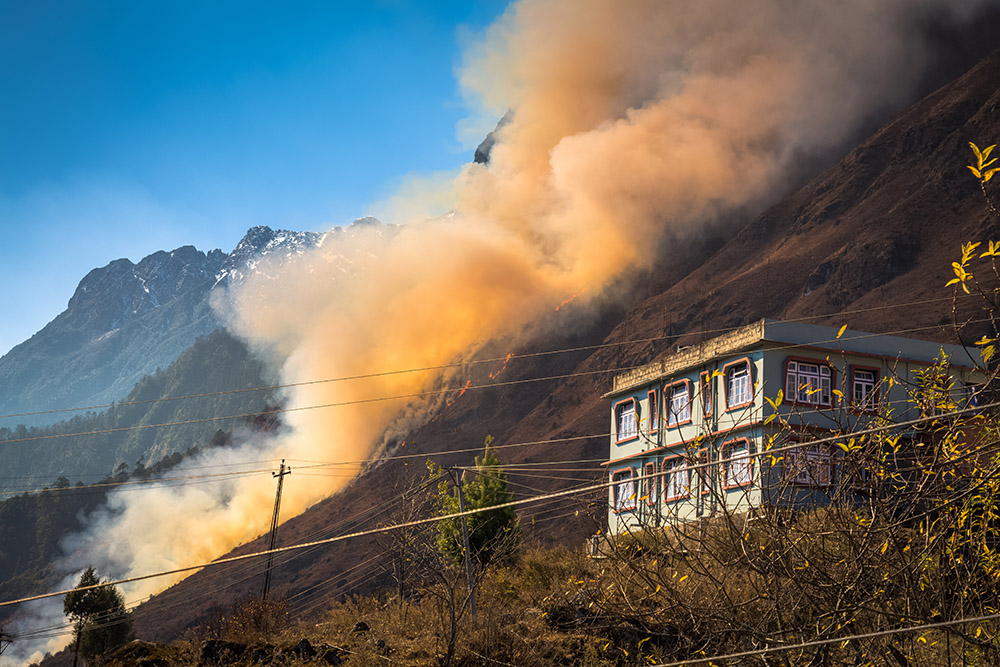
Nestled in the Eastern Himalayas, Sikkim is one of India's most ecologically significant states, with over 82 per cent of its geographical area designated as Recorded Forest Area (RFA). Recognizing its immense potential for forest-based climate action, TERI undertook a comprehensive scoping and feasibility study to assess the viability of carbon finance projects in the state under the Agriculture, Forestry, and Other Land Use (AFOLU) sector.
Commissioned in collaboration with the Forest and Environment Department, Government of Sikkim, the study employed advanced Remote Sensing (RS) and Geographic Information System (GIS) technologies to analyze land-use and forest cover changes between 2009 and 2023.
The study aimed to identify eligible areas and develop strategic project plans for three primary carbon finance mechanisms: Afforestation, Reforestation, and Revegetation (ARR); Reducing Emissions from Deforestation and Forest Degradation (REDD+); and Improved Forest Management (IFM).
The study identified approximately 470 hectares of high-potential ARR project sites across Sikkim, with the Chungthang, Gangtok, Namchi, and Namthang ranges showing the greatest promise. For REDD+ initiatives, seven forest ranges, spanning over 1,233 sq. km, were found to exhibit consistent degradation. Furthermore, significant degradation was noted within protected areas, including Khangchendzonga National Park and Barsey Rhododendron Sanctuary.
The analysis pinpointed six primary drivers of forest degradation:
By mapping these findings against the rigorous requirements of leading voluntary carbon market standards, such as Verra and the Gold Standard, the study provides a robust, data-driven foundation for developing credible carbon finance projects. These initiatives will support sustainable forest management in Sikkim while contributing significantly to India's national climate commitments (NDCs).