Headquarters
The Energy and Resources Institute (TERI)
Darbari Seth Block, Core 6C,
India Habitat Centre, Lodhi Road,
New Delhi - 110 003, India
Adani Total Gas Limited (ATGL) partnered with The Energy and Resources Institute (TERI) to conduct a comprehensive analysis of Municipal Solid Waste (MSW). The study focused on the physical and chemical characterization of waste, alongside the evaluation of its biomethanation potential.
The analysis involved MSW samples collected from critical hubs in Gujarat:
These insights empowered ATGL to assess waste composition accurately and identify viable opportunities for converting MSW into clean energy resources, such as Bio-CNG. This initiative was a significant step toward ATGL’s vision of supporting India’s sustainable energy transition and environmental stewardship.
The study was designed to span 12 months, divided into four quarters. This longitudinal approach was essential to account for seasonal variations in waste composition, which can significantly impact energy yield.
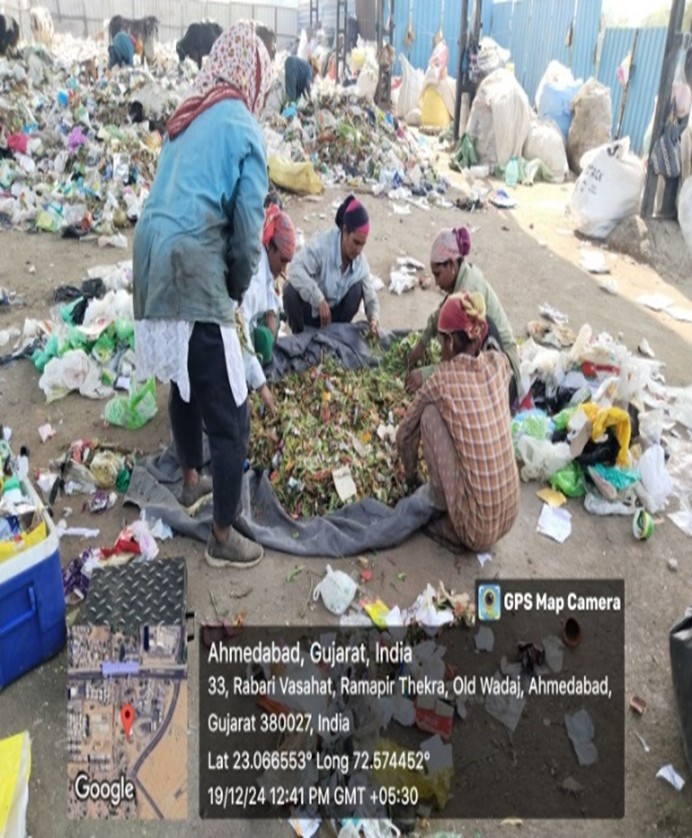
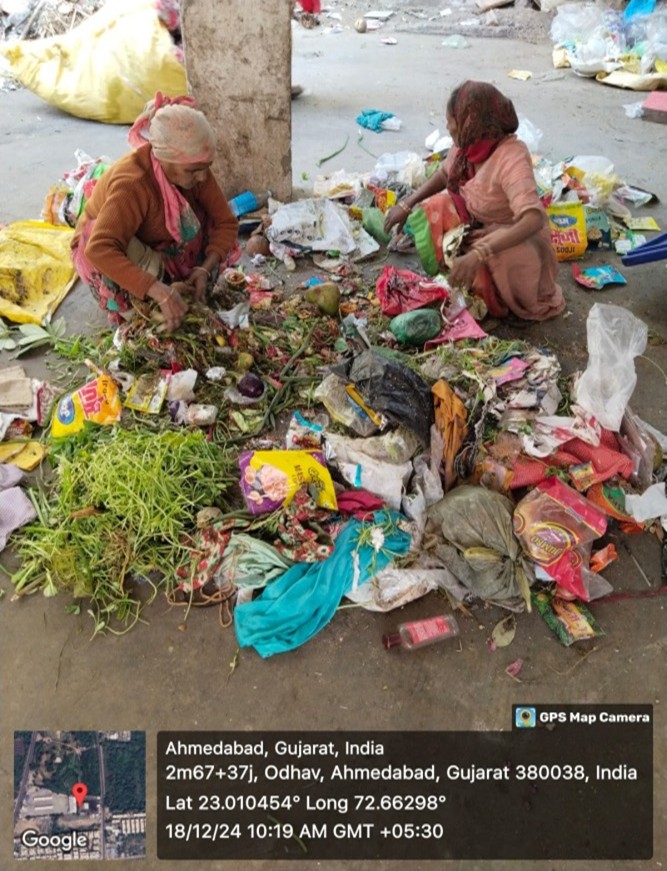
The first phase of sampling in Ahmedabad was executed over six days (December 13–15 and December 17–19, 2024).
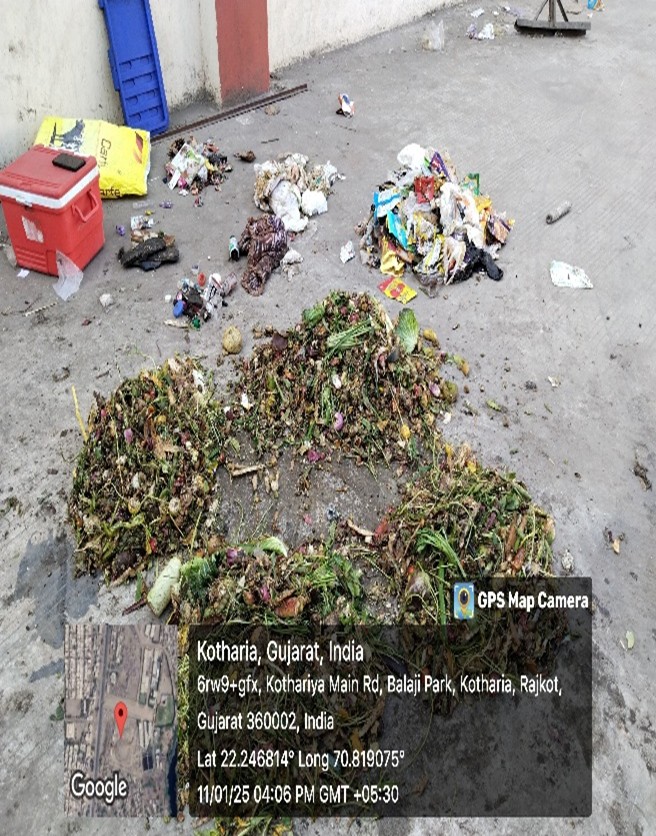
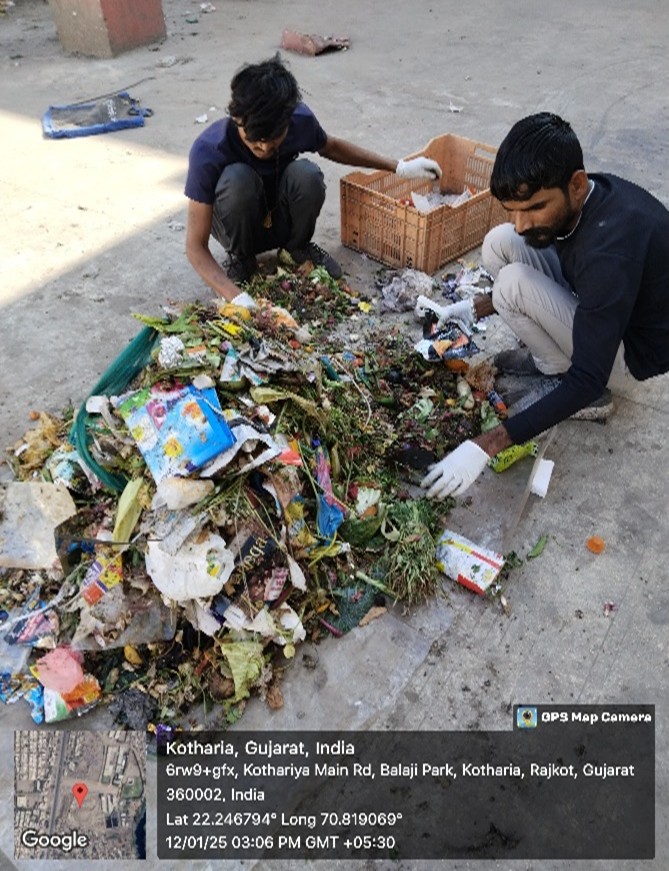
In Rajkot, sampling was conducted over four days (January 11–13 and January 15, 2025).
The study analyzed the organic fraction of the waste (comprising kitchen and green waste) across all RTS locations. The data revealed varying levels of organic content at each site, which is a critical factor in determining the feedstock quality for biomethanation plants.
A deep-dive chemical analysis was performed to establish baseline values for:
In Ahmedabad, the analysis highlighted distinct trends across Phase 1 and Phase 2. Similarly, in Rajkot, the chemical profile was tracked across four distinct phases to map the waste’s evolving chemical signature.
To determine the actual energy potential, samples were transported to TERI’s specialized laboratories for:
The preliminary results provide a clear roadmap for waste-to-energy conversion. By establishing the specific biogas generation capacity of MSW in these two major cities, the study provides the scientific foundation necessary for ATGL to implement scalable, sustainable Bio-CNG solutions, furthering the circular economy in India.