
Headquarters
The Energy and Resources Institute (TERI)
Darbari Seth Block, Core 6C,
India Habitat Centre, Lodhi Road,
New Delhi - 110 003, India
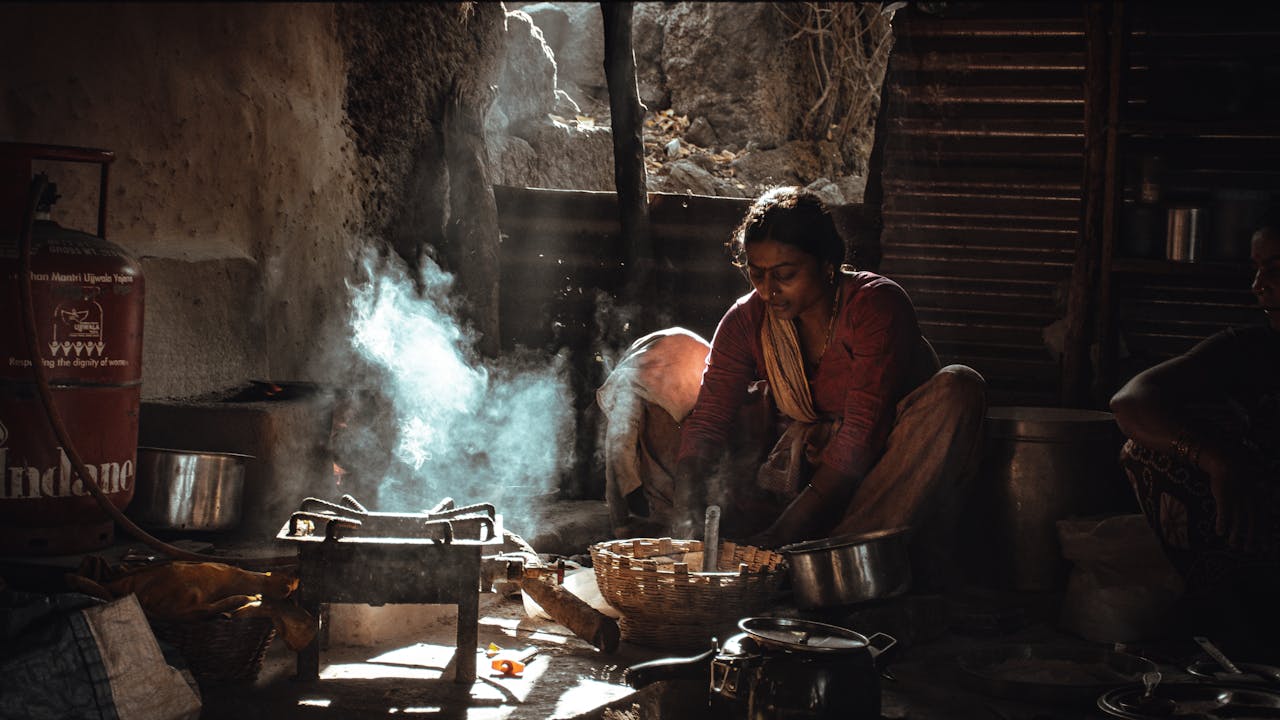
India’s transition toward climate-resilient and decentralized renewable energy (DRE) systems presents a significant opportunity to advance inclusive development. Across rural and peri-urban regions, DRE technologies are increasingly being promoted to improve energy access, strengthen livelihoods, and support climate adaptation. However, women’s participation within renewable energy ecosystems continues to remain limited due to structural barriers related to access to technical training, employment opportunities, finance, mobility, decision-making spaces, and supportive institutional environments. These challenges are further shaped by intersecting inequalities such as caste, class, geography, education, marital status, and prevailing social norms.
Within this context, TERI’s research initiative seeks to examine women’s participation, empowerment, and labour transitions within decentralized renewable energy ecosystems in India. The study is supported by ODI Global, UK and aims to develop an evidence-based and intersectional understanding of how women engage with DRE skilling, employment, entrepreneurship, and leadership pathways, while identifying the social, economic, and institutional conditions necessary for meaningful inclusion.
The study is expected to contribute to the development of gender-responsive and socially inclusive policies for decentralized renewable energy transitions in India. The research will support governments, skilling institutions, industry actors, and development organisations in designing more inclusive training, employment, and workplace ecosystems. The study will also highlight the intersectional barriers faced by women from diverse socio-economic backgrounds, enabling more targeted and equitable interventions. In addition, the findings are expected to inform the design of future DRE programmes by integrating empowerment, decent work, safety, and social inclusion indicators into implementation frameworks.