Headquarters
The Energy and Resources Institute (TERI)
Darbari Seth Block, Core 6C,
India Habitat Centre, Lodhi Road,
New Delhi - 110 003, India
Promoting decentralized renewable energy solutions in the rural and off-grid regions offers a transformative path forward. By providing reliable, clean power, the rural livelihoods-based enterprises can boost their efficiencies, cut expenses, promote environmental sustainability, and strengthen their income.
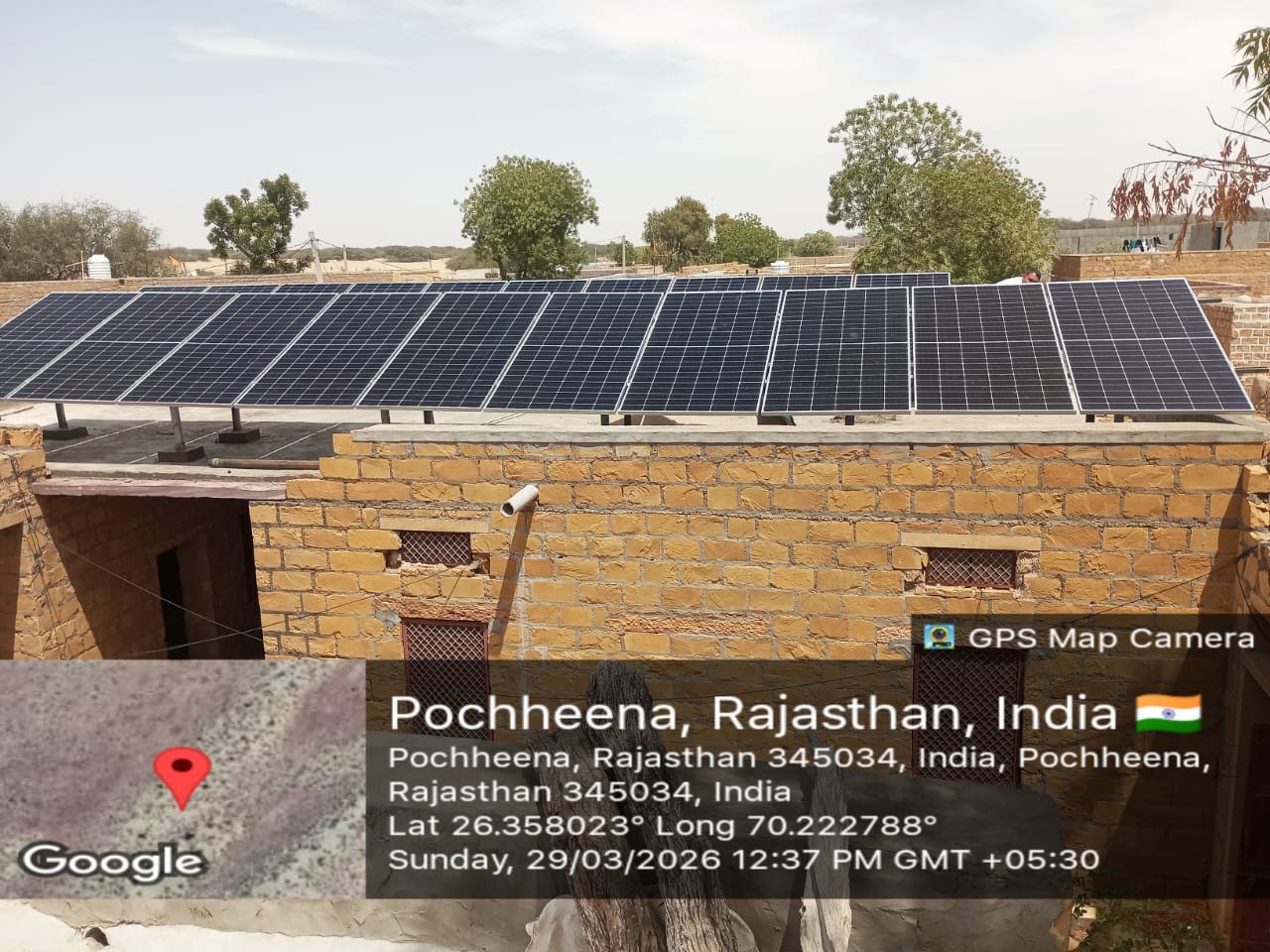
In the remote, arid regions of Rajasthan, particularly districts like Jaisalmer with dispersed settlements and extreme climates, women-led livelihood enterprises face severe operational challenges due to unreliable electricity. These communities rely heavily on costly diesel-based power systems. These energy challenges hamper productivity, increase operational costs, and limit livelihood opportunities for rural women and artisan groups. Recognizing these challenges, TERI, installed hybrid solar PV solutions in two livelihood centers, the Pochina Milk Chilling Centre and the Pokhran Pottery facilitation center under Leveraging Clean Energy for a Billion Livelihoods Initiative (LaBL 2.O).
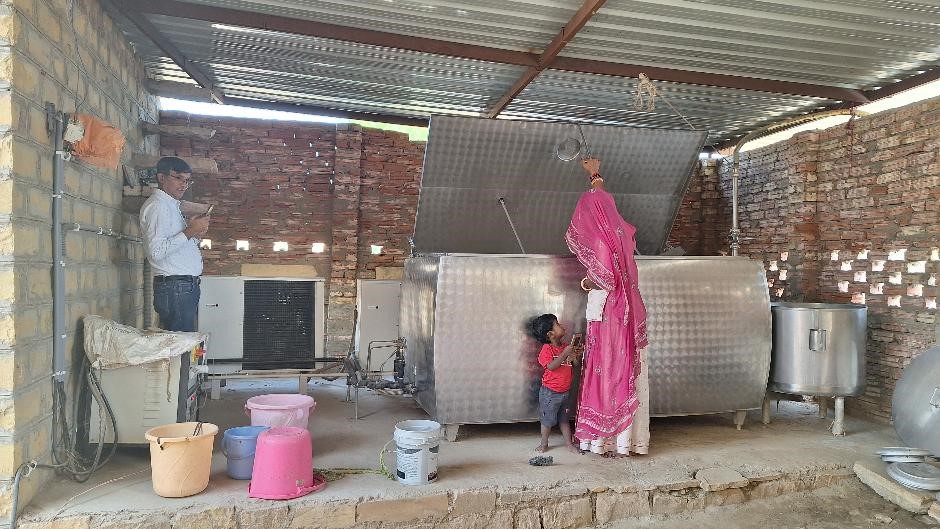
Located near the Indo-Pakistan border, this center collects milk daily from over 120 households whose livelihoods depend on milk sales. It provides chilling facilities, enables transport to district-level dairies, and stabilizes regular income sources for these rural communities. Due to poor grid connectivity, the dairy unit depended on a diesel generator to power its 2000-litre milk chilling system. This led to high operational costs and environmental pollution from daily diesel use of around 15 litres. TERI installed a 10-kW hybrid solar PV system with battery storage, delivering reliable power to the facility. The system slashed diesel consumption, cut expenses, boosted operational efficiency, and promoted cleaner energy use.
Traditional artisan households in this terracotta and clay-crafts cluster struggled with irregular electricity and rising fuel costs, hindering production processes like clay preparation and finishing, key roles for women artisans. To strengthen production processes and improve productivity, TERI deployed a 5-kW hybrid solar PV system integrated with essential machinery, including ball mills, pug mills, and pottery wheels. The system enabled cleaner production, slashed energy costs, boosted productivity, and enhanced livelihood opportunities for artisan families, especially women.
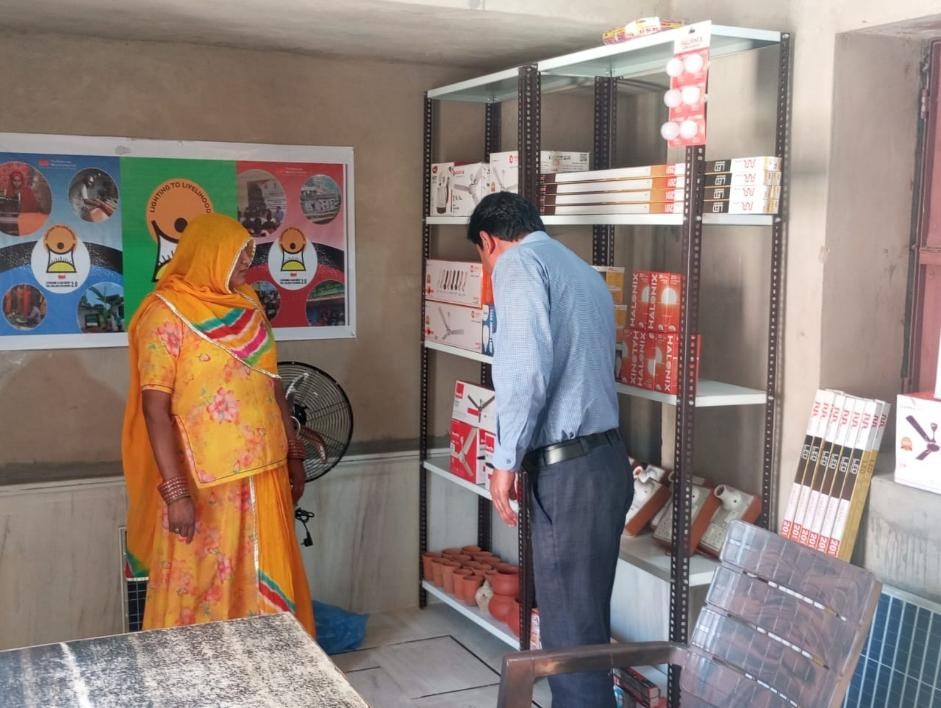
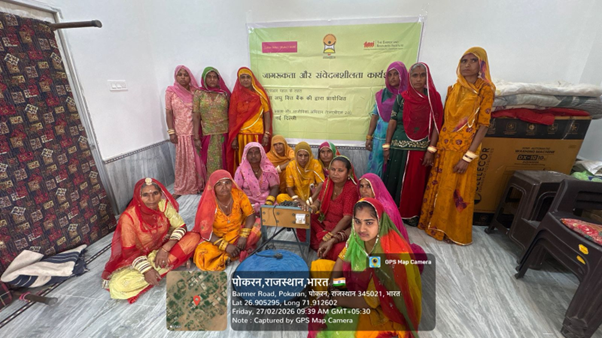
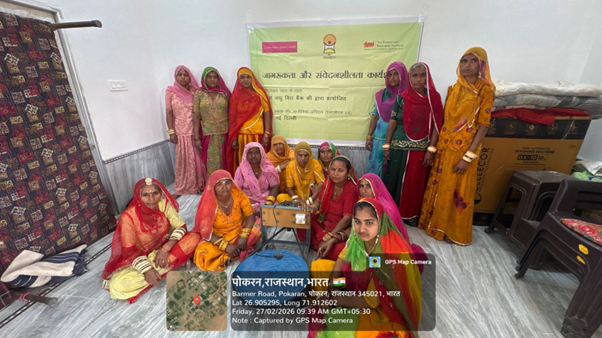
TERI organized awareness campaigns and technical training for women artisans. It also established two (2) Women-led Energy Enterprises (WEEs), one in each cluster (Pochina and Pokhran), to create local clean energy value chains and ensure long-term sustainability of the installed solar systems.