Headquarters
The Energy and Resources Institute (TERI)
Darbari Seth Block, Core 6C,
India Habitat Centre, Lodhi Road,
New Delhi - 110 003, India
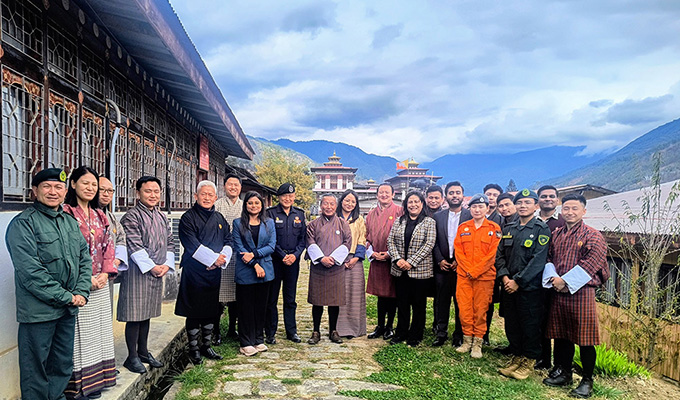
Forest fires across the Hindu Kush Himalaya are becoming a growing regional concern due to the combined effects of prolonged dry spells, changing fuel conditions, forest composition, and human ignition pressure along forest–settlement and forest–agriculture interfaces. In mountain terrain, steep slopes, poor accessibility, dispersed settlements, and seasonal water scarcity make suppression-heavy approaches increasingly costly and less effective. At the same time, wildfire smoke has emerged as a major air-quality and public-health issue, often extending beyond administrative and national boundaries. The project was designed to respond to this challenge by developing prevention-oriented, decision-grade guidance that links forest fire risk reduction with air-quality improvement, climate co-benefits, community participation, and practical implementation pathways across HKH countries.
The overall objective of the assignment is to identify and assess practical, context-specific forest fire management solutions for the HKH region that address root causes of fire, reduce associated air pollution, and generate climate and ecosystem co-benefits. The project also examines forest biomass and fuel-load management options, entrepreneurship and community-based models, policy gaps, cost-benefit dimensions, and suitable fire detection and early warning technologies integrating satellite and ground-based systems.
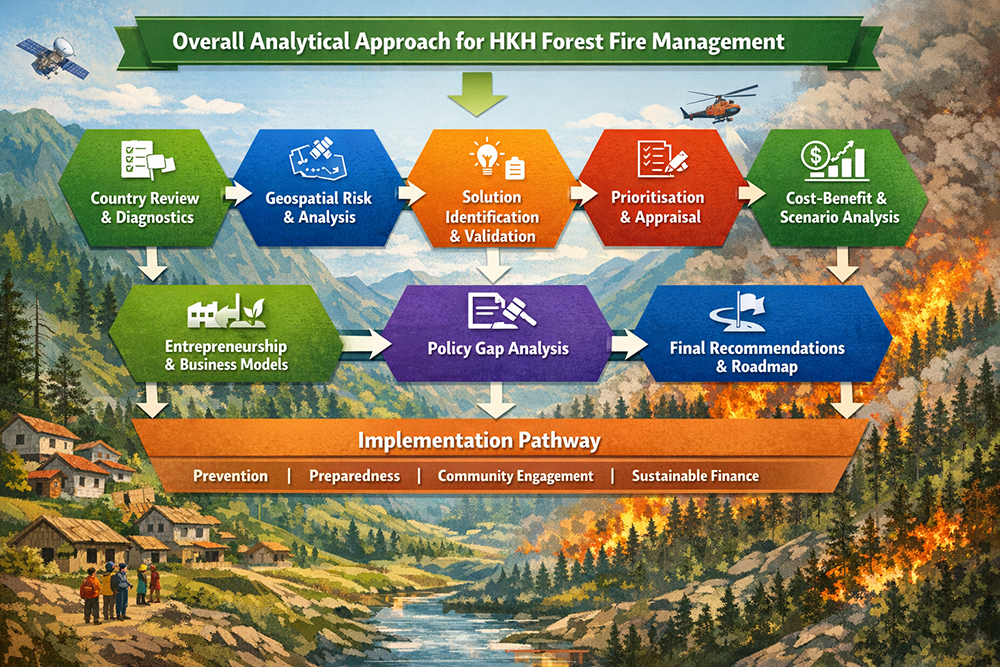
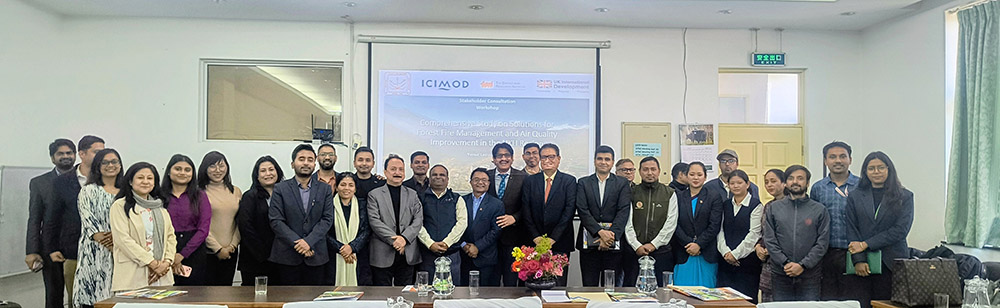
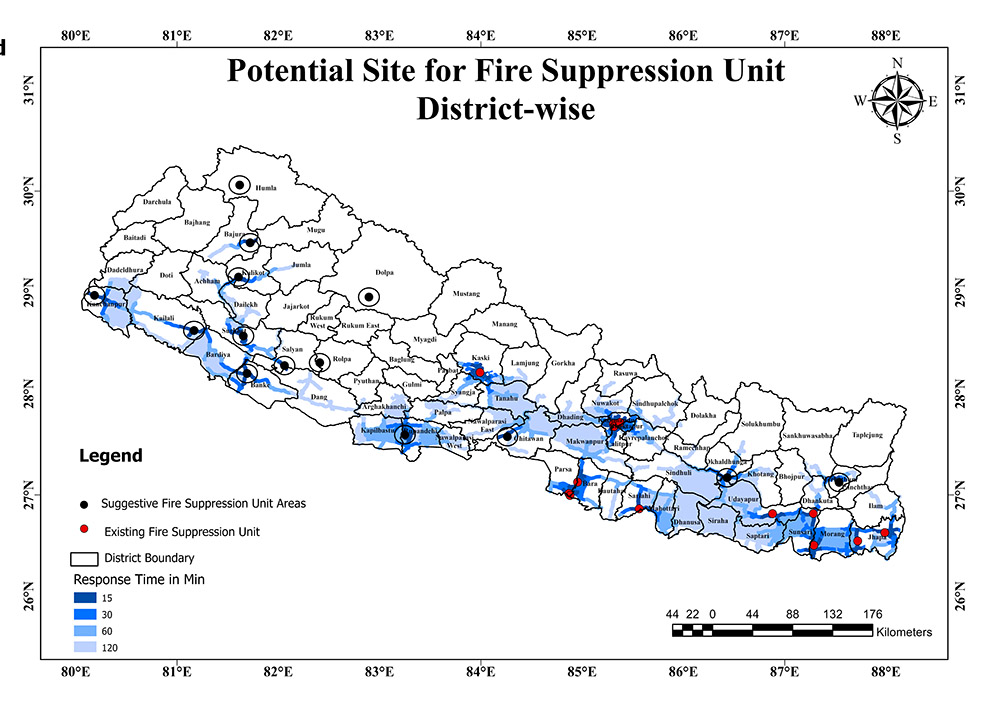
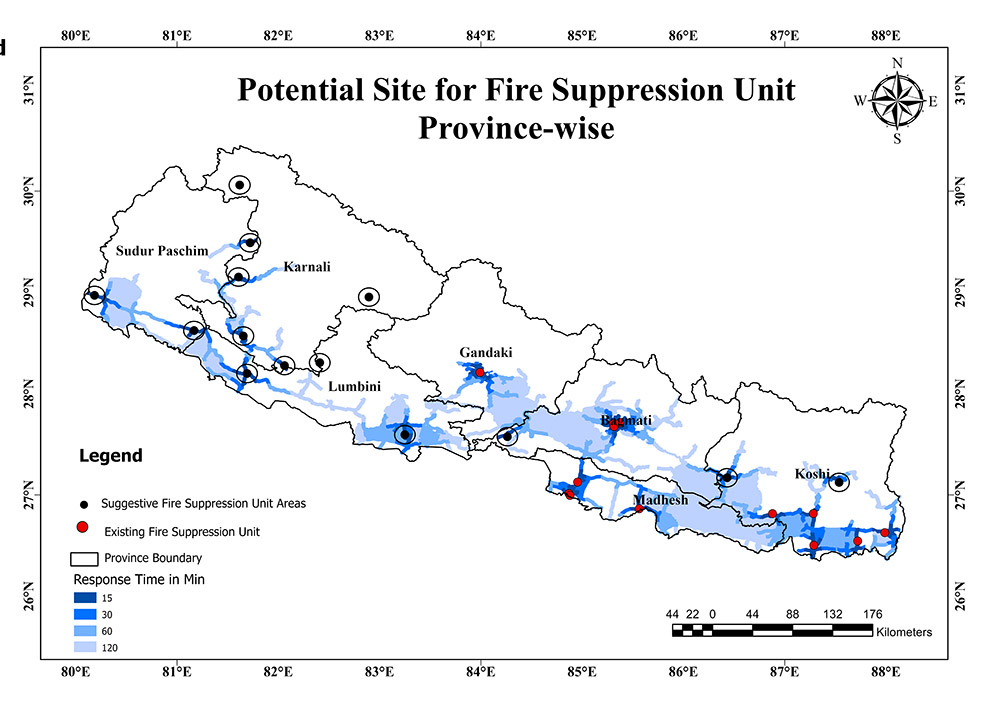
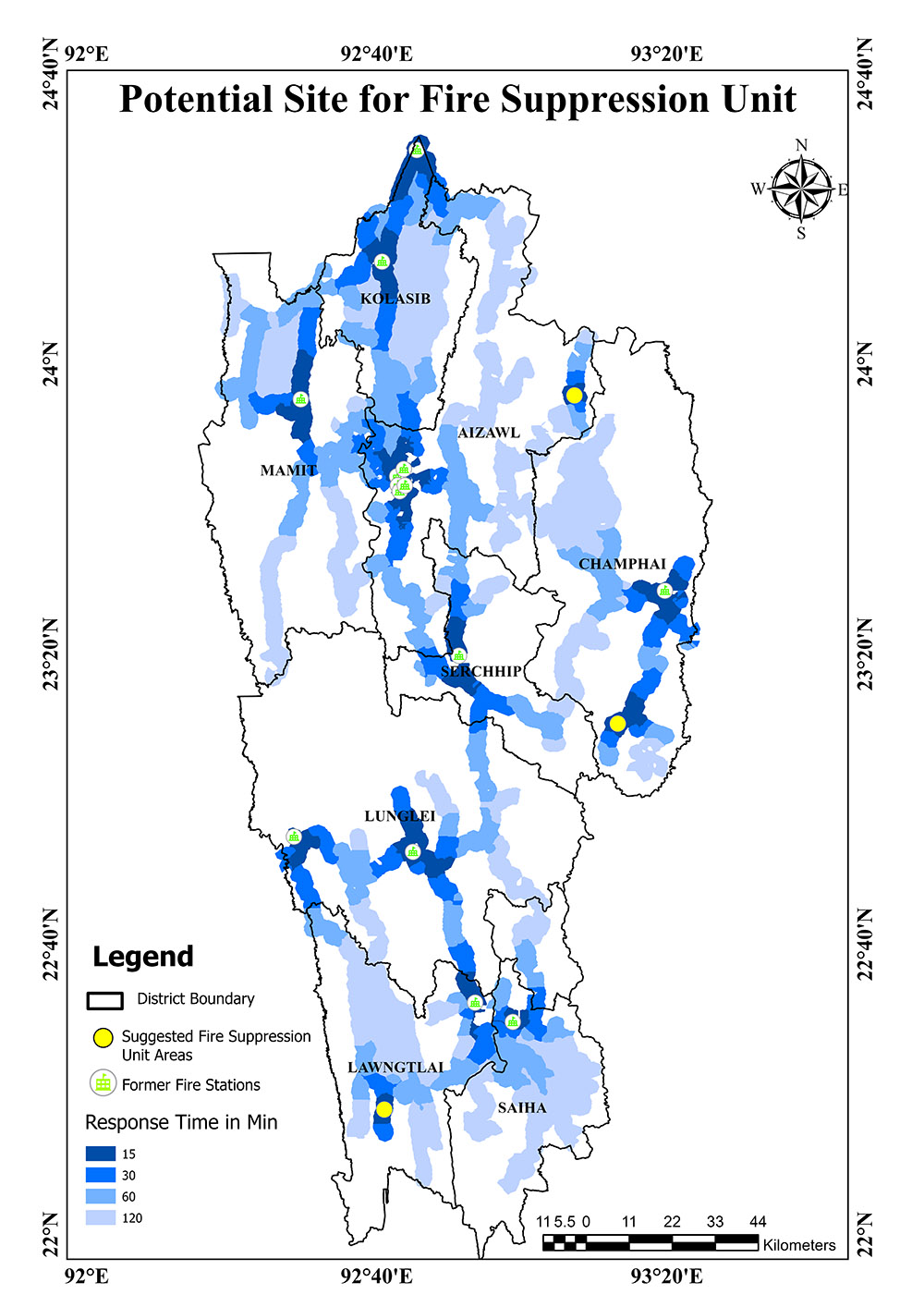
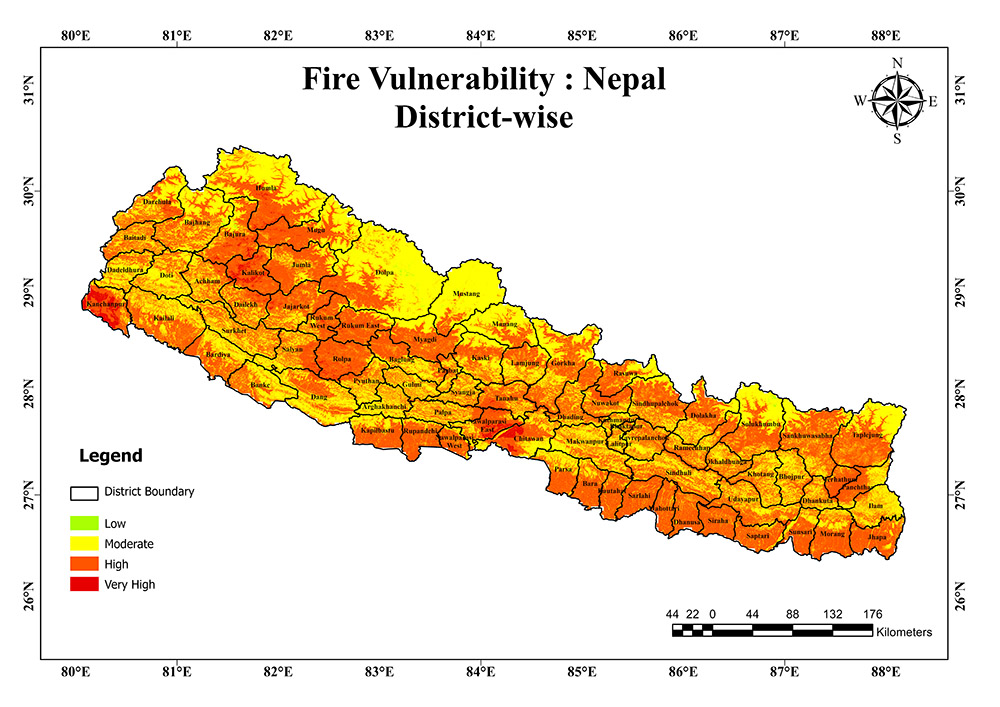
The study follows an integrated fire-cycle framework, covering prevention, preparedness, monitoring and early warning, suppression, and post-fire recovery. The methodology combines structured literature and policy review, country-wise comparative assessment, stakeholder consultations, field engagement, RS-GIS analysis, solution prioritisation, cost-benefit analysis, scenario assessment, business model analysis, and policy gap review. A major technical component of the project is the development of RS-GIS-based prototypes for Mizoram, India and Nepal, using active fire datasets and multiple environmental and anthropogenic parameters to support fire risk zonation, proximity analysis, and resource allocation planning. These prototypes demonstrate how geospatial tools can support hotspot prioritisation, response hub siting, patrol planning, and preparedness staging.
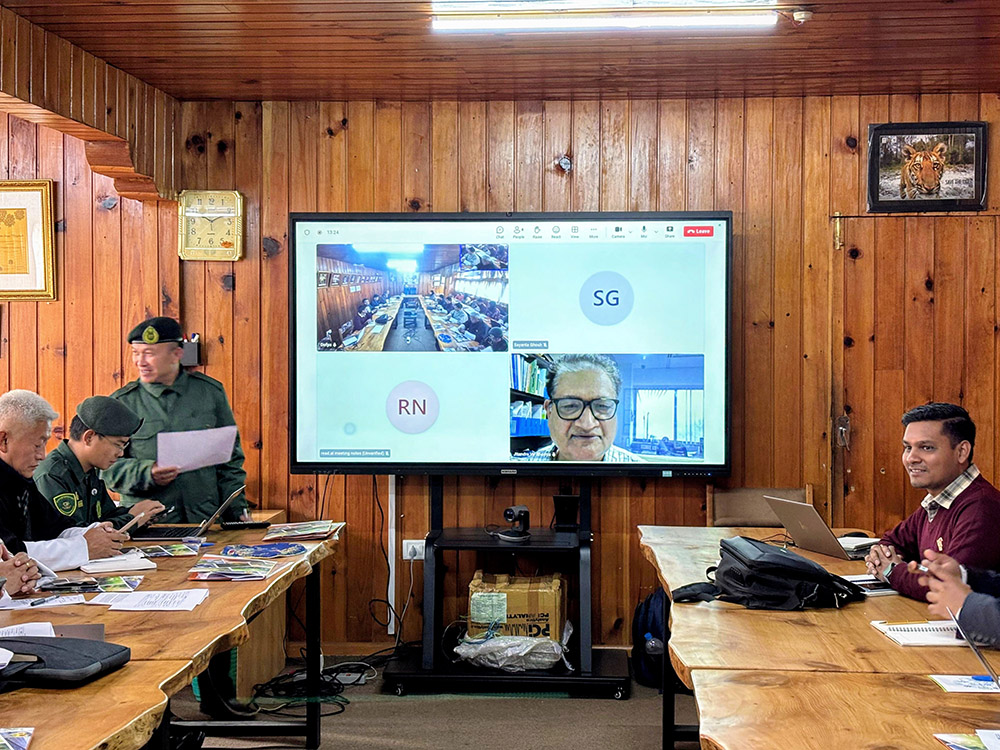
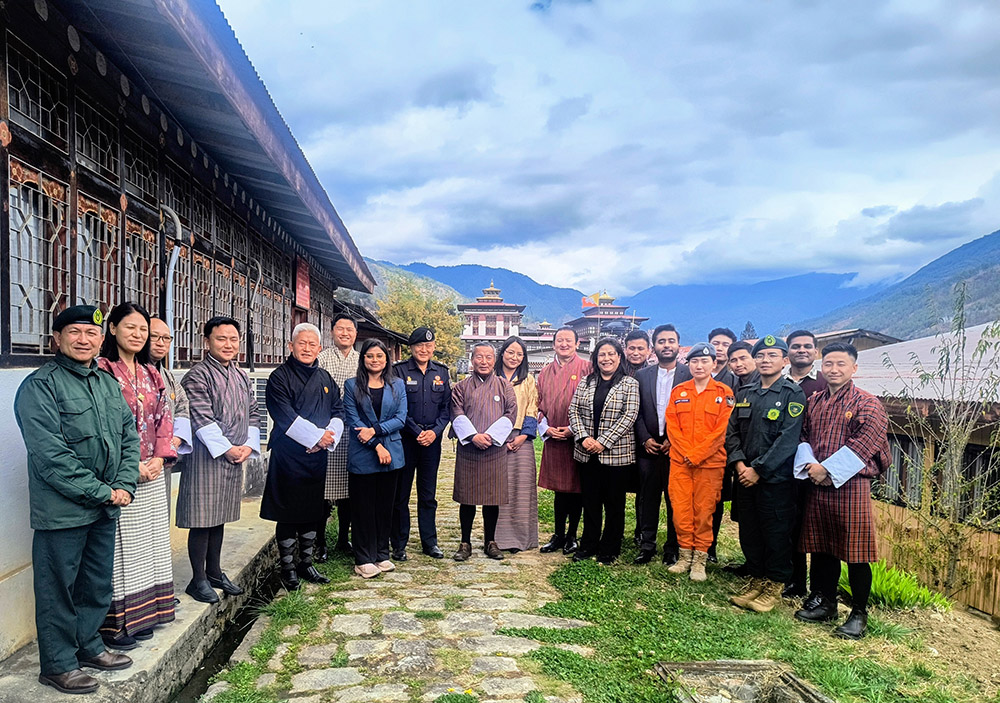
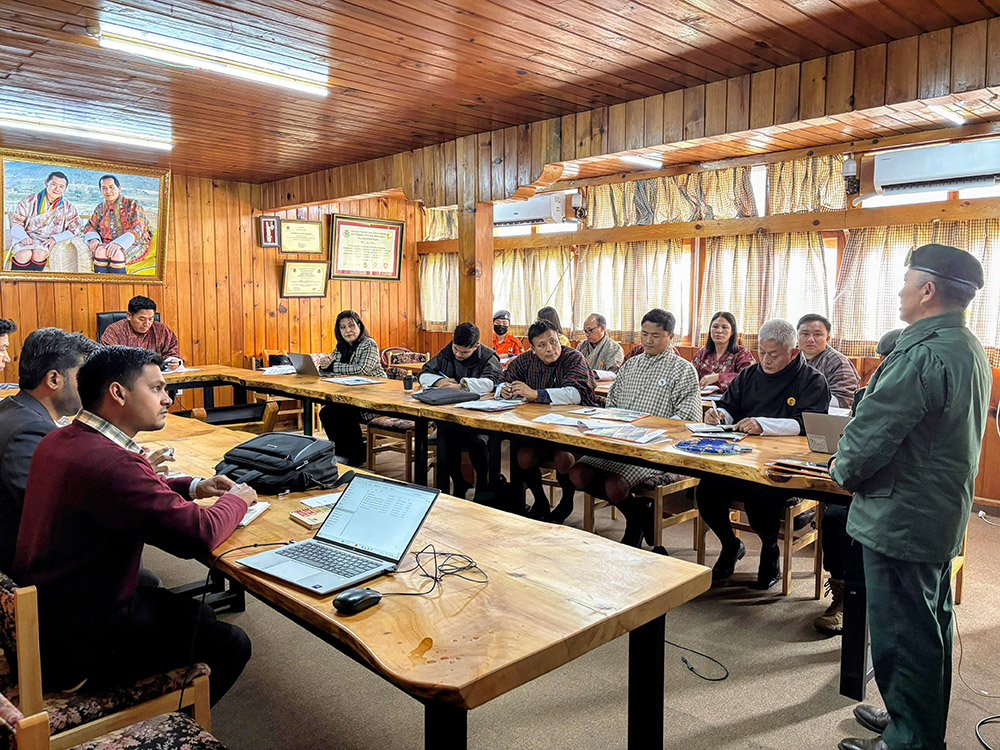
The study finds that forest fire risk in the HKH is driven by four major interacting factors: climate and fire-weather conditions, fuel and forest composition, socio-economic and anthropogenic ignition pressures, and governance or institutional constraints. A major cross-cutting issue is the weak alert-to-action chain, where satellite alerts and fire danger information do not always translate into timely field verification, dispatch, communication, and rapid mobilisation. The strongest “no-regrets” priorities identified include targeted fuel management, regular fire-line and fuel-break maintenance, improved local preparedness, strengthened community-linked prevention systems, better communication redundancy, water-access planning, and formalised protocols for linking early warning with field response. The study also highlights that communities are often the first detectors and initial responders in mountain landscapes, but their role remains inadequately supported through training, safety equipment, incentives, insurance, and formal institutional recognition. Therefore, community-linked prevention and first response need to be treated as core components of fire management, not supplementary activities.
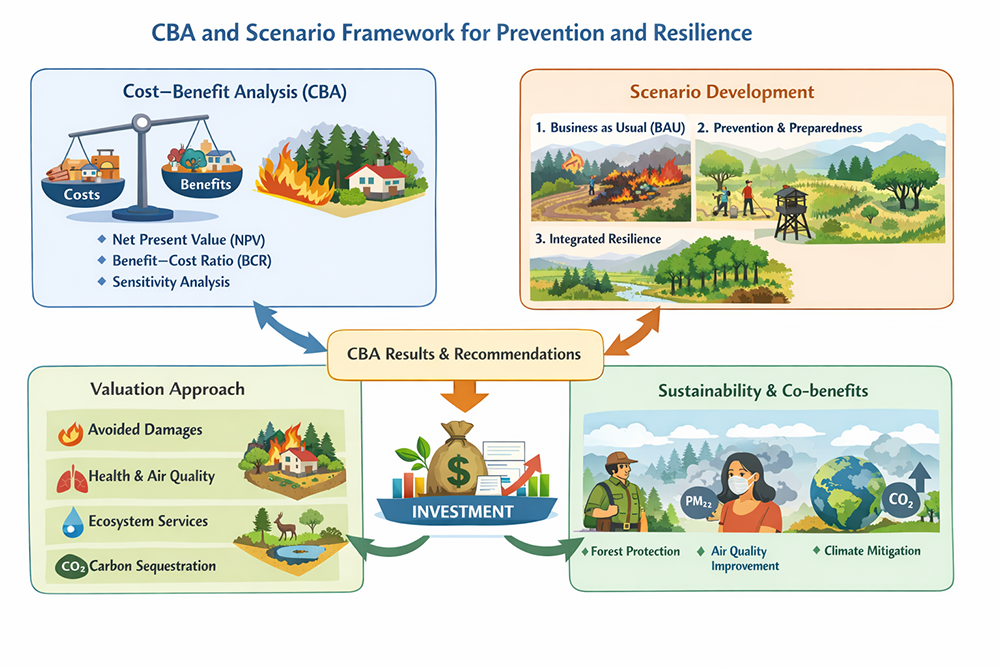
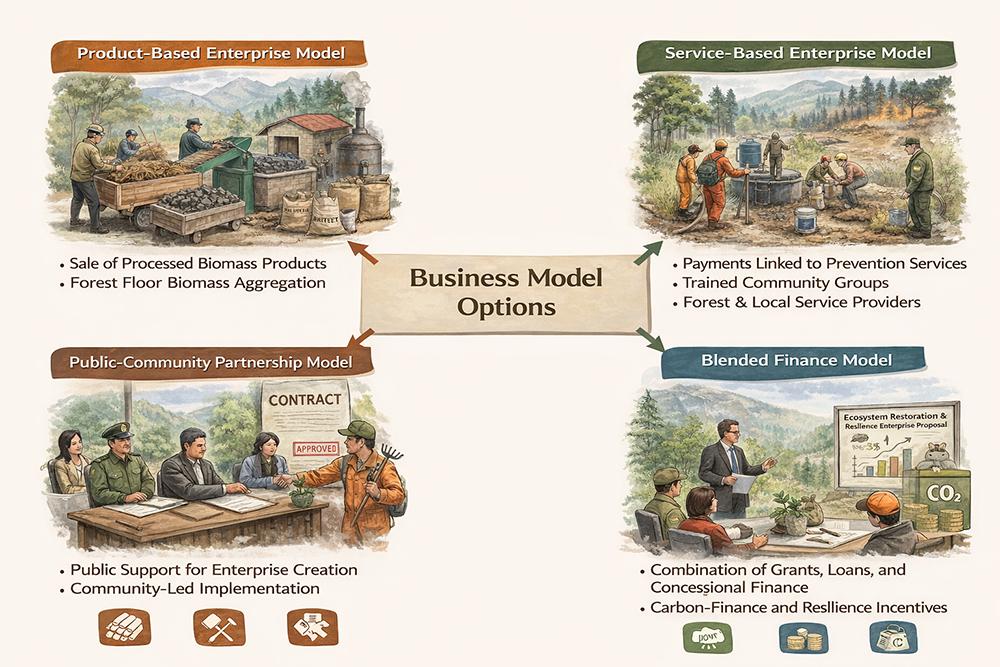
The project develops a cost-benefit and scenario-analysis framework using a Total Economic Value approach. It considers avoided suppression costs, avoided ecosystem damage, carbon and climate benefits, air-quality and health co-benefits, and livelihood-related gains. Three broad scenarios are assessed: Business-as-Usual, Sustainable Biomass and Fire Management, and an Integrated High-Investment Prevention Model. The framework treats forest sustainability as a binding condition so that biomass utilisation does not lead to over-extraction, soil exposure, erosion, or biodiversity loss.
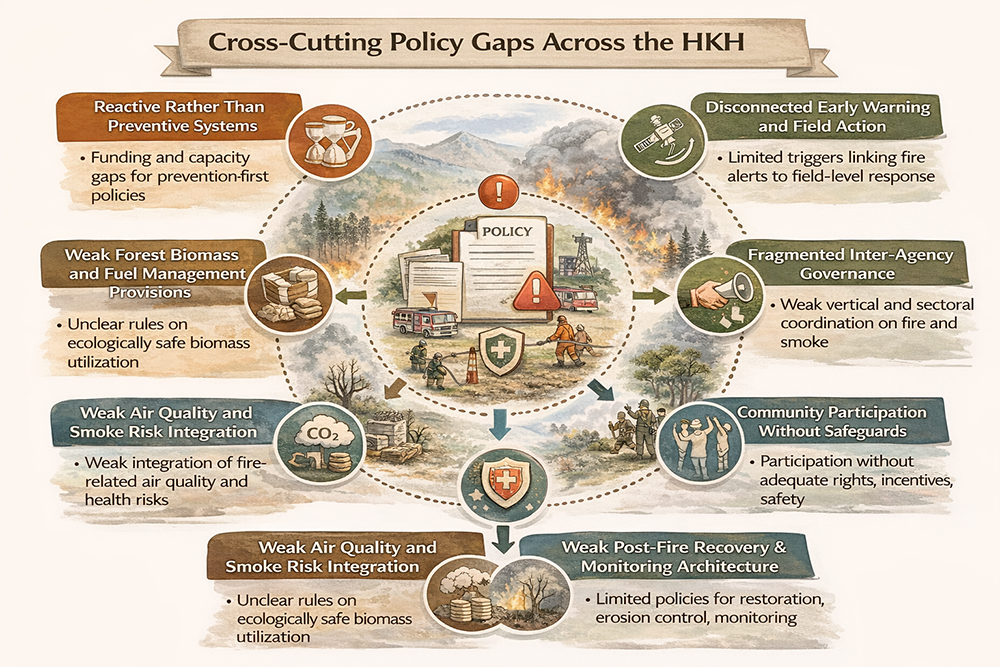
The policy gap analysis shows that the HKH region does not only face a lack of policy, but also weak policy-operational coherence, fragmented institutional coordination, limited prevention financing, insufficient integration of air-quality and health concerns, and inadequate post-fire recovery systems. The project therefore recommends stronger inter-agency coordination across forestry, disaster management, air quality, health, and local governance institutions.
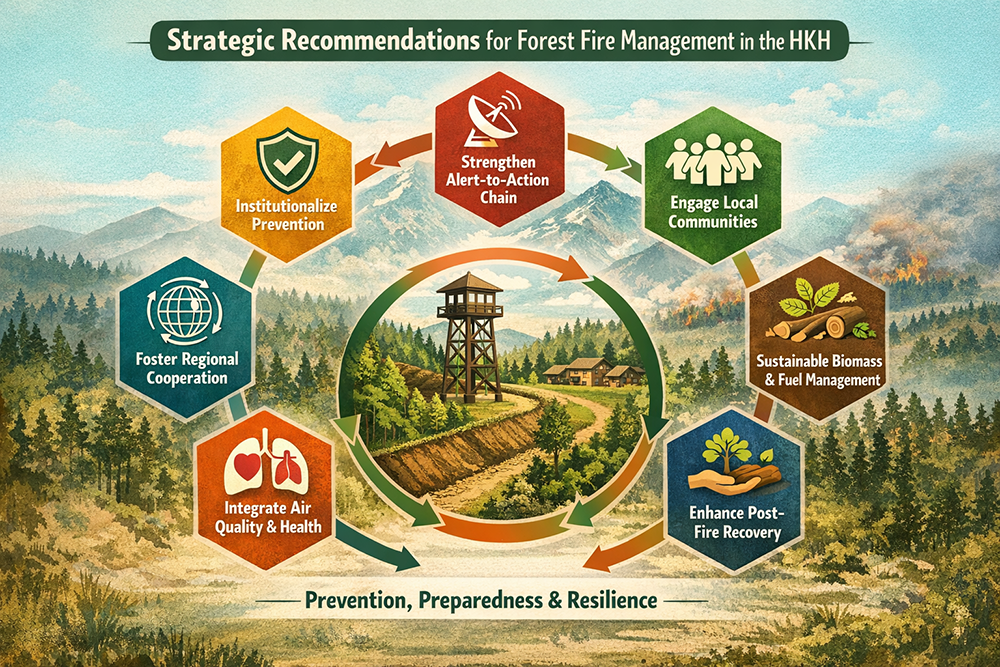
The project recommends a shift from reactive, suppression-dominated fire control to a prevention-led, community-linked, technologically enabled, and air-quality-sensitive fire management system. Immediate priorities include hotspot-focused prevention, strengthening the alert-to-action chain, formalising community-linked prevention and first response, improving field logistics, and piloting fuel-load reduction in recurrent high-risk belts. Medium-term actions include institutionalising inter-agency coordination, scaling RS-GIS-based planning tools, strengthening capacity, and developing sustainable biomass and local enterprise pathways. Long-term priorities include restoration-linked resilience, prevention-oriented financing, improved fire and smoke data systems, and regional cooperation on transboundary air-quality and fire-risk management.
This project provides a comprehensive, implementation-oriented framework for strengthening forest fire management and air-quality improvement across the Hindu Kush Himalaya. By combining regional review, country-wise diagnostics, RS-GIS-based fire risk zonation, stakeholder consultations, solution prioritisation, cost-benefit analysis, business model assessment, and policy gap analysis, the study offers a practical roadmap for moving from reactive fire suppression to prevention-first, community-centred, and climate-resilient fire governance across the HKH region.