Headquarters
The Energy and Resources Institute (TERI)
Darbari Seth Block, Core 6C,
India Habitat Centre, Lodhi Road,
New Delhi - 110 003, India
The Climate Innovators Challenge for Youth (CLICY) is a flagship initiative by Harit under HCLFoundation in collaboration with The Energy and Resources Institute (TERI) aimed at empowering college and university students across Karnataka to take meaningful climate action by encouraging young innovators to identify local environmental challenges and develop technology-driven, context-specific solutions through creative problem-solving, systems thinking, and hands-on learning.
While the programme was originally designed in 2024 to build climate change capacities among government school students in Bengaluru, it has since evolved into a youth-centric platform that emphasizes active participation through an Innovation Challenge and the Environment Innovation Centre, equipping students to become informed changemakers contributing to a climate-resilient future. Under this revised state-wide approach, TERI conducted extensive outreach across Karnataka to engage academic institutions and government bodies, generating strong interest that resulted in 206 expressions of interest and the formal participation of 45 teams comprising 175 students from 22 colleges.
To support these participants, a series of engaging programmes were implemented, including competitions, expert-led webinars, power-up workshops, and exposure visits to the Bangalore Bioinnovation Centre, culminating in a three-day CLICY Bootcamp where 100 students from 15 colleges engaged in structured ideation and mentorship. Overall, more than 250 youth benefited from these activities during the current phase, and despite various disruptions, the programme demonstrated remarkable adaptability and sustained engagement.
Looking ahead to 2026–27, strategic efforts are underway to partner with incubators and accelerators for proof-of-concept development, strengthen the Digital Climate Innovators Hub, and scale the initiative through expanded college onboarding and deeper ecosystem partnerships, firmly positioning CLICY as a robust platform for fostering long-term sustainability impact and youth-led innovation.
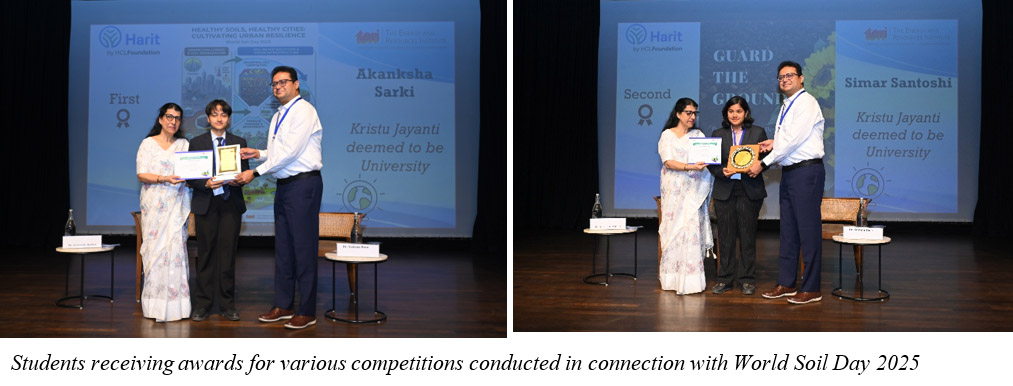
Inter-College Competitions: To further catalyze student engagement, two major competitions—World Soil Day 2025 and a Nukkad Natak (Street Play) challenge—were launched, with the World Soil Day initiative involving the design, printing, and state-wide distribution of posters to drive college participation. Following a rigorous jury evaluation, the winning entries were recognized at a formal awards ceremony held during the program’s Launch Event on March 9, 2026, at the Bangalore International Centre. In tandem with these awards, the top-performing Nukkad Natak team was invited to showcase their talent live at the launch, delivering a high-impact performance that was well-appreciated by the audience for its creative storytelling and environmental message.
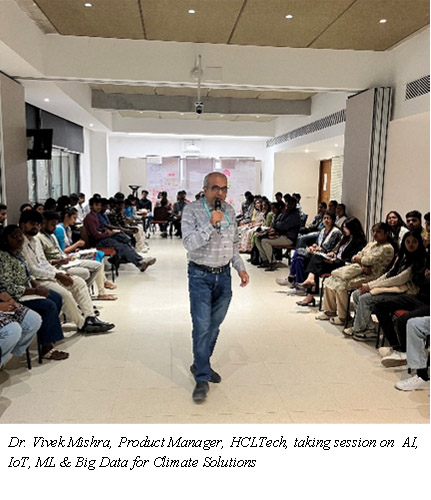
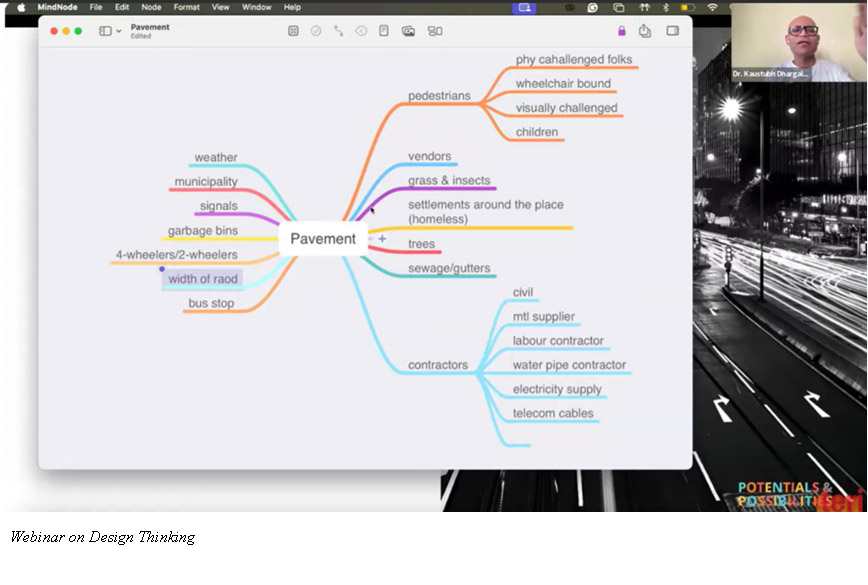
A dedicated webinar under the Innovation Dialogue Series was conducted on January 10, 2026, to immerse young learners in the methodologies of climate-focused innovation, introducing university and college students from across India to the fundamental principles of design thinking and its critical role in developing impactful solutions to pressing environmental challenges. The expert session, titled “Design Thinking and Innovation,” was delivered by Dr. Kaustubh Dhargalkar, Dean–Business Design at Innowe, NISP & Redx—a distinguished design thinking coach, serial entrepreneur, and innovation strategist, who emphasized that transformative innovation emerges at the vital intersection of user needs, technological feasibility, and business viability. By covering the key stages of the design thinking process, empathy, problem definition, ideation, prototyping, and testing—the session underscored the necessity of collaboration and multidisciplinary perspectives while providing participants with practical guidance on refining problem statements, identifying research gaps, and utilizing iterative feedback to strengthen their climate-resilient proposals.
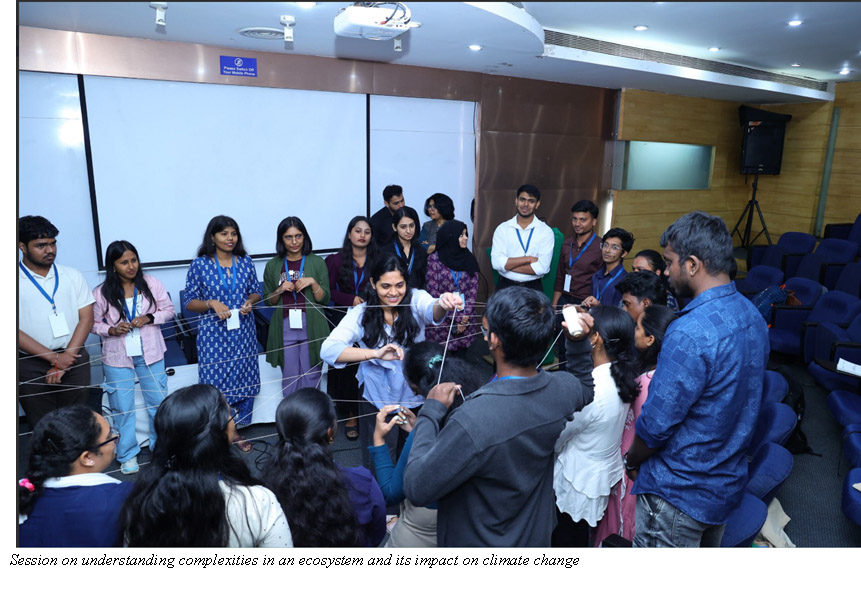
A two-day "Power Up" event was organized at the TERI Southern Regional Centre in Bengaluru on January 28–29, 2026, centered on the theme “Innovate for Impact: Youth-Led Climate Solutions,” serving as a critical preparatory engagement for the broader Climate Innovators Challenge. Designed to bridge the gap between theoretical knowledge and practical application, the workshop strengthened participants’ understanding of complex environmental issues while introducing them to innovation pathways essential for translating conceptual ideas into impactful, real-world solutions. Through a strategic combination of interactive sessions, hands-on activities, and expert-led discussions, the event enhanced the problem-solving, critical thinking, and systems-thinking capabilities of students from diverse academic backgrounds across Karnataka. By encouraging participants to move beyond general climate awareness toward practical, innovation-driven action, the workshop fostered an environment of enthusiastic collaboration and creativity, ultimately equipping the next generation of leaders to drive meaningful, youth-led climate resilience.
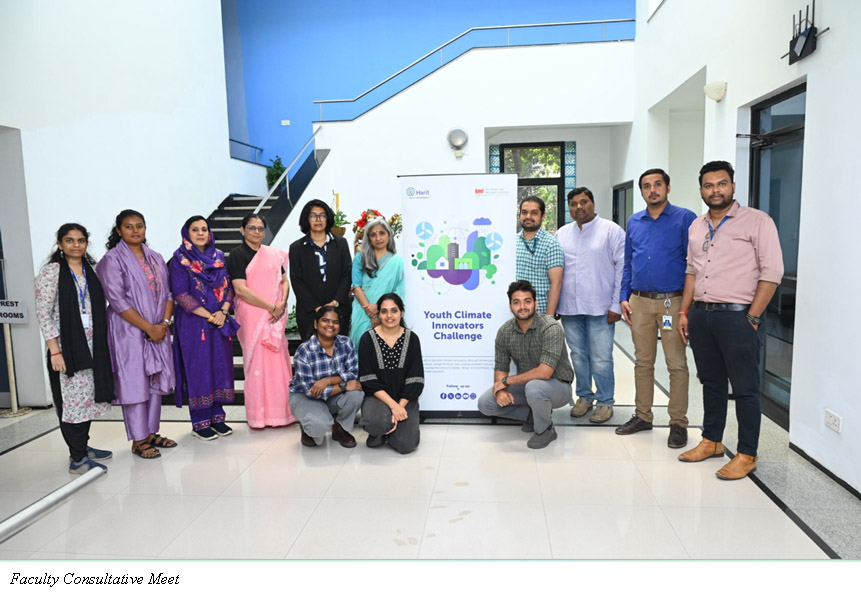
An Exclusive Faculty Interaction was held on February 17, 2026, at TERI’s Southern Regional Centre in Bengaluru, with the primary objective of engaging academic stakeholders in a deeper dialogue to strengthen institutional participation within the climate innovation landscape. Bringing together 30 faculty members from 15 colleges across Karnataka representing diverse disciplines, the session was anchored around the theme “Empowering Educators to Nurture Youth Climate Innovators” and designed to familiarise attendees with the vision, structure, and learning outcomes of the Climate Innovators Challenge for Youth (CLICY). A central emphasis of the interaction was highlighting the pivotal role of educators in catalyzing student innovation through mentorship, academic guidance, and the integration of climate-focused problem-solving within existing institutional ecosystems. Beyond a standard programme orientation, the event served as a consultative platform where faculty members shared critical insights on mechanisms to encourage sustained student participation and explored ways in which academic institutions can actively mentor student teams throughout their innovation journey. The programme further focused on equipping educators with the tools to support students in developing interdisciplinary and technology-enabled climate solutions while fostering long-term engagement through faculty-led mentoring and institutional collaboration, ultimately aiming to build shared ownership and recognize faculty not merely as facilitators, but as essential co-creators in shaping a robust, impactful, and inclusive youth climate innovation ecosystem.
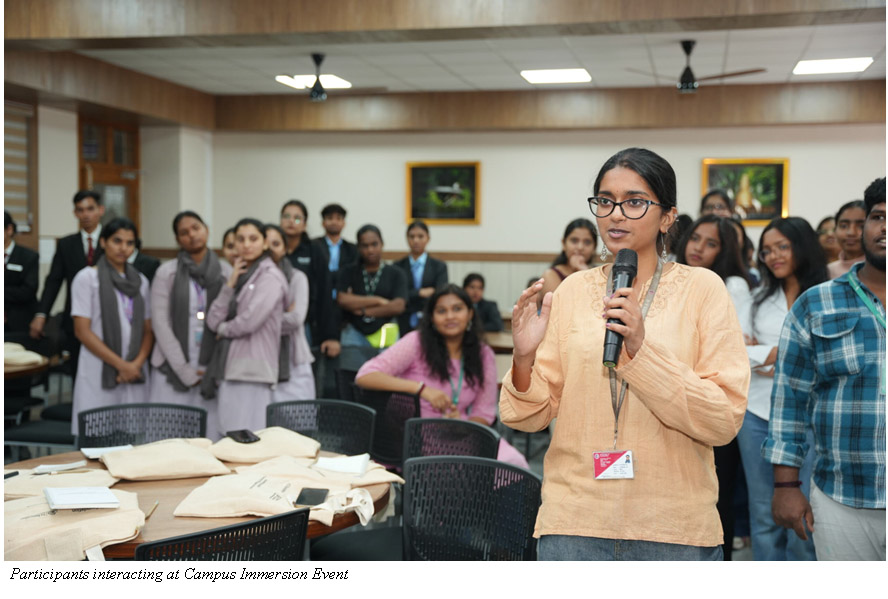
A half-day Campus Immersion Event was organised on March 2, 2026, at St. Claret College (Autonomous) in Bengaluru, bringing together 74 students from 11 colleges across Karnataka to serve as an interactive platform for engaging youth in climate dialogue while fostering innovation and leadership. Designed to introduce participants to structured pathways for climate action, the programme highlighted emerging opportunities and diverse career prospects within the sustainability sector, ensuring that students recognized the professional viability of environmental stewardship. The event followed a participant-centred approach, utilizing a series of thoughtfully designed sessions that encouraged active involvement and were structured to progressively build institutional understanding—guiding students from initial reflection to deeper analysis and practical solution-building. By enabling participants to clearly recognise their pivotal role in addressing climate challenges, the immersion event successfully bridged the gap between academic learning and real-world application, empowering the next generation of informed changemakers to drive impactful environmental action.
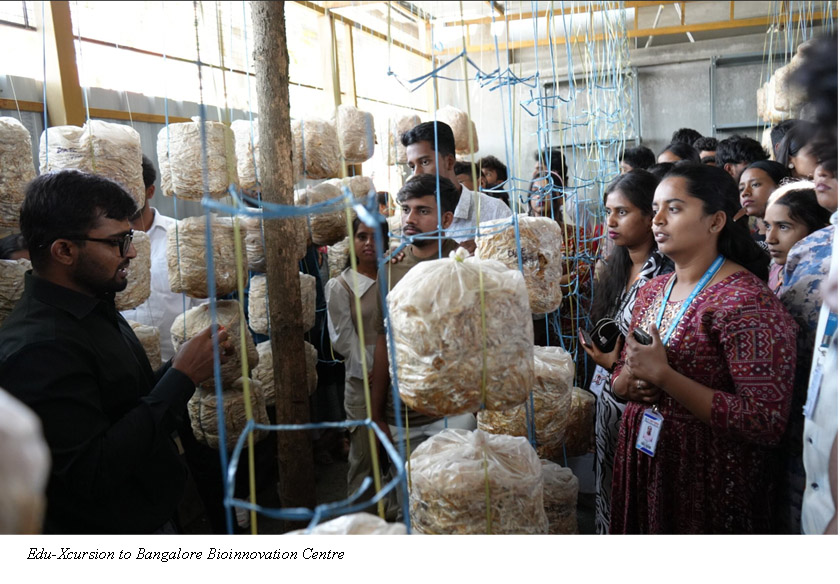
Participants of the CLICY initiative were hosted for a dedicated "EduXcursion" on March 4, 2026, at the Bangalore Bioinnovation Centre (BBC) to provide them with essential first-hand exposure to real-world technologies and the regional innovation ecosystem. Designed to familiarise young innovators with complex bioinnovation processes, the programme underscored the critical role of science and technology in addressing intertwined climate, health, and agricultural challenges. Through a series of curated sessions and guided facility tours, students gained deep insights into advanced research infrastructure and structured innovation pathways, tracing the rigorous journey from initial conceptualization to practical implementation. By exploring these interdisciplinary approaches and emerging innovation-led careers, the excursion successfully equipped participants with a clearer understanding of how biotechnology can be leveraged as a powerful tool for building long-term environmental and social resilience.
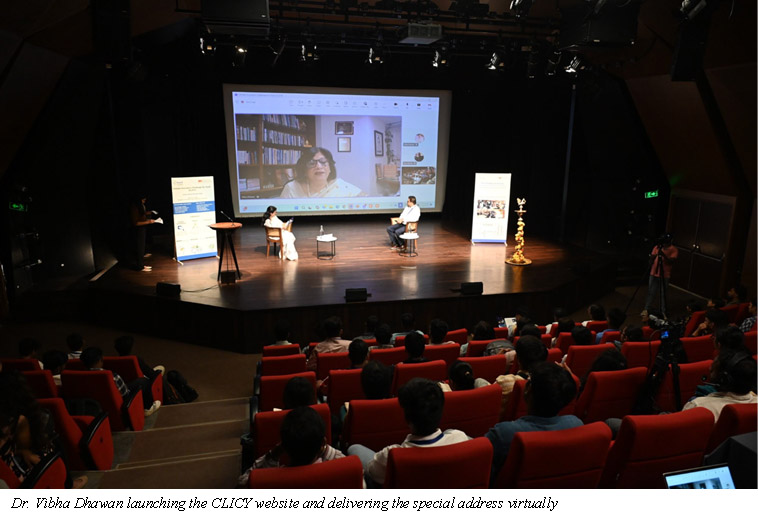
The Climate Innovators Challenge for Youth (CLICY) was formally launched on 9 March 2026, alongside the unveiling of its dedicated programme website. The ceremony was graced by distinguished guests, including youth participants and faculty members. A special address was delivered by Dr. Vibha Dhawan, Director General, TERI (Virtual Presence). Dr Dhawan mentioned the transformative change in the environment education landscape and emphasized need for integration of sustainability into mainstream education and collaboration between institutions, communities, and policymakers.
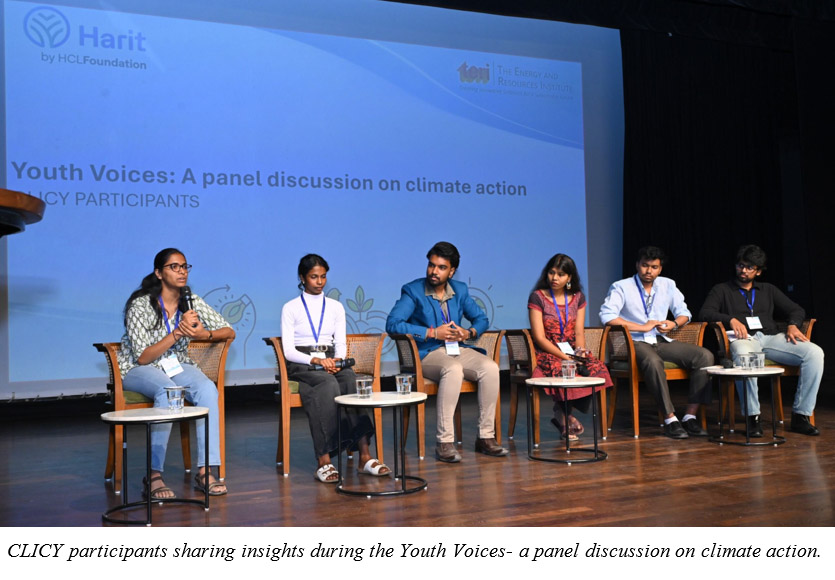
Dr Santanu Basu, Project Director, HCLFoundation, on the occasion spoke about HARIT’s initiatives and its impact in promoting environmental awareness and sustainable practices at the grassroots level. Winners of the competitions were also facilitated during the event. The event brought together creative expression and dialogue through a nukkad natak on environmental issues by the winning team, followed by a compelling panel discussion, “Youth Voices: Climate Action”. The CLICY Challenge had earlier been announced in November 2025, inviting youth teams from across the country to submit 4–5‑minute video pitches presenting locally relevant environmental challenges and their preliminary ideas for addressing them.
The call for participation received an enthusiastic response, with expressions of interest from 206 young participants across India. Following an initial screening and registration process, 45 teams comprising 175 students from 22 colleges successfully registered and submitted their video pitch entries. Building on this momentum, a three‑day CLICY Bootcamp was conducted from 9–11 March 2026, with a strong focus on ideation, problem framing, and capacity building. The Bootcamp was designed to strengthen the participants’ ability to critically analyse environmental challenges and translate them into innovative, solution-oriented concepts. Expert-led sessions targeted key skills such as systems thinking, solution design, and innovation development, enabling participants to refine both their problem statements and proposed interventions.
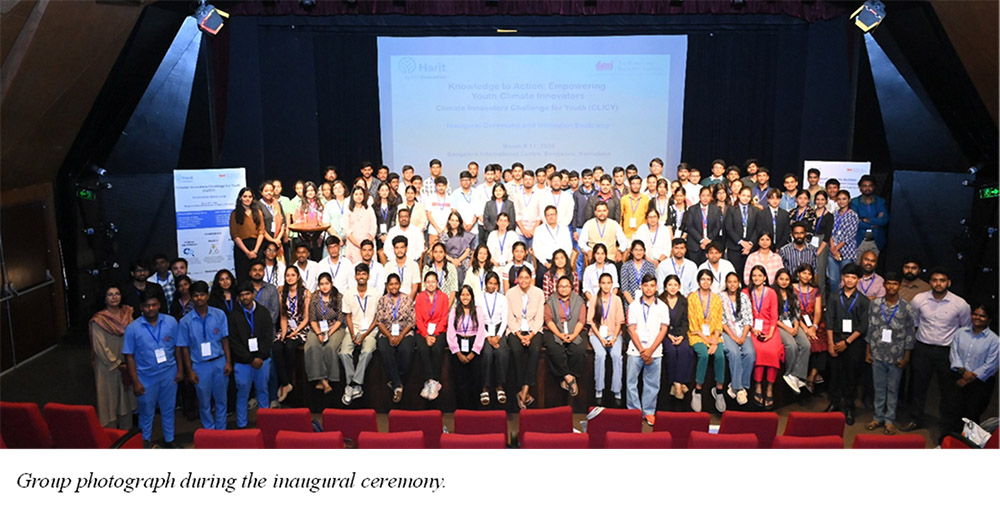
The Bootcamp engaged 100 selected participants from 15 colleges, offering structured mentorship, expert guidance, and peer learning opportunities. Through interactive sessions and hands-on exercises, student teams were supported in evolving their initial ideas into more robust, actionable, and innovation-driven climate solutions. Following the Bootcamp, participants submitted their refined proposals on 31 March 2026, marking the completion of the ideation and capacity-building phase of the Challenge.