Headquarters
The Energy and Resources Institute (TERI)
Darbari Seth Block, Core 6C,
India Habitat Centre, Lodhi Road,
New Delhi - 110 003, India
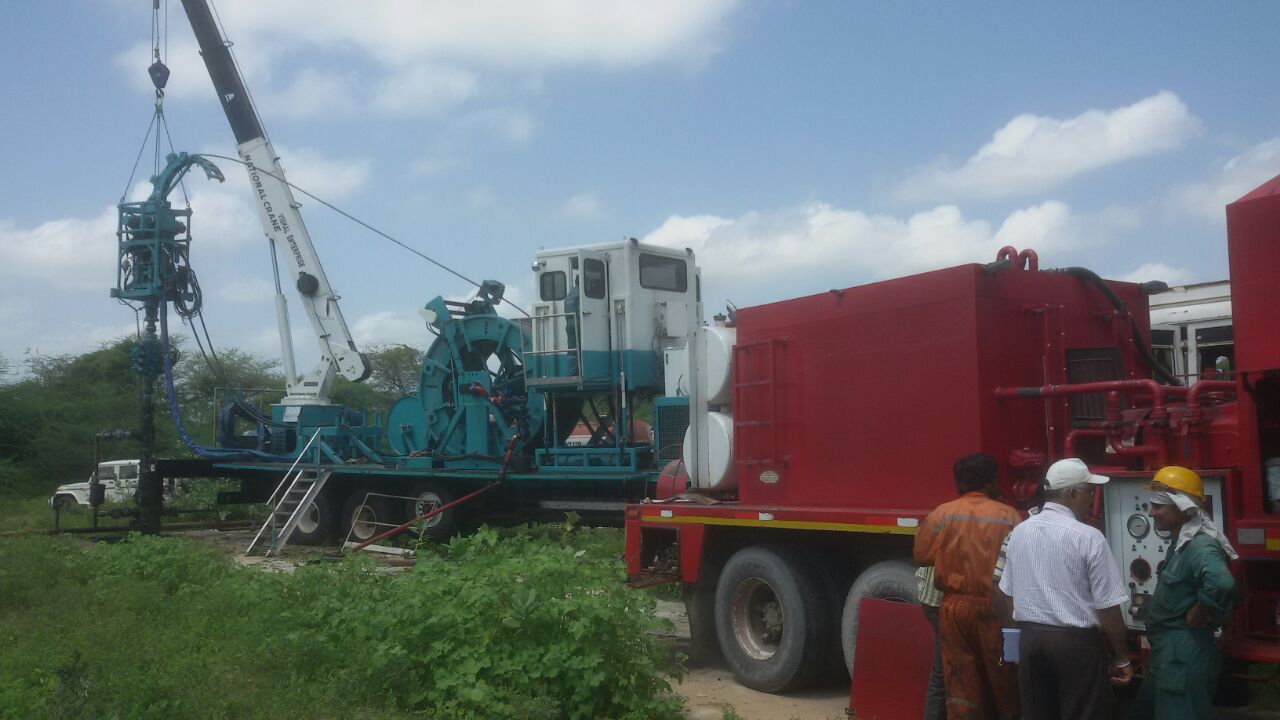
Paraffin deposition is a major operational challenge in oil production systems. At temperatures below 30°C, paraffinic crude begins to precipitate, leading to progressive build-up on tubing and flowlines. This results in restricted flow, increased pressure, and eventual blockage, causing significant production losses and higher maintenance costs worldwide.
Conventional mitigation approaches, such as thermal treatment, chemical solvents, and mechanical scraping, are expensive, environmentally hazardous, and often require frequent shutdowns, impacting operational efficiency.
TERI and ONGC-IRS jointly initiated the research work in 1999 and developed a sustainable and cost-effective biotechnological solution for paraffin control using a specialized paraffin-degrading microbial strain (PDS-10). The same was launched in 2005. This mesophilic consortium degrades deposited paraffin in situ, restoring flow without the need for harsh chemicals or frequent mechanical intervention. The technology is protected through a joint patent.
The technology has been deployed across ONGC assets under a long-term collaboration framework and is being commercialized through ONGC TERI Biotech Ltd (OTBL).