Headquarters
The Energy and Resources Institute (TERI)
Darbari Seth Block, Core 6C,
India Habitat Centre, Lodhi Road,
New Delhi - 110 003, India
The Mission for High Impact Areas (MAHA) program, under the Anusandhan National Research Foundation (ANRF), is a priority-driven initiative designed to address urgent scientific and technological challenges through targeted, high-impact solutions. Unlike general research mandates, MAHA fosters a collaborative ecosystem, bringing together researchers and academicians from diverse fields to leverage collective expertise, drive innovation, and deliver tangible results.
ANRF has identified Electric Vehicle (EV) mobility as a primary focus under the MAHA program. The objective of the “MAHA–EV” mission is to foster a self-reliant and globally competitive ecosystem that accelerates both advanced research and the large-scale adoption of EVs in India.
This comprehensive mandate spans the entire EV value chain, including:
The project Grid Readiness for EV Enablers and Technological Developments (GREET) focuses on the seamless integration of EVs into the national power grid. By addressing critical technical, societal, and policy challenges, GREET aims to catalyze India’s transition to clean and sustainable mobility while ensuring the stability of our energy systems.
This EV transition is more than a technological shift; it is a profound socio-economic opportunity. As India pursues a cleaner, more efficient mobility ecosystem, it is imperative that this transformation is inclusive.
An inclusive mobility ecosystem goes beyond environmental targets—it demands equitable and affordable access to transport systems while creating sustainable livelihoods for all. This transition aims to dismantle societal barriers that might otherwise prevent marginalized groups from benefiting from the green economy.
The emerging EV sector requires a dynamic and evolving set of skills. To ensure the Indian workforce is prepared, this study undertakes a systematic skill gap assessment. This analysis examines the alignment between emerging EV-related roles and current workforce capabilities.
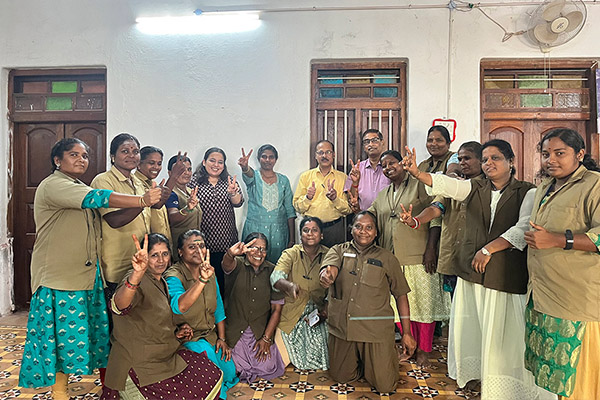
A central focus of this assessment is identifying barriers and enabling pathways for the inclusion of women and Persons with Disabilities (PwDs), ensuring that the future of Indian mobility is as diverse as it is sustainable.