Headquarters
The Energy and Resources Institute (TERI)
Darbari Seth Block, Core 6C,
India Habitat Centre, Lodhi Road,
New Delhi - 110 003, India
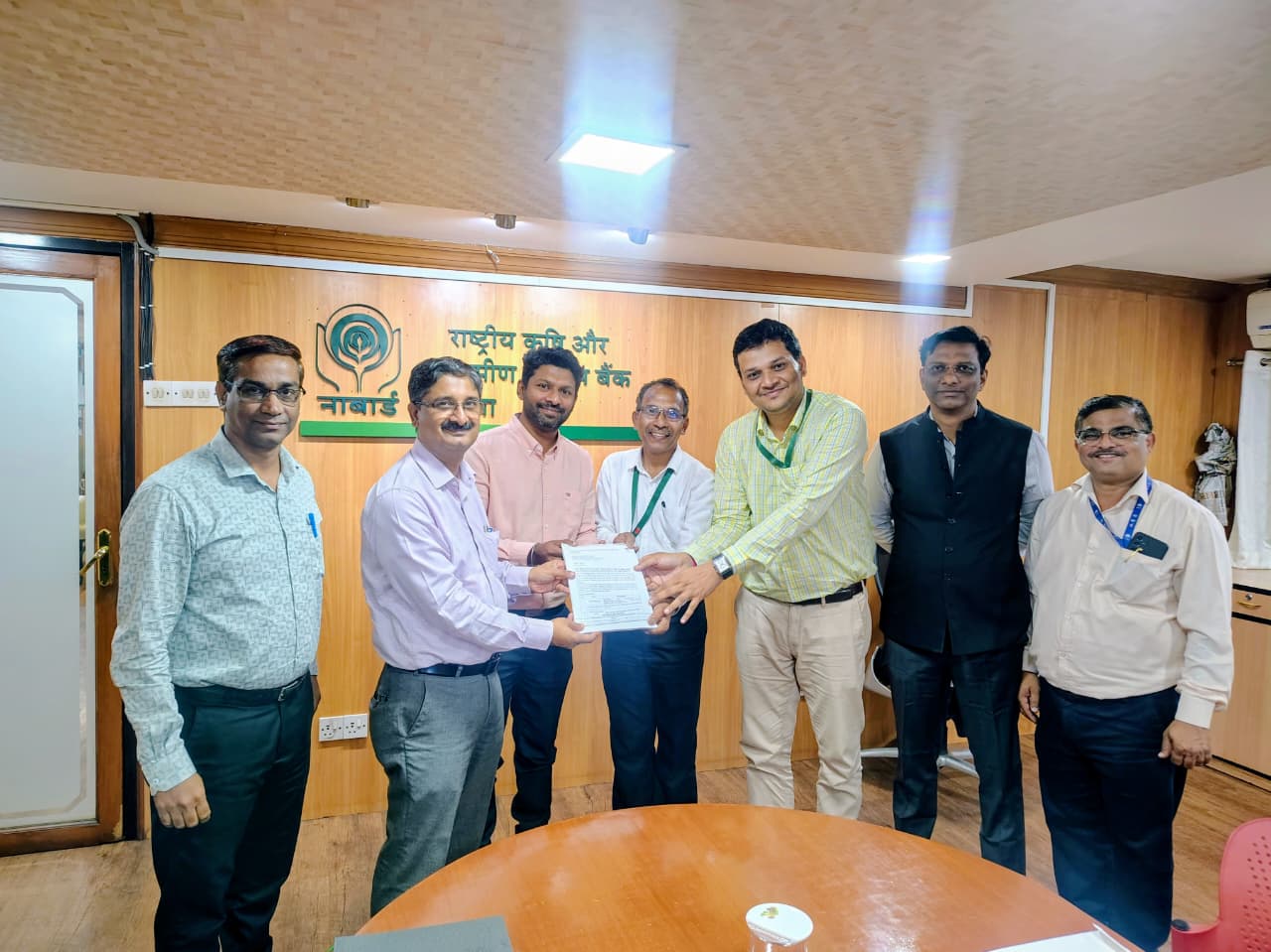
The Energy and Resources Institute (TERI) is spearheading an initiative to promote Farmers Producer Organisations (FPOs) among beekeepers and tribal farmers in Goa. Recognizing that pollination is a vital ecosystem service, this project aims to leverage apiculture to enhance food security, improve local livelihoods, and preserve the biodiversity of the region.
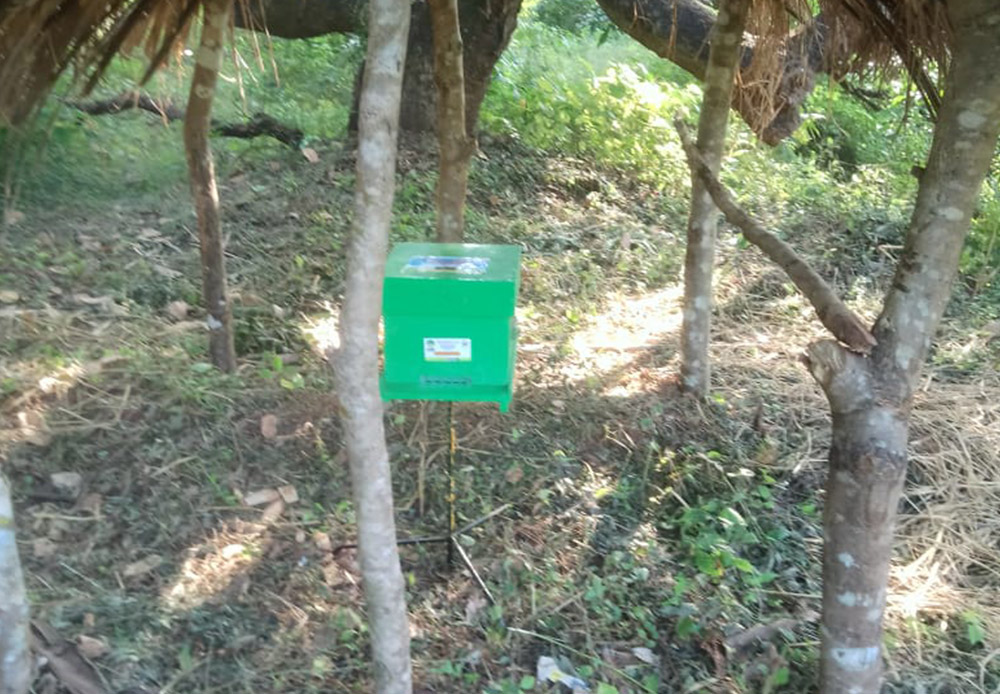
The Landscape and Tradition The talukas of Goa situated within the Western Ghats and its foothills are home to diverse honeybee populations, including the Indian bee (Apis cerana indica) and various species of stingless bees. Traditionally, tribal communities in these areas have been "honey hunters," harvesting from rock bees and rearing stingless bees in bamboo poles or earthen pots for household consumption.
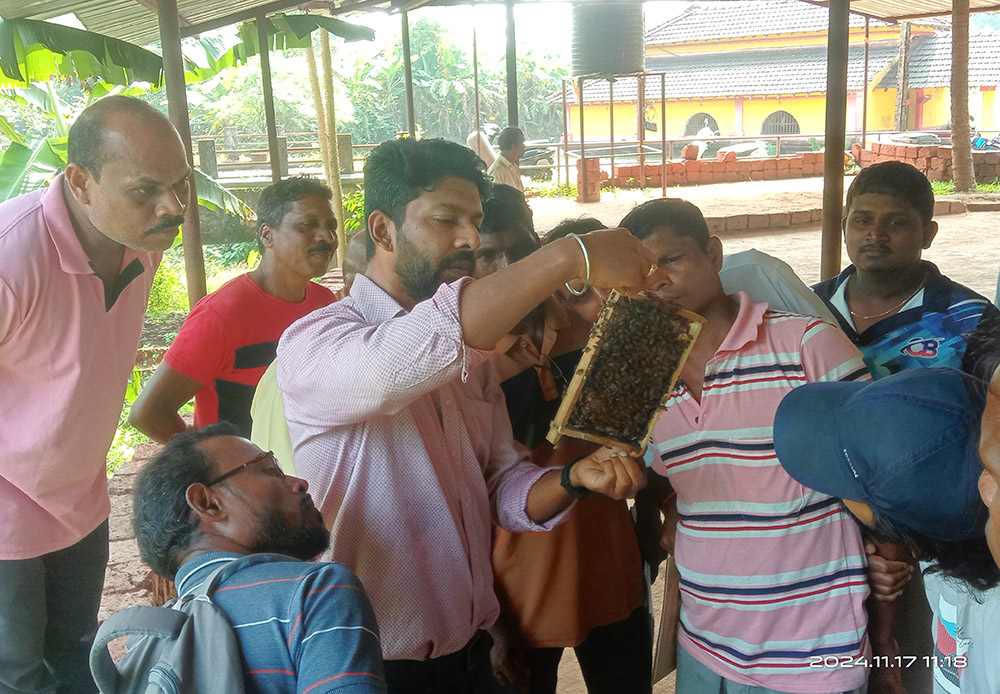
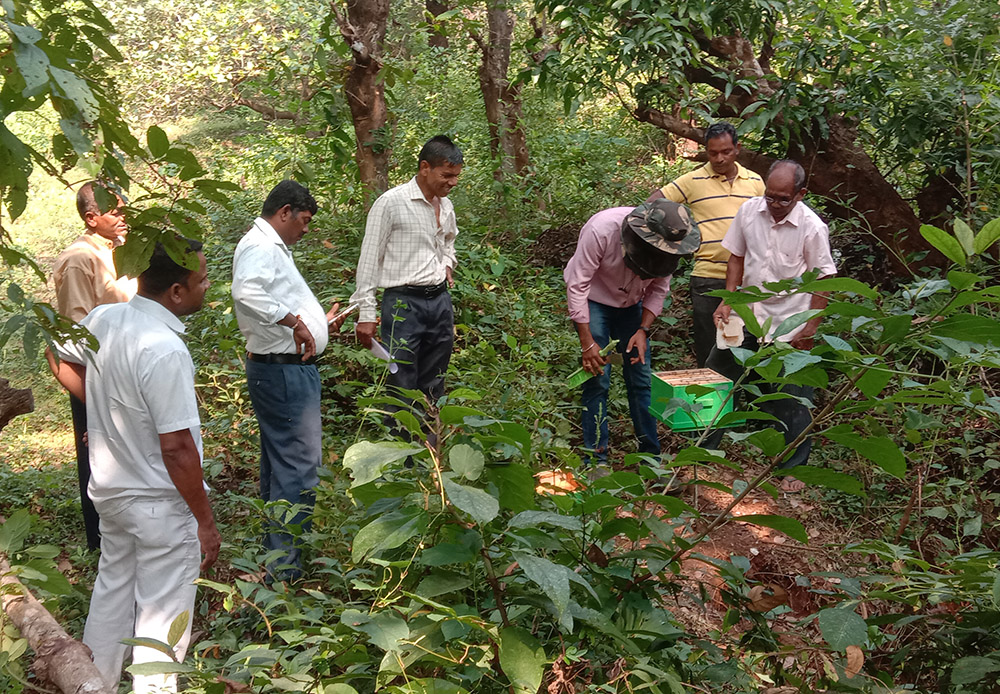
This project seeks to transition these traditional practices into sustainable, modern apiculture. By introducing scientific stingless beekeeping techniques and standardized bee boxes, the initiative empowers farmers to achieve higher honey yields while utilizing bees as essential pollinators for local agriculture.
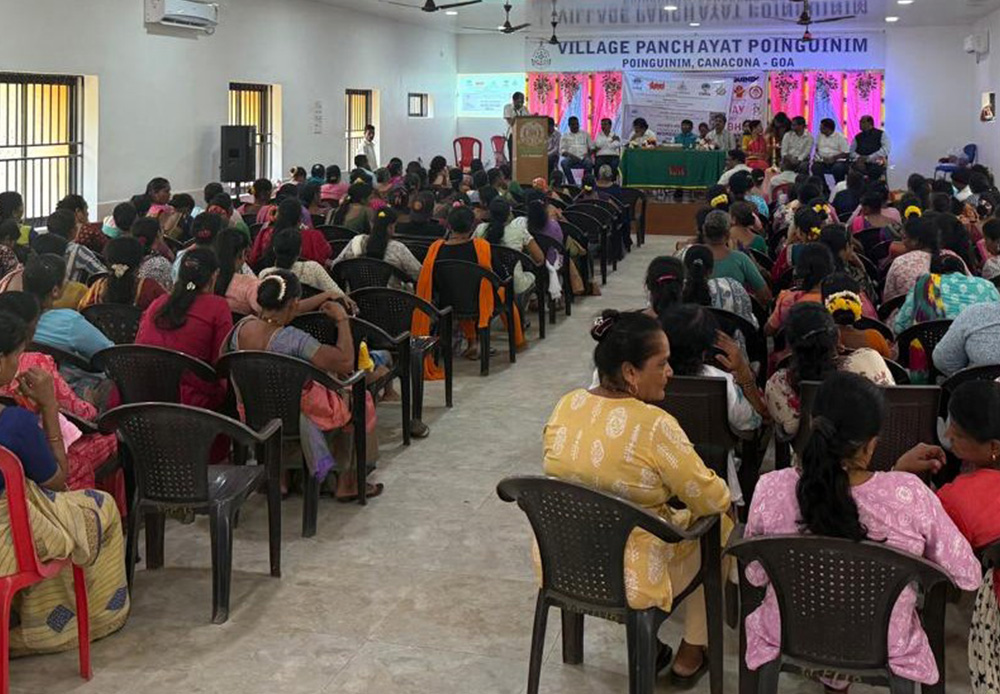
The primary goal is to form and support a dedicated Beekeeping Honey Cluster FPO comprising tribal and smallholder farmers. The project is structured across four key phases:
Through this eco-friendly initiative, TERI aims to foster income generation and self-reliance among Goa’s tribal communities. By diversifying livelihoods through sustainable apiculture, the project ensures that the conservation of the Western Ghats goes hand-in-hand with the economic empowerment of its traditional custodians.