Headquarters
The Energy and Resources Institute (TERI)
Darbari Seth Block, Core 6C,
India Habitat Centre, Lodhi Road,
New Delhi - 110 003, India
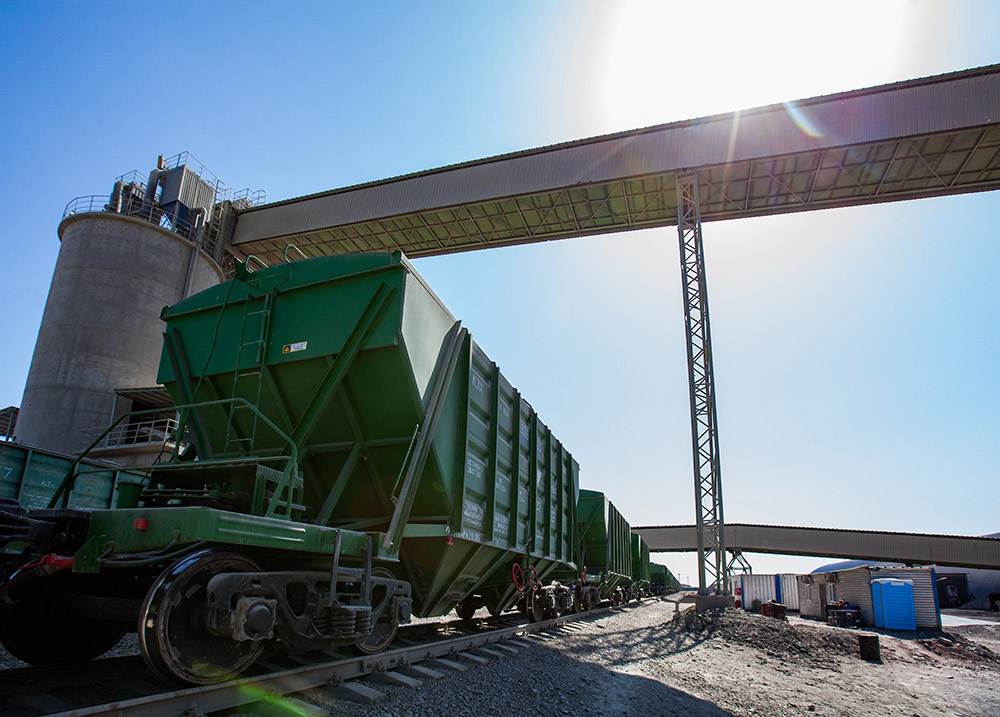
India generated about 342 million tonnes of fly ash in 2025-26, out of which Indian Railways transported about 13 million tonnes, accounting for nearly 4 per cent of the total fly ash generated. Given its fine particle size (0.3-250 microns), fly ash can easily become airborne, posing significant environmental and public health risks. Transforming fly ash from a potential pollutant into a valuable resource requires sustainable utilization pathways supported by efficient, safe, and environmentally responsible transportation systems.
To explore solutions for improving fly ash utilization and transportation, the Railway Board and NTPC jointly organized the National Conference on Fly Ash Utilization and Transportation on 25 August 2025. TERI served as the knowledge partner for the conference and subsequently prepared the report, Fly Ash Utilization and Transportation: Increasing Rail Share in Fly Ash Transportation, based on the deliberations and recommendations emerging from the conference. The report brings together perspectives from a wide range of stakeholders, including representatives from Central Ministries, state and private power generation companies, cement manufacturers, brick and construction material industries, logistics providers, and fly ash users.
The report examines the current landscape of fly ash generation, utilization, and transportation in India while highlighting the operational, economic, and environmental advantages of rail-based transport over road movement. Increasing the share of rail in fly ash transportation can reduce logistics costs, lower greenhouse gas emissions, improve transportation efficiency, and enable the safe movement of large volumes over longer distances, thereby supporting India's circular economy and sustainable freight objectives.
The report identifies the key challenges constraining large-scale movement of fly ash by rail and highlights the need for enabling infrastructure and institutional mechanisms. It recommends the development of dedicated rail terminals and multimodal logistics hubs, expansion of depot infrastructure, deployment of customized wagons and containers, adoption of innovative logistics models, and targeted policy and regulatory interventions to facilitate a greater modal shift towards rail.
The report presents a set of actionable recommendations to improve the efficiency, sustainability, and scalability of fly ash transportation through Indian Railways. It serves as a valuable knowledge resource for policymakers, industry stakeholders, and logistics providers working towards strengthening circular economy practices and promoting greener freight transport in India.