Headquarters
The Energy and Resources Institute (TERI)
Darbari Seth Block, Core 6C,
India Habitat Centre, Lodhi Road,
New Delhi - 110 003, India
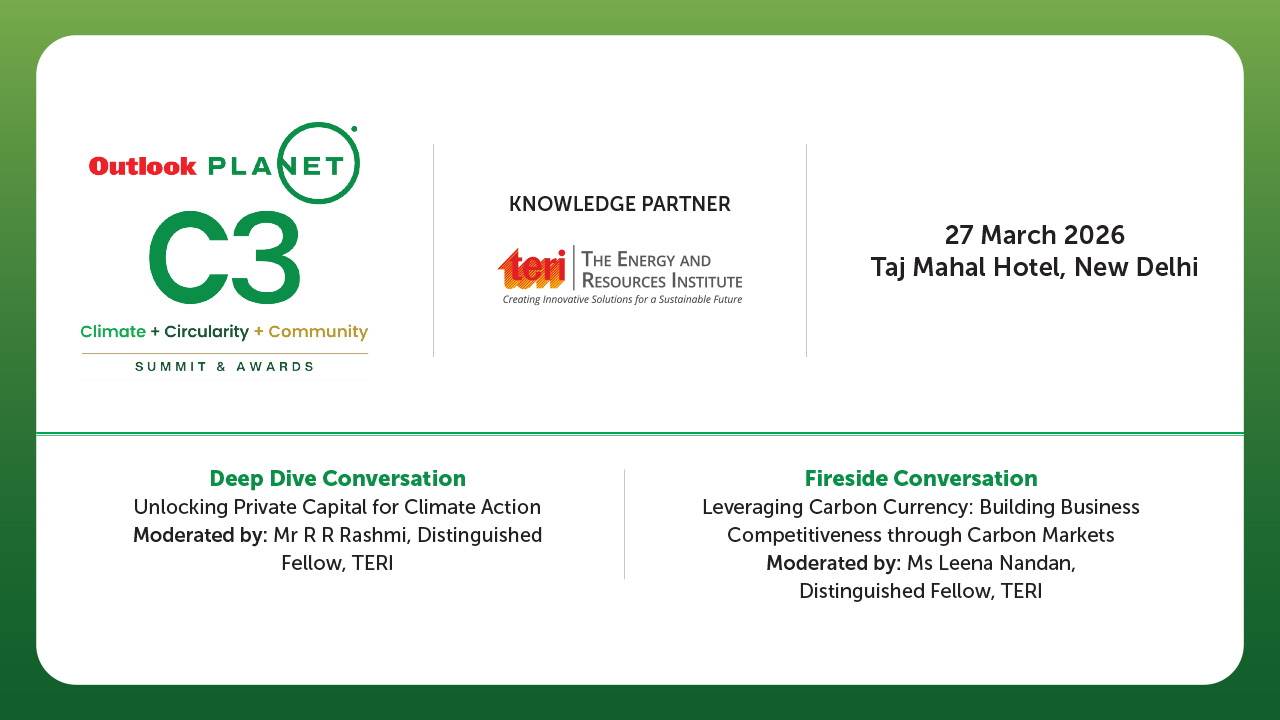
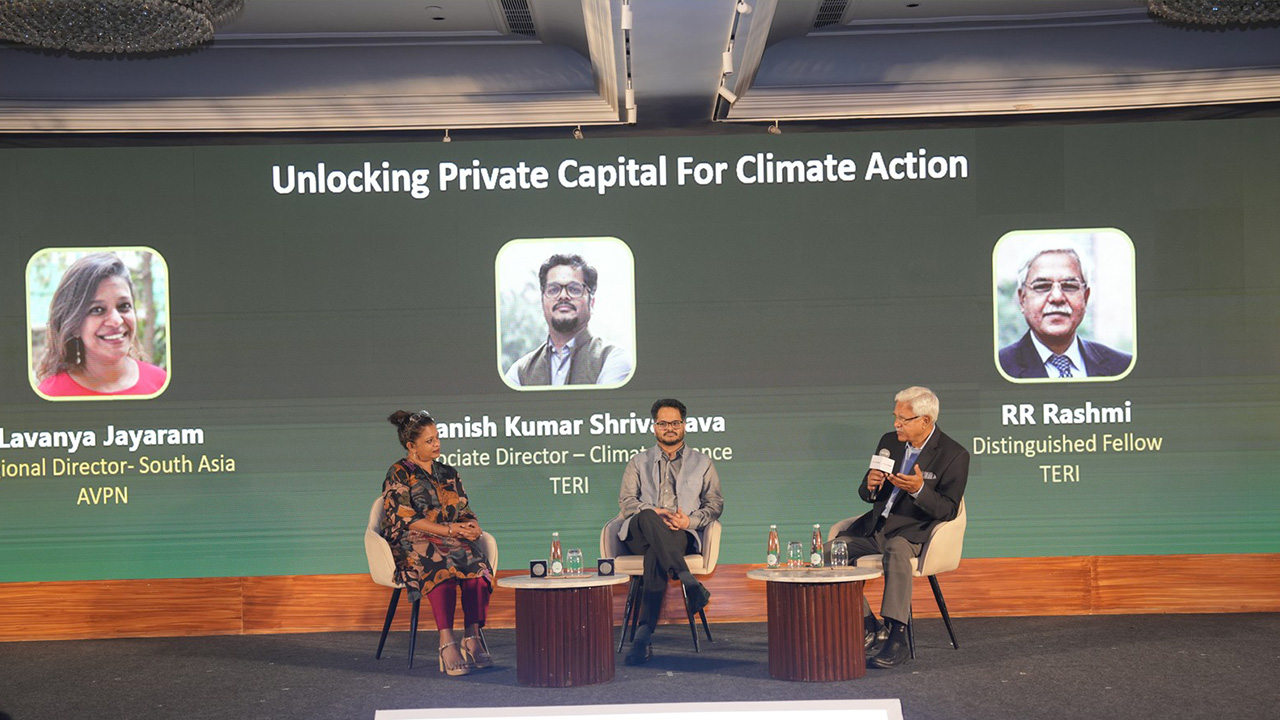
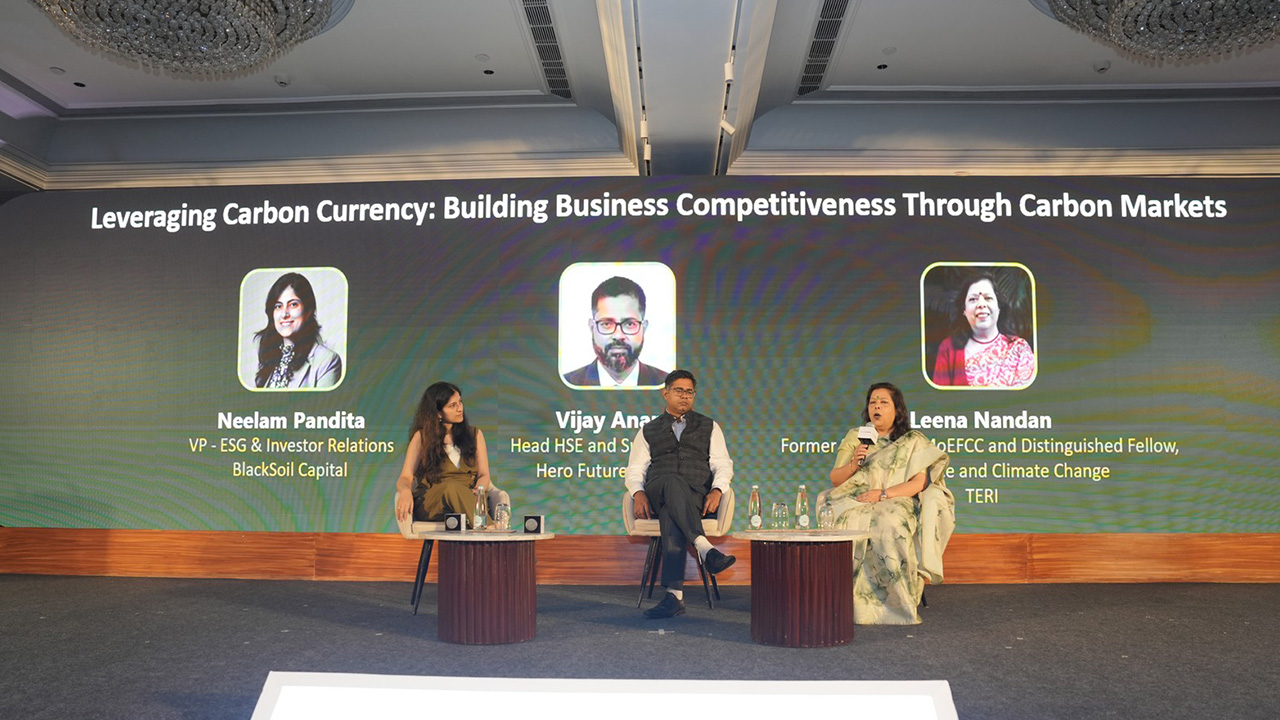
The C3 Climate Circularity Community Summit 2026, convened by Outlook Business under its Outlook Planet platform, served as a critical forum for advancing India’s climate transition through the lens of circularity. As the official knowledge partner, The Energy and Resources Institute (TERI) played a central role in steering the dialogue among policymakers, industry leaders, and financial institutions toward a common goal: moving from climate ambition to large-scale execution.
A primary takeaway from the summit was that while classification frameworks and taxonomies are vital for identifying sustainable investments, they are not a silver bullet for economic change. During the session "Unlocking Private Capital for Climate Action," moderated by Mr. R R Rashmi of TERI, experts highlighted that a label alone does not guarantee impact. Mr. Manish Kumar Shrivastava of TERI pointed out that while taxonomy is a necessary first step for labeling, it does not inherently solve the deeper issues of bankability, reinforcing the need for policy tools to be better aligned with institutional financial mechanisms.
The conversation around finance shifted focus from the "availability" of funds to the "viability" of projects. In a special address, Mr. Bavani Sankaran S of the State Bank of India challenged the common perception that climate action is stalled by a lack of capital. He asserted that no bankable project in India is currently starved of finance; instead, the real challenge lies in the limited pipeline of investment-ready, high-quality projects that meet the rigorous standards of financial institutions.
The summit also prioritized the evolving landscape of carbon markets, with discussions led by Ms. Leena Nandan, Distinguished Fellow at TERI. The consensus emphasized that for carbon markets to be effective long-term, they require a stable design backed by clear pricing mechanisms and regulatory certainty. Such safeguards are essential to foster investor confidence and ensure that a wide range of sectors can participate meaningfully in the transition.
Ultimately, the deliberations reinforced the necessity of a systems-level approach to climate action. The transition to a low-carbon and circular economy cannot happen in silos; it requires the integration of policy innovation, market readiness, and scalable financial models. Through its participation, TERI reaffirmed its commitment to fostering multi-stakeholder collaboration and providing the evidence-based insights necessary to strengthen India’s enabling environment for sustainable growth.
For more information on the summit and session coverage, please see the links below: