Headquarters
The Energy and Resources Institute (TERI)
Darbari Seth Block, Core 6C,
India Habitat Centre, Lodhi Road,
New Delhi - 110 003, India
Extreme heat has emerged as the most prevalent and pressing climate risk confronting cities worldwide. Urban heat islands are compounding global warming, driving local temperatures far beyond thresholds for human health, productivity, and energy system stability across both high- and low-income regions alike. Evidence from East Asia, Europe, and North America reveals that heat waves disproportionately impact low-income and marginalized neighborhoods, increasing existing inequities due to lack of targeted adaptation measures.
With rapid urban expansion projected to add billions of square meters of new built area in the coming decades, it is imperative to integrate heat resilience into urban planning, building design standards, and financing mechanisms to safeguard public health, ensure energy security, and sustain economic competitiveness. In the Global South, intensifying heatwaves pose escalating threats to vulnerable populations and infrastructure. It demands replicable and scalable pathways tailored to heat-prone regions across nations with diverse geographies.
Comprehensive policy frameworks must be coupled with innovative technologies, climate-responsive materials, capacity building and knowledge transfer. Embedding these measures into the core of urban planning and development can cities build resilience against a vulnerable future.
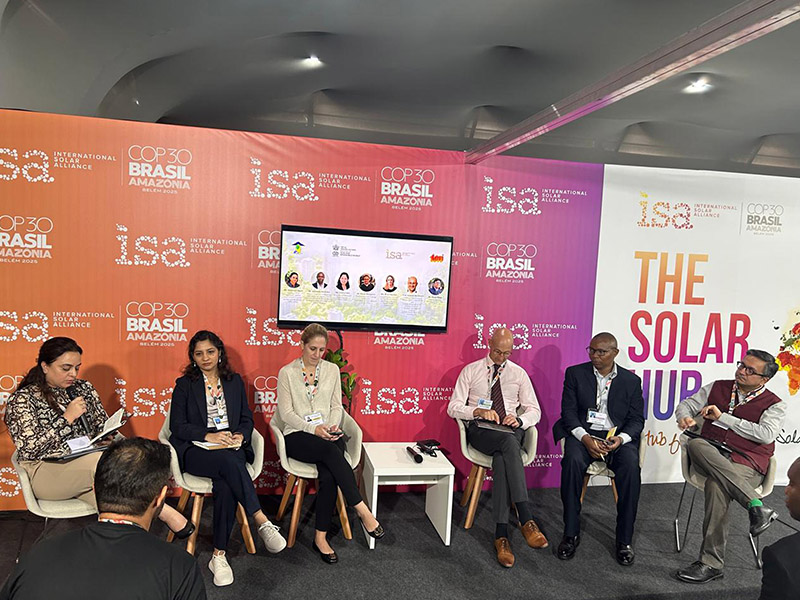
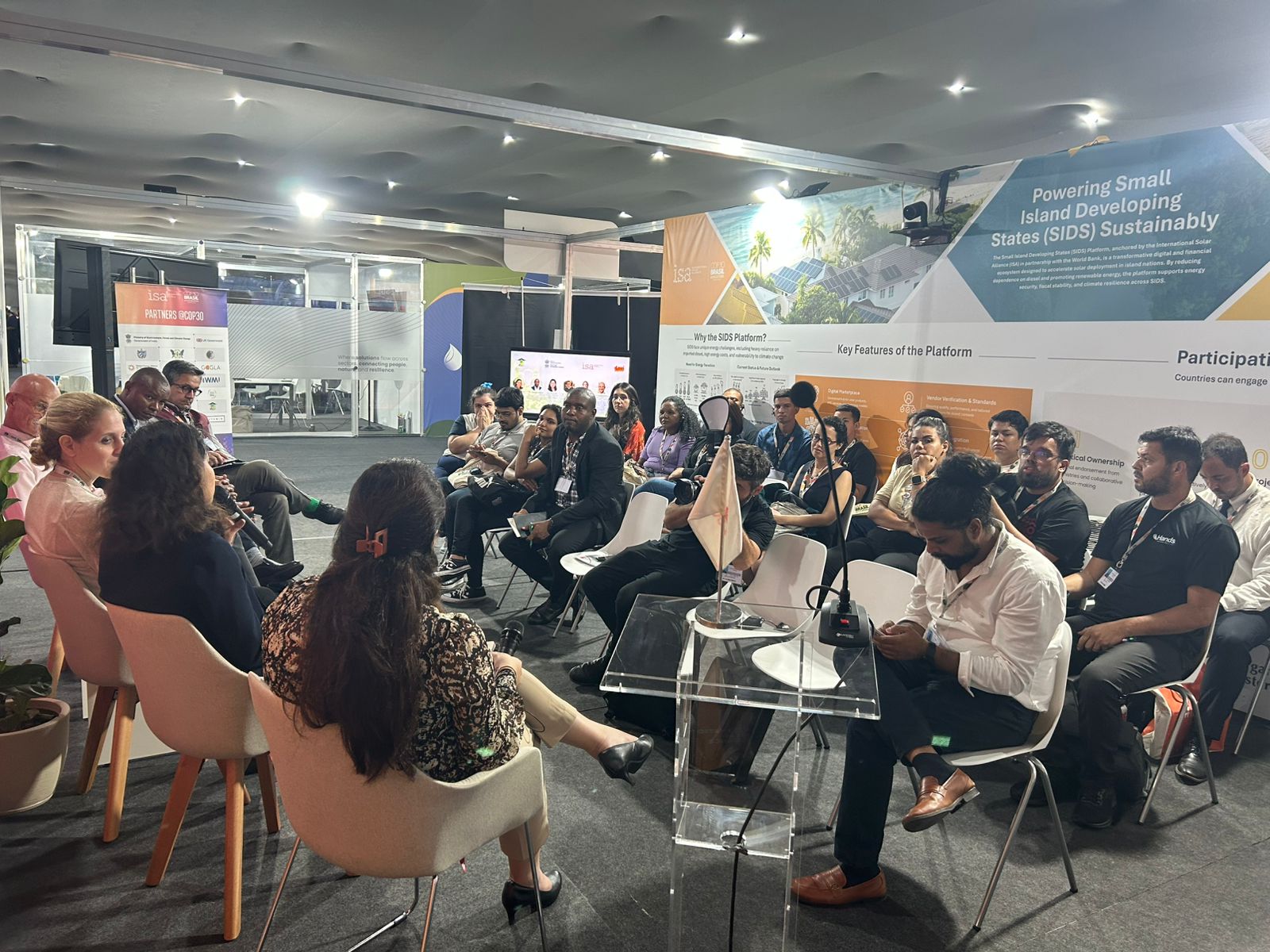
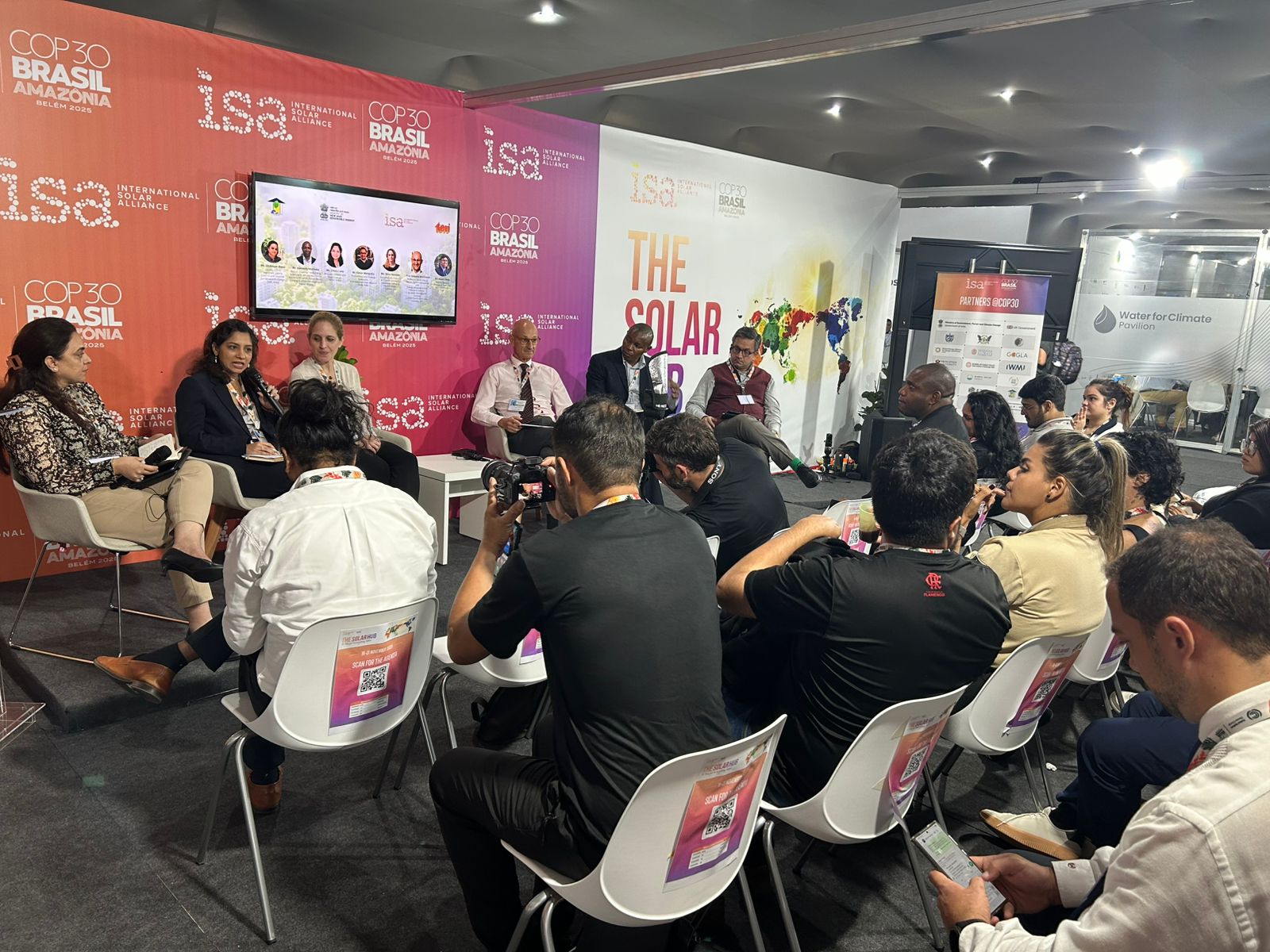
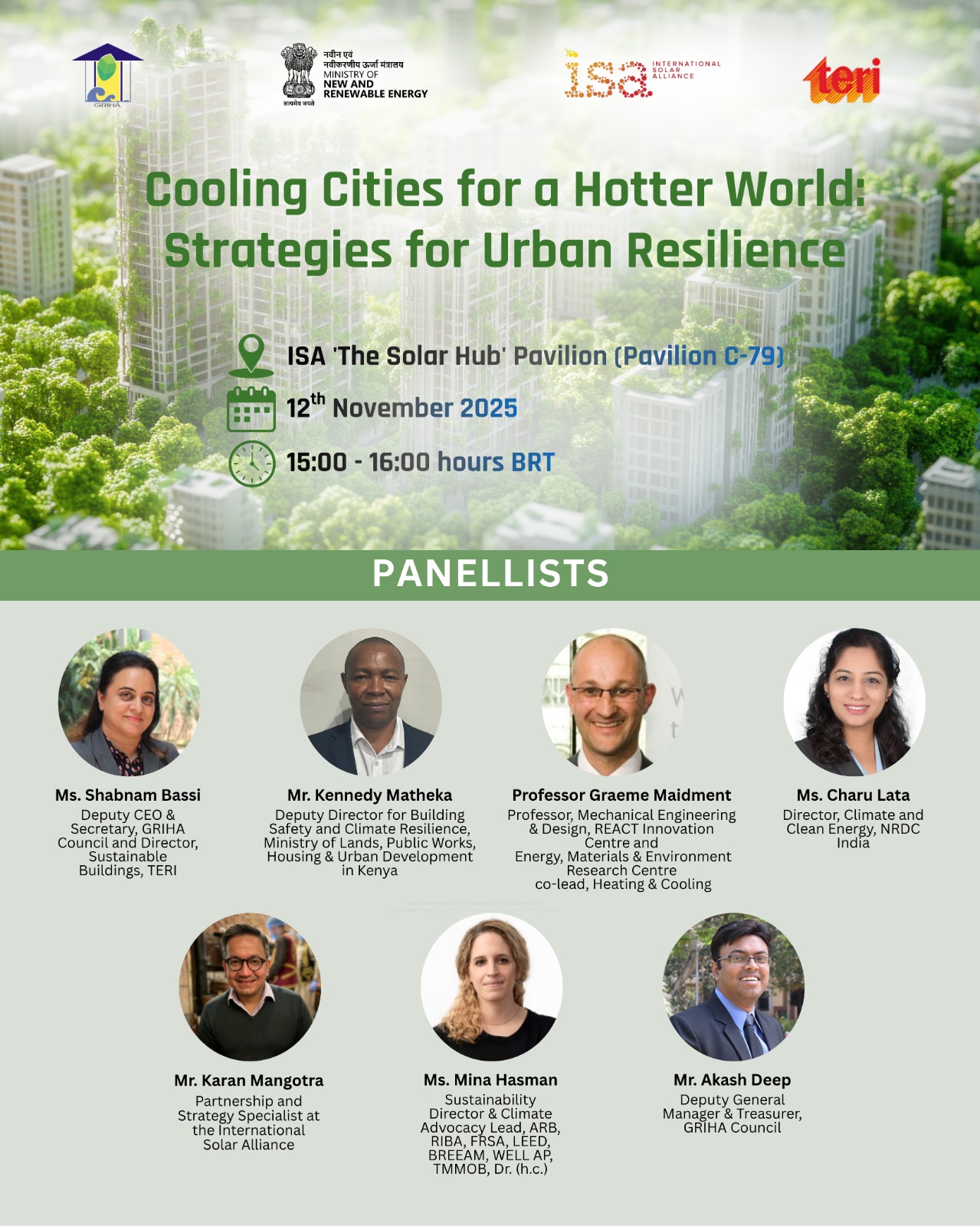
The proposed panel session “Cooling Cities for a Hotter World: Strategies for Urban Resilience” jointly curated by ISA and GRIHA Council will convene city leaders, planners, health experts, industry, and finance to convert global heat‑risk evidence into locally actionable programs, policy and codes and urban planning that prioritize equity, speed, and scale. The dialogue will deliberate on efficient cooling technologies for strengthening climate-resilience at city level. The joint session will align sustainable cooling with public health, productivity, and just transition objectives, while reducing peak electricity demand and enhancing energy reliability during extreme heat. Within a global evidence base, the session intends to translate lessons on passive and nature‑based solutions, efficient cooling, and resilient energy into practical frameworks that cities can finance and deliver at scale.
Policymakers, urban planners, municipal officers, utilities, climate and energy researchers, public health agencies, industry and materials providers, financial institutions, development partners, and civil society organizations.