
Headquarters
The Energy and Resources Institute (TERI)
Darbari Seth Block, Core 6C,
India Habitat Centre, Lodhi Road,
New Delhi - 110 003, India
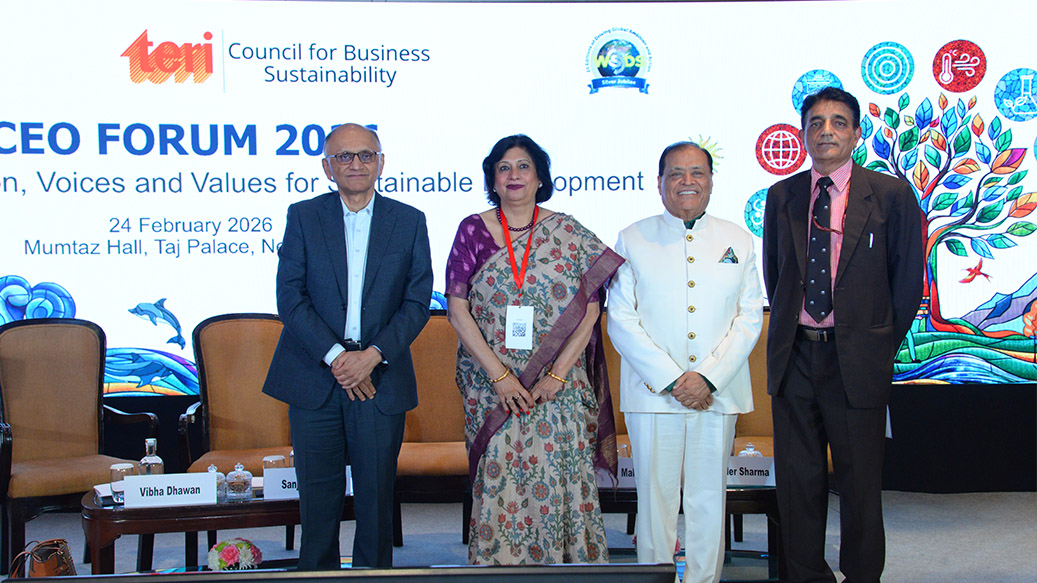
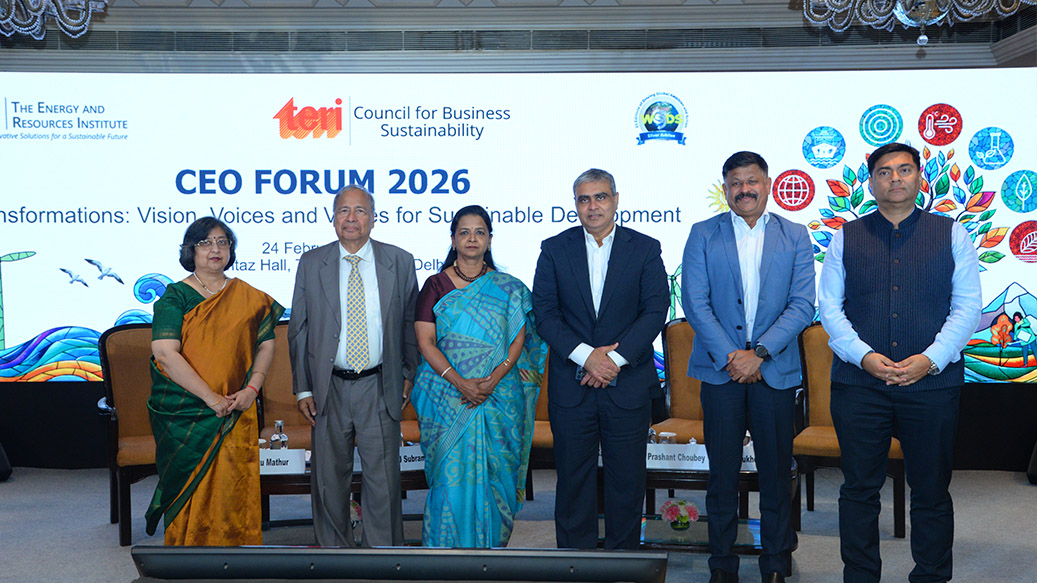
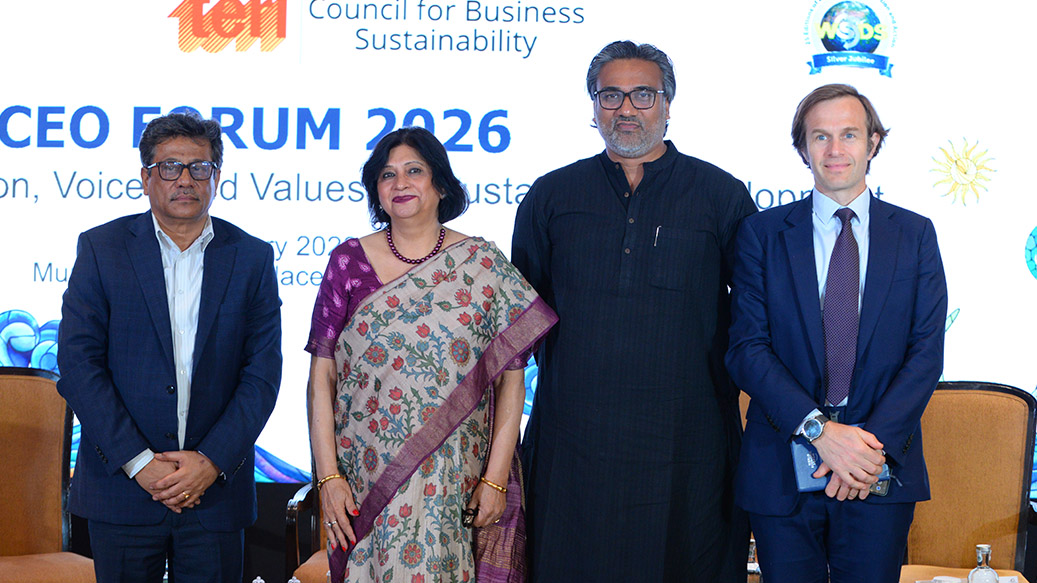
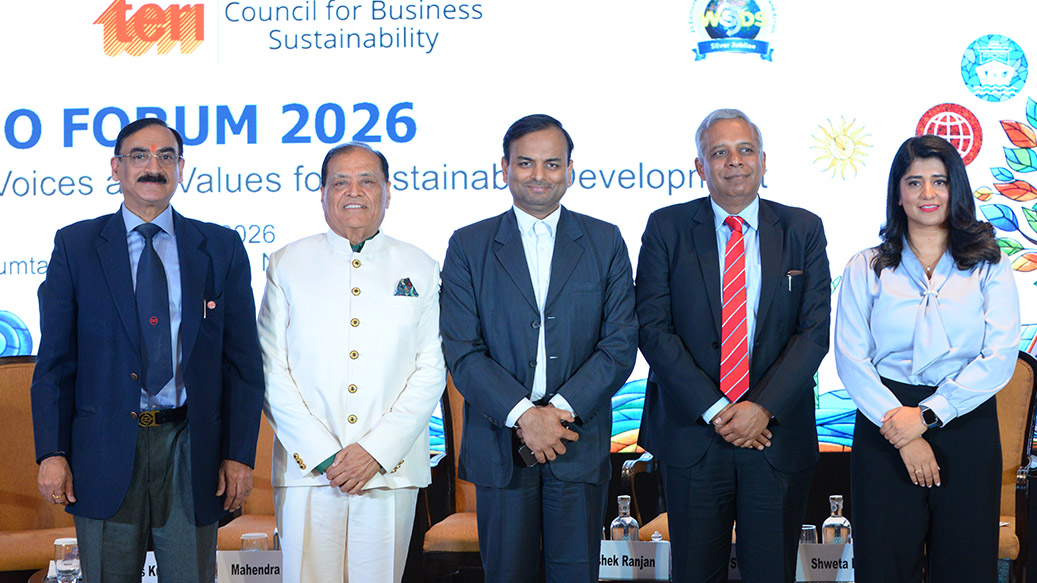
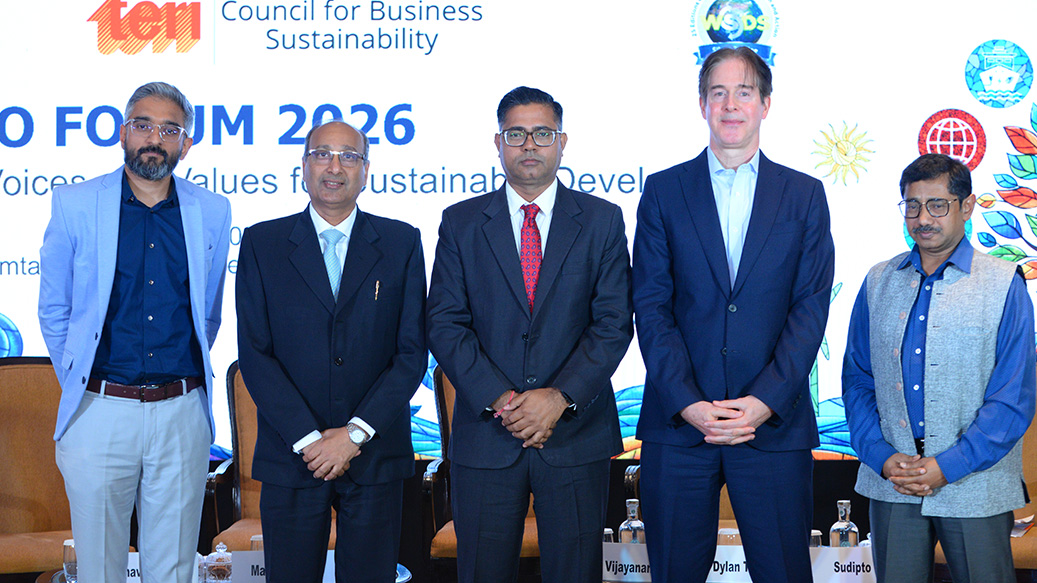
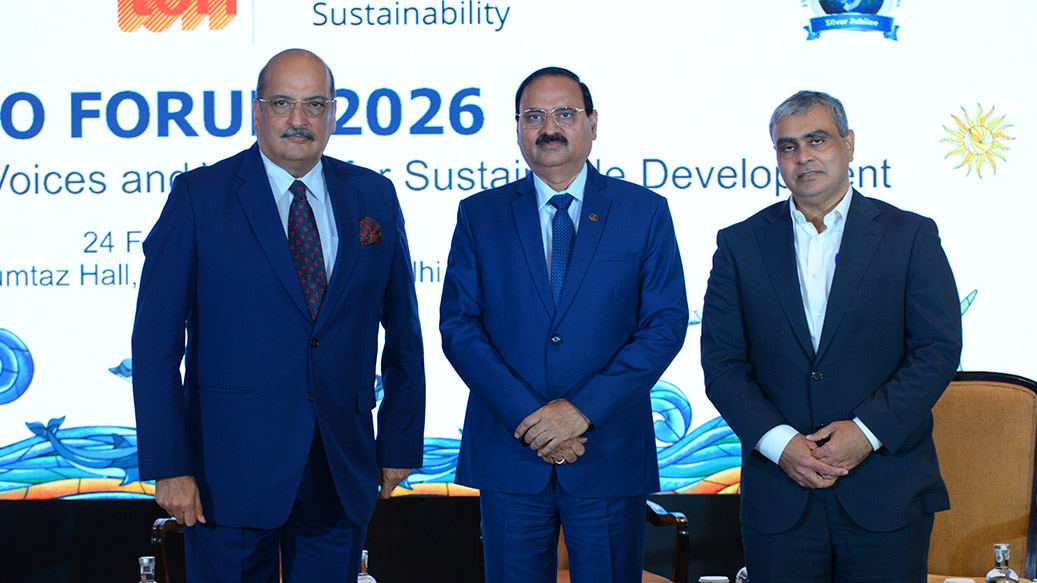
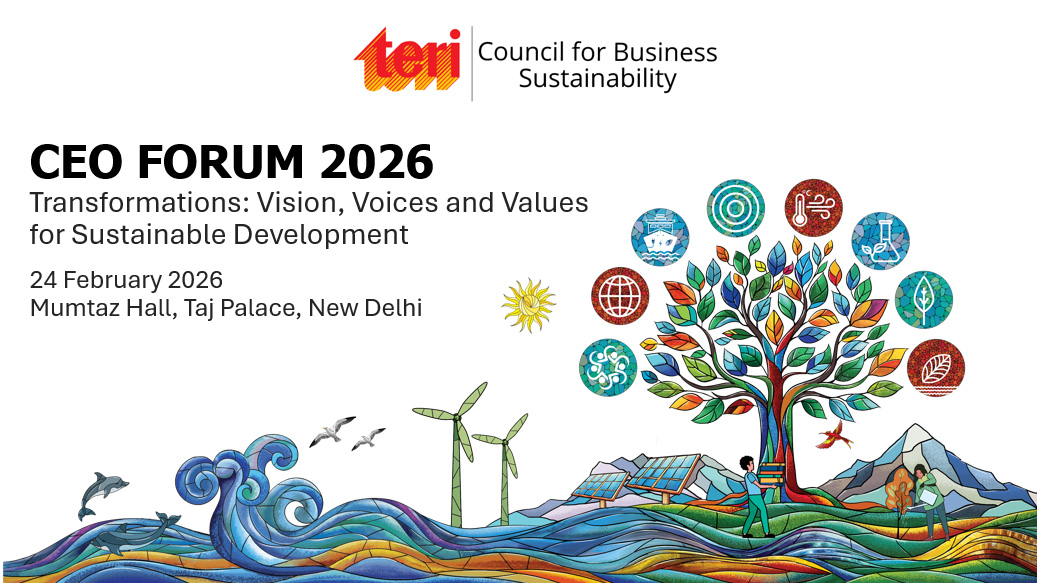
The CEO Forum 2026, held as a curtain raiser to the Silver Jubilee edition of the World Sustainable Development Summit under the theme “Transformations: Vision, Values and Voices for Sustainable Development,” brought together leaders from government, industry, finance and civil society to move the sustainability discourse from intent to implementation. Discussions underscored that while the “what” of climate action is now well established, the priority must shift towards operationalizing solutions at scale. Speakers highlighted India’s unique position—driven by rapid infrastructure growth, a young workforce, and increasingly cost-competitive clean technologies—to embed sustainability into its development trajectory from the outset. Across sessions, there was broad consensus that achieving this transition will require coordinated action across sectors, stronger policy clarity, domestic technology development, and innovative financing mechanisms, particularly in the absence of significant international financial support. The Forum also spotlighted the critical link between air pollution and business growth, emphasizing that addressing environmental externalities is essential not only for public health but also for productivity, competitiveness, and long-term economic stability.
The deliberations further emphasized that sustainability is no longer a peripheral or compliance-driven agenda but a core driver of economic competitiveness, industrial transformation, and long-term resilience. Conversations explored the role of clean electrification, green industrialization, and emerging technologies such as green hydrogen, digital systems, and biotechnology in accelerating India’s transition. A key theme that emerged was the water–energy nexus, with discussions highlighting the need to integrate water and energy considerations into infrastructure planning, investment decisions, and industrial operations to ensure resource efficiency and long-term resilience. Equally, participants emphasized the importance of community engagement, trust-building, and the integration of traditional knowledge systems to ensure inclusive and equitable outcomes. Reflecting the Forum’s theme, the Silver Jubilee Special Recognitions honoured leaders who embody the vision, values, and voices required to drive sustainable development. The Forum reinforced that bold leadership, cross-sectoral collaboration, and evidence-based planning will be essential to shape a low-carbon, resource-efficient future aligned with India’s vision of Viksit Bharat.
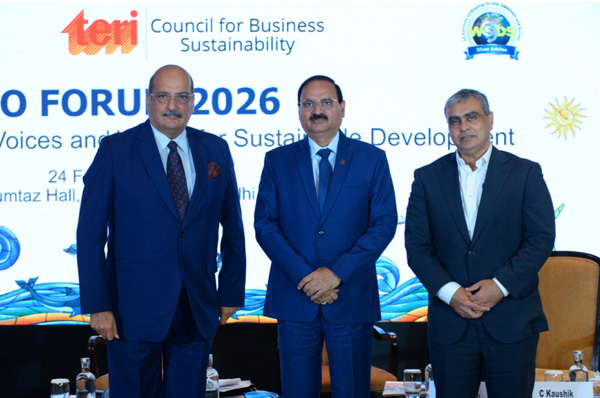
 Fireside Chat
 TERI-Grundfos Session
 CEO Panel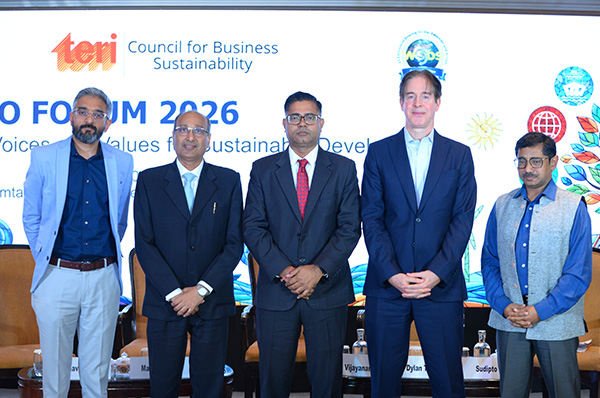
How does the Global South balance the scales of aggressive economic growth with the urgent mandate of sustainable development?
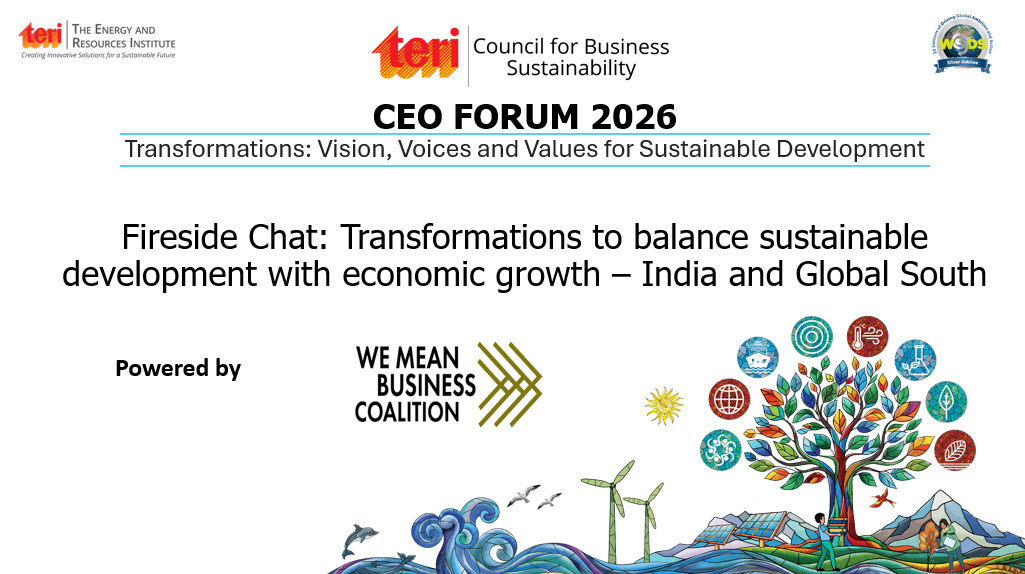
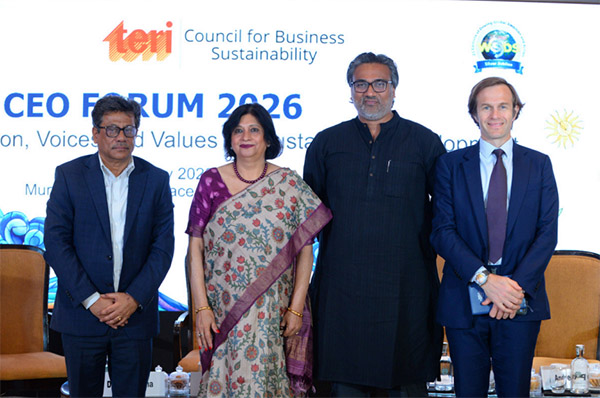
This was the central inquiry of the Fireside Chat titled 'Transformations to balance sustainable development with economic growth – India and the Global South’, hosted during the CEO Forum 2026—a curtain-raiser to the World Sustainable Development Summit 2026.
Moderated by Dr Vibha Dhawan, Director General, TERI, the conversation moved past incrementalism to address the systemic ‘transformations’ required in policy, finance, and corporate responsibility.
During the chat Mr Sourav Roy, CEO, Tata Steel Foundation, challenged the audience to rethink the ‘public good’ within corporate structures. He noted that businesses must look beyond conventional market-based approaches and develop the wisdom to navigate where markets fail and collective responsibility begins.
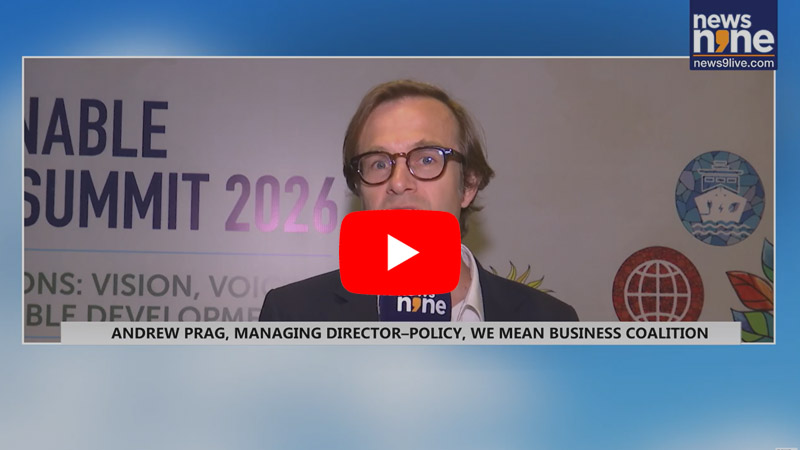
Mr Andrew Prag, Managing Director – Policy, We Mean Business Coalition, highlighted the shift from burden sharing to economic opportunity, emphasizing that businesses worldwide are increasingly stepping forward as positive actors to translate the 1.5°C vision into economic reality.
Dr Dhruba Purkayastha, Senior Fellow, Industrial Transition Accelerator, stressed that climate change represents a fundamental market failure and that aligning the cost of capital with the scale of ambition in the Global South is essential for enabling green innovation.
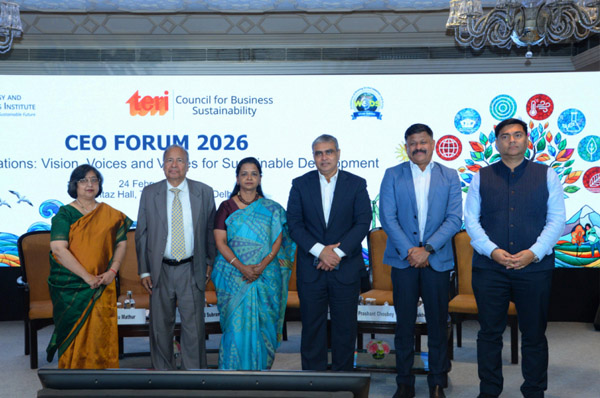
As a focal point of the CEO Forum, a special session titled ‘Water-Energy Nexus in Infrastructure Investment Decisions’ addressed the critical intersection of resource management and industrial growth.
Ms Usha Subramaniam, Country President, GRUNDFOS, highlighted the visibility gap in sustainability, noting that energy often receives greater attention while the true impact lies in the synergy between water and energy.
Dr Ritu Mathur, Director - Energy Assessment & Modelling, TERI, provided a strategic framework explaining the rapid growth of India’s data centers and their implications for resource demand.
The panel discussion moderated by Mr Ajay Shankar, Distinguished Fellow, TERI explored operational challenges of the nexus.
Mr Chitranjan Kaushik, CEO, Ecofirst Services Ltd, emphasized that water and energy are deeply interconnected, stating that every drop of water carries energy and every unit of energy requires water.
Mr Prashant Choubey, President, Avaada Energy Pvt Ltd, highlighted the systemic challenge created by falling water tables and rising energy intensity.
Mr Sourabh Mukherjee, EVP - Corporate Strategy & Sustainability, Tata Projects Ltd, noted that the water-energy nexus is now a practical reality in large-scale infrastructure and data center development.
The CEO Forum 2026 concluded with a high-impact fireside chat on technology-driven energy transitions, moderated by Amb Ajai Malhotra, Distinguished Fellow, TERI.
He highlighted that energy transitions have evolved from policy choices into existential imperatives, especially as India pursues ambitious goals including 500 GW of non-fossil capacity by 2030 and Net Zero by 2070.
Mr O P Sinha, Chairperson, OTBL and Director (Exploration), ONGC, noted that India is undergoing an energy revolution with investments exceeding 165 billion USD. He also highlighted the success of biotechnology-driven fermentation that enabled 20% ethanol blending in fuels.
Mr Chitranjan Kaushik, CEO, Ecofirst Services, emphasized that markets are now eager for transformation. Innovations such as solar films and building-integrated photovoltaics are accelerating the integration of clean technologies across sectors.
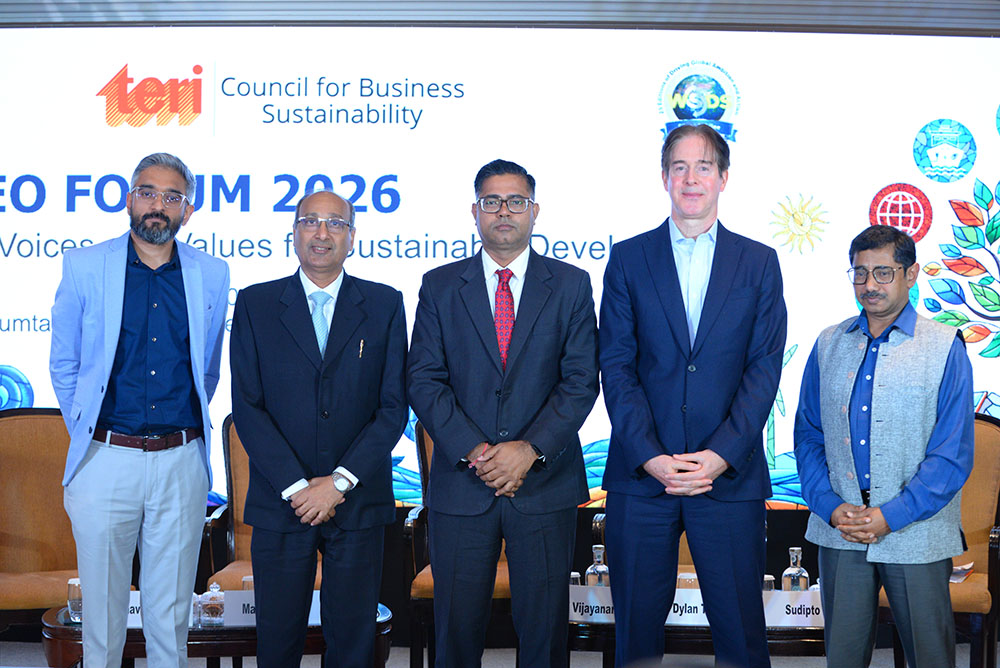
How can Chief Sustainability Officers move from the margins of reporting to the centre of business decision-making and transformative action?
This was the central inquiry of the panel discussion titled “Getting Chief Sustainability Officers at the Cusp of Decision Making and Transformative Actions,” held during the CEO Forum 2026—a curtain-raiser to the World Sustainable Development Summit 2026.
Moderated by Mr Sudipto Dey, Editor – Sustainability, Outlook Business, the discussion underscored a decisive shift: sustainability is no longer a compliance-driven function but a core strategic lever shaping investment, risk management, and long-term business planning. The conversation moved beyond reporting frameworks to examine how CSOs can influence capital allocation, embed climate risk into project design, and align executive incentives with sustainability outcomes, while navigating challenges such as fragmented disclosure systems and limited availability of reliable climate-risk data.
Mr Dylan Tanner, Executive Director and Founder, InfluenceMap, highlighted the growing convergence of sustainability and corporate strategy, noting that investors are increasingly demanding clarity, comparability, and credible transition pathways before committing capital. He emphasized that companies—particularly in hard-to-abate sectors—must align their climate commitments with policy engagement, ensuring consistency between ambition and advocacy.
Mr Manish Kumar, Head – ESG and CSR, ICICI Bank Ltd, reflected on the rising prominence of CSOs within financial institutions, supported by stronger board-level recognition and investor expectations. He pointed to persistent challenges, including the lack of standardized climate-risk data and the burden of multiple reporting frameworks, stressing the need for consolidation and sector-specific guidelines to make disclosures more actionable.
Mr Kranav Sharma, Technical Manager – Industrial Innovation, VERRA, emphasized that while carbon markets can support decarbonization, they must remain a complementary tool rather than a substitute for direct emissions reduction. He highlighted the importance of integrity in carbon markets, underpinned by principles such as additionality and robust baseline setting, to ensure that offsets deliver real climate impact.
Mr Vijayanand, Head of HSE and ESG, Hero Future Energies Pvt Ltd, described the evolution of the CSO role into a central driver of business strategy and risk management. He stressed that sustainability must be embedded within core decision-making processes—from procurement to project design—and called for stronger alignment between climate metrics and executive performance incentives to drive meaningful change.
Collectively, the panel reinforced that enabling Chief Sustainability Officers to operate at the heart of decision-making will be critical to delivering credible, scalable, and business-aligned sustainability transitions.
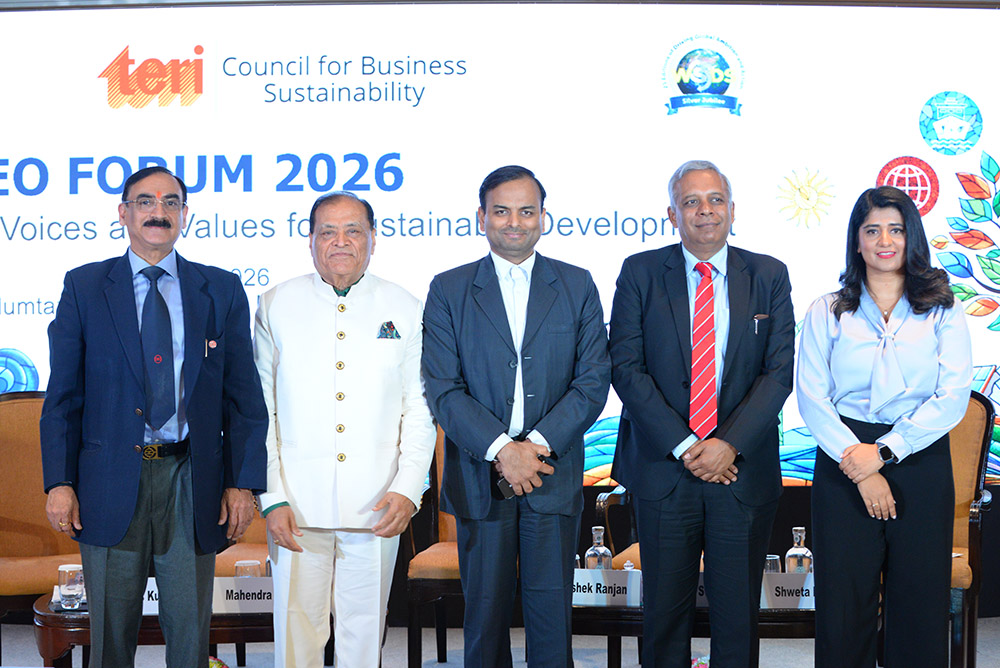
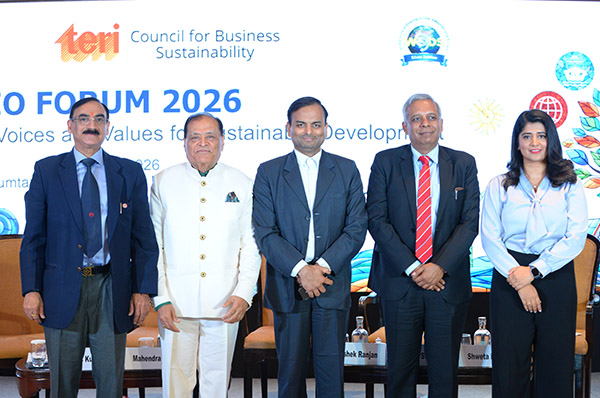
How can India scale clean electrification while building the partnerships needed to drive deep industrial transformation? This was the central inquiry of the session titled “Transformations through Rethinking Scale and Partnerships,” held during the CEO Forum 2026—a curtain-raiser to the World Sustainable Development Summit 2026.
Moderated by Ms Shweta Kothari, Senior Editor & Anchor, TV9 Network, the discussion focused on India’s accelerating shift toward clean electrification across industries, utilities, and hard-to-abate sectors. Speakers emphasized that rising energy demand, climate risks, and global trade pressures are pushing industries toward deeper decarbonization. The conversation highlighted the need for reliable renewable power, grid modernization, sector-specific transition roadmaps, and strong policy visibility, alongside the role of emerging technologies such as green hydrogen, electrified industrial heat, and digital grid systems. Participants underscored that incremental change will not suffice—structural transformation requires bold leadership, collaborative action, and evidence-based planning.
Mr Sanjay Swarup, Chairman & Managing Director, Container Corporation of India Ltd., emphasized that electrification is no longer a peripheral agenda but a strategic imperative redefining industrial competitiveness. He noted that policy developments in clean energy and renewable access are creating new opportunities while demanding greater preparedness from industry, particularly in aligning with long-term decarbonization signals and global trade requirements.
Mr Abhishek Ranjan, CEO, BSES Rajdhani Pvt Ltd (BRPL), highlighted the evolving role of distribution companies as enablers of electrification and renewable integration. He pointed to the growing complexity of grid management—driven by decentralized energy systems, electric mobility, and shifting consumer behaviour—and stressed the need for digital tools, predictive analytics, and regulatory coherence to ensure reliable and affordable energy systems.
Dr Vikas Kumar, Managing Director, DMRC Ltd., presented a systems-level perspective, emphasizing that electrification must be understood as part of a broader socio-economic transformation. He underscored the importance of integrating scientific research, robust data systems, and climate-risk considerations into infrastructure and industrial planning, while ensuring that emerging technologies remain scalable, affordable, and locally adaptable.
Mr Mahendra Singhi highlighted the critical role of leadership and long-term vision in transforming hard-to-abate sectors. Drawing on industry experience, he emphasized the importance of clean electricity, green hydrogen, and innovative technologies, alongside supportive policy frameworks and cross-sector collaboration. He noted that India’s growth trajectory offers a unique opportunity to embed sustainability at scale and position its industrial sector as a global model for low-carbon development.
Collectively, the panel reinforced that scaling India’s energy transition will depend on integrated planning, strong partnerships, and the ability to align policy, technology, and industry action toward a shared vision of sustainable industrial growth.
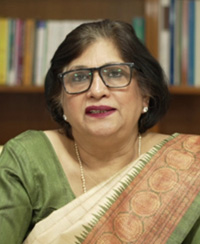
Director General, The Energy and Resources Institute
“India’s infrastructure transition must be built at scale and built clean. With affordable renewables and emerging solutions like green hydrogen, bold leadership can drive structural transformation across industry.”
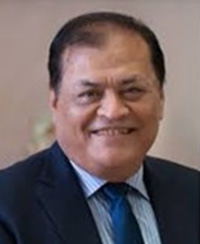
Distinguished Fellow and Governing Council Member, TERI
“Sustainability is no longer a boardroom slogan—it is a real pathway for excellence, and clean and intelligent technologies will define the future of competitive industry.”
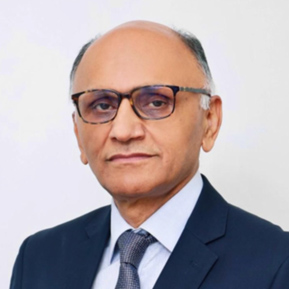
Director – Strategy & External Relations, Jindal Steel Ltd.
“The steel sector must grow to power India’s development, but growth cannot come at the cost of sustainability—our challenge is to build three times more steel with far less carbon.”
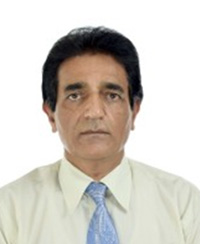
Member (Technical), Commission for Air Quality Management in NCR and Adjoining Areas (CAQM), Government of India
“Clean air is not a compliance issue—it is a strategic necessity for business competitiveness, worker health, and the future of Delhi-NCR.”
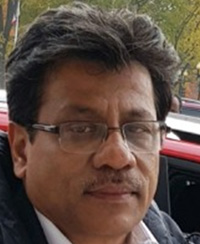
Senior Fellow, Industrial Transition Accelerator, Mission Possible Partnership
“India stands at a pivotal moment where green industrialization is not a burden but an opportunity and with the right policies, we can turn plans on paper into plants on the ground.”
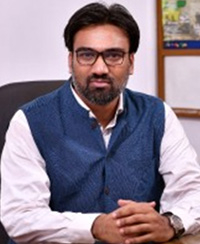
CEO, TATA Steel Foundation
“Dialogue is not a single conversation—it is the long, patient work of building trust with communities whose wisdom is essential to solving our most complex sustainability challenges.”
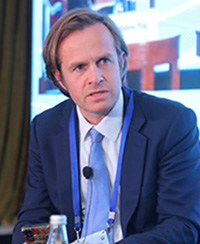
Managing Director – Policy, We Mean Business Coalition
“Businesses across the Global South are ready to lead the clean transition, and what they need most is stable, predictable policy signals—not instructions from the Global North.”
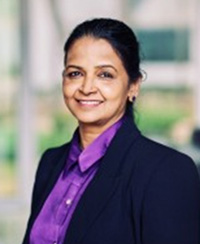
Country President, Grundfos
“Two thirds of the country’s future infrastructure is yet to be built, making this a defining moment for integrating resilience, competitiveness and environmental security into decision making. Water and energy are often treated in silos, with energy receiving greater attention due to its visibility, while the hidden energy intensity of water-related applications remains overlooked.”
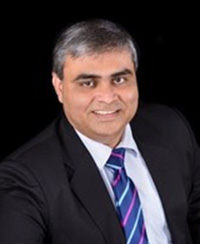
CEO, Ecofirst Services Ltd
“The market is not just ready but hungry for energy transformation, with new technologies from solar films to building-integrated photovoltaics pushing clean energy far beyond the rooftop.”
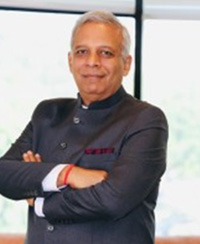
Chairman & Managing Director, Container Corporation of India Ltd.
“By moving 95% of our cargo through rail and adopting LNG and EV technologies, we have already saved two lakh tonnes of CO2—showing how logistics can scale while staying green.”
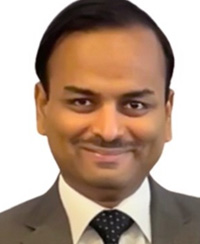
CEO, BSES Rajdhani Power Ltd – BRPL
“Scale and sustainability are not at odds when expansion is powered by renewable energy, smart storage, and rapid deployment of clean technologies.”
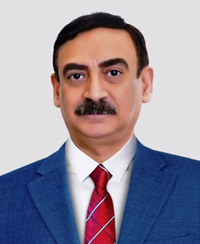
Managing Director, DMRC Ltd
“A metro system becomes truly sustainable only when its network reaches every citizen within walking distance, enabling a shift to clean public transport at scale.”
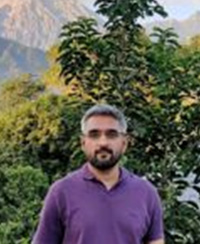
Technical Manager - Industrial Innovation, VERRA
“Carbon offsets are not a replacement for real action—they are a complementary tool that only works when companies first do everything possible to reduce their own emissions.”
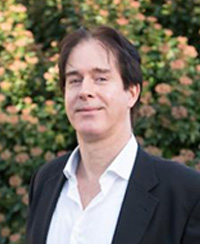
Executive Director and Founder, InfluenceMap
“Climate issues are no longer ESG topics—they are mission-critical business issues that demand clear standards, strong policy engagement, and credible transition plans.”
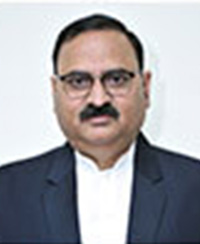
Chairperson, OTBL (ONGC-TERI Biotech Limited) and Director (Exploration), ONGC Ltd
“India is in the midst of an energy revolution, and our success in biotechnology-driven ethanol blending has cut fossil fuel imports while proving that innovation can fundamentally reshape the economy.”
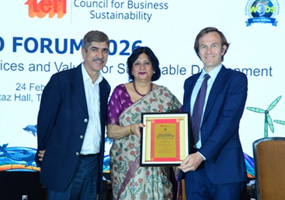
Managing Director – Policy
We Mean Business Coalition
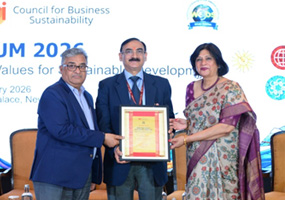
Managing Director
DMRC Ltd
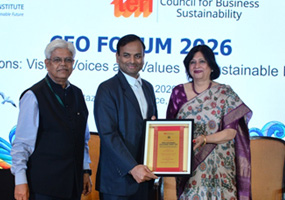
CEO
BRPL

CEO
Tata Steel Foundation
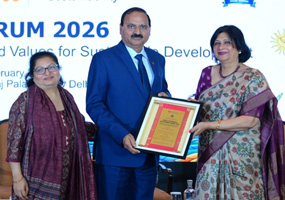
Chairperson
OTBL (ONGC-TERI Biotech Limited)
Managing Director – Policy, We Mean Business Coalition
The We Mean Business Coalition’s Call to Action are grounded in what Indian businesses are already doing and what they are willing to do, if backed by strong, consistent policy signals. The We Mean Business Coalition and TERI are committed to support the transformation and facilitate leading businesses accelerate their renewable energy adoption, electrifying transport fleets, improving energy efficiency, and investing in low-carbon manufacturing.
Managing Director, DMRC Ltd
Transformative actions by DMRC in the Sultanpur depot, to make it both water and carbon neutral speaks volumes of how water-energy nexus is integral to all maintenance activities related to the rolling stock. DMRC-TERI collaboration ranges from scientific demand elasticity studies, computation of carbon footprint and sustainability reports.
CEO, BRPL
The BRPL-TERI strategic collaboration aims to accelerate renewable integration, smart distribution technologies, and energy storage solutions across Delhi's power distribution network. The collaboration focuses on expanding grid-connected solar rooftop PV systems, energy storage solutions, electric vehicle integration, and smart distribution technologies. TERI conducted biggest energy conservation campaigns in India named 'Energy Wise, Energy Rise' (EWER). EWER has covered 200 schools and reached out to around 60,000 students in 2 years.
CEO, Tata Steel Foundation
The Tata Steel Foundation (TSF) and TERI have partnered to launch "The Green School" project, focusing on environmental education, sustainability, and biodiversity awareness among students in Jharkhand and Odisha. Since 2017, this initiative aims to foster a generation of "Green Fighters" and has been recognized across several global forums. The collaboration leverages TSF's community network and TERI's expertise in sustainability to educate and empower children for a greener future.
Chairperson, OTBL (ONGC-TERI Biotech Limited)
ONGC-TERI Biotech Limited is a unique example of how industry and research institutions can work together to translate science into scalable, commercially viable solutions. The partnership between ONGC’s operational strength and TERI’s research capability has shown that technology development must move beyond laboratories and integrate with business models and field-level deployment. OTBL emerged from DBT-seeded biotech leader advancing sustainable innovations. It pioneered bioremediation of oil spill sites.

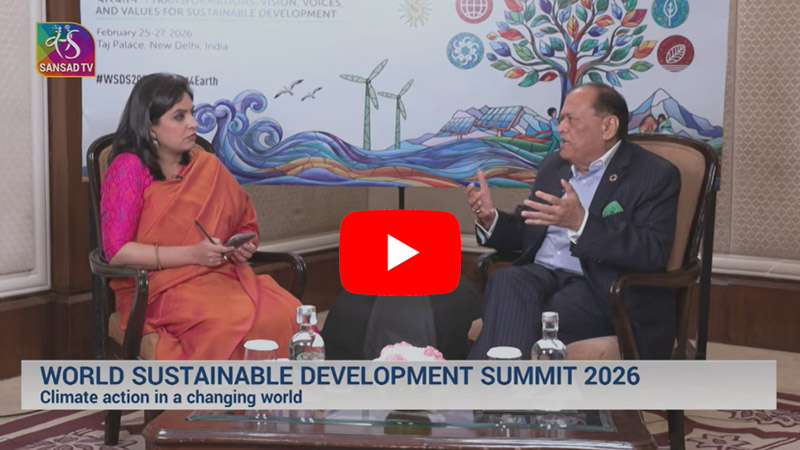
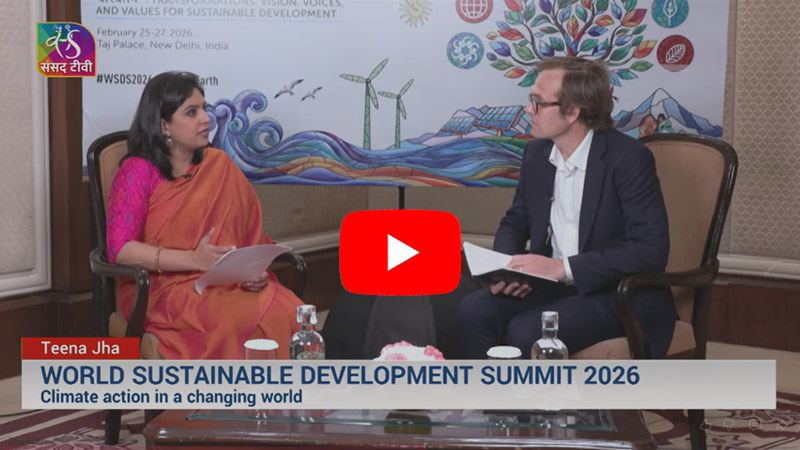
Sansad Television is the Parliamentary channel of India. It was created in 2021 by merging Lok Sabha Television and Rajya Sabha Television.

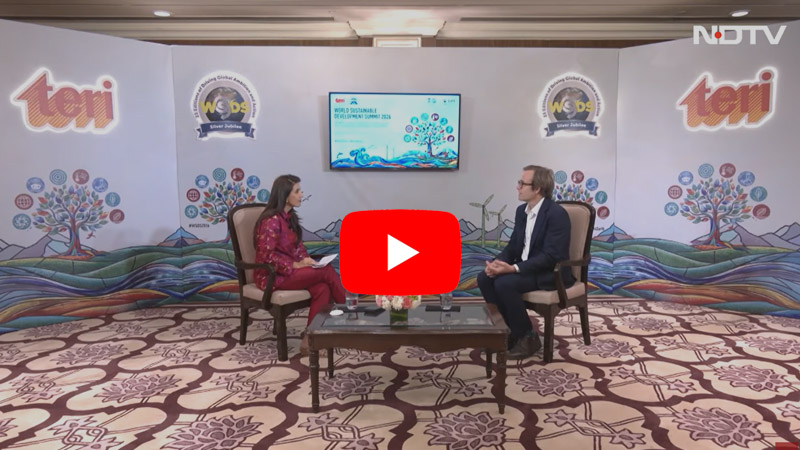
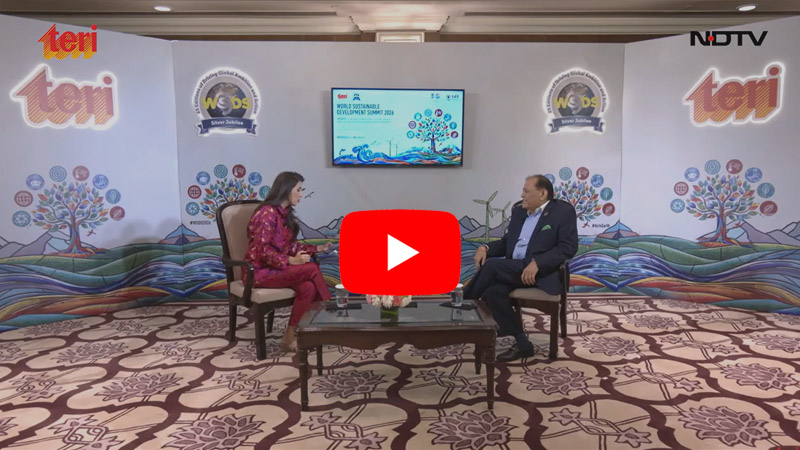
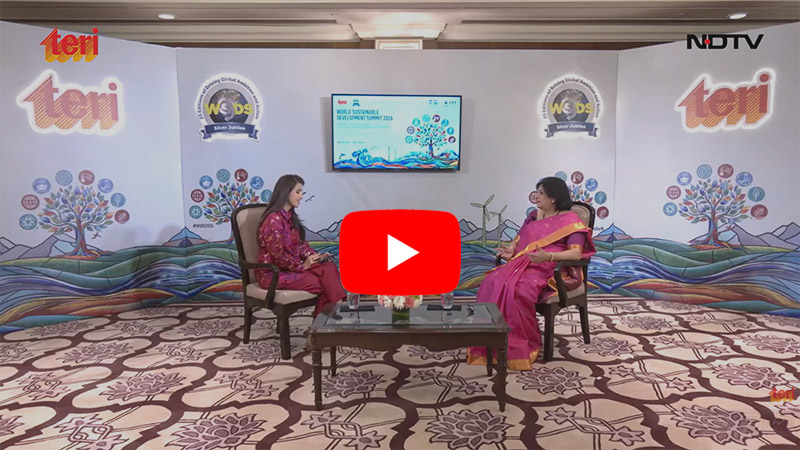
NDTV is one of the leaders in the production and broadcasting of un-biased and comprehensive news, live news and entertainment programs in India and abroad.

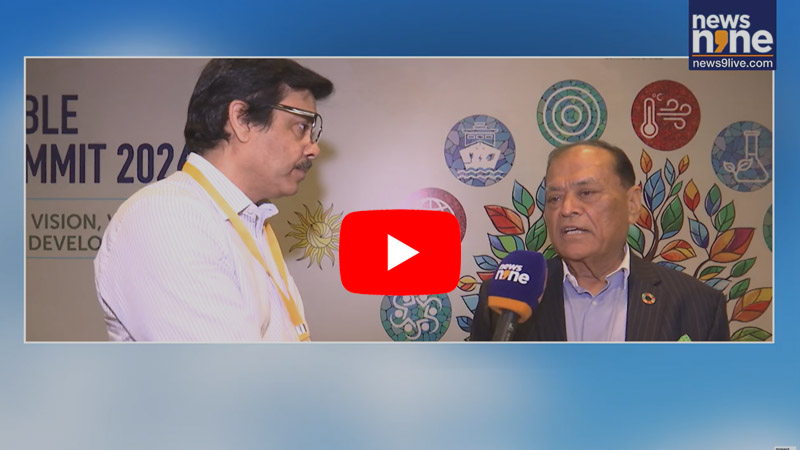
News9 is a prominent Indian English-language digital news brand and part of the TV9 Network, featuring a 24/7 live streaming platform (News9 Live) and a subscription-driven news OTT app (News9 Plus). It focuses on national and international news, politics, defense, and lifestyle, aiming at digital-first viewers..
To view highlights from the CEO Forum 2025.
Highlights from the business convenings at WSDS 2025