As the world marks Earth Day under the theme 'Our Power, Our Planet', it is a moment to recognize that transformative climate action is not driven by policy alone, but by people. Across rural India, communities are shaping more sustainable futures through everyday choices rooted in care for land, health, and livelihoods. This story from Andhra Pradesh highlights how women, often at the heart of households and communities, are harnessing that power to build resilient food systems and restore balance between people and the planet.
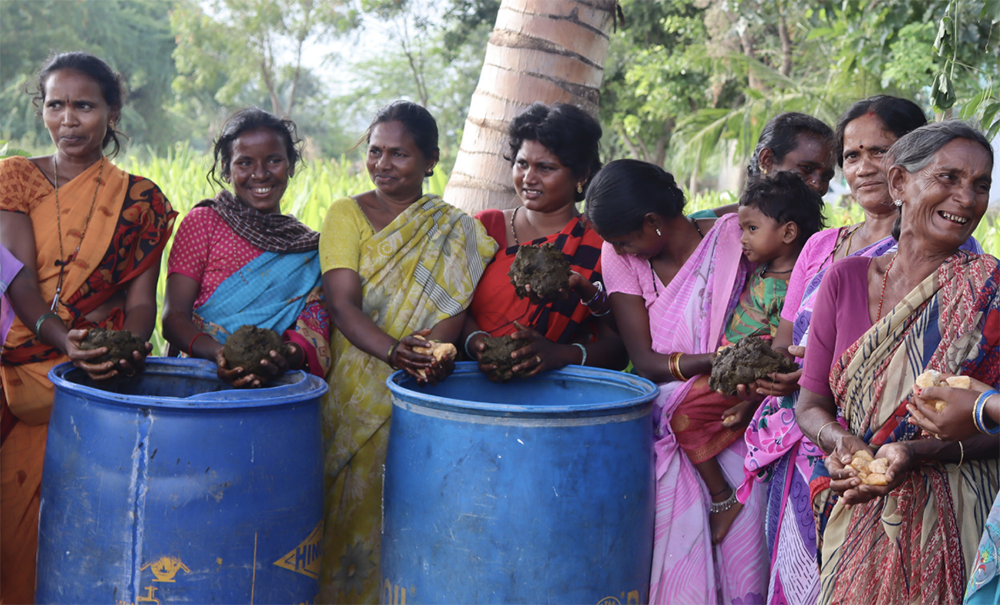
As conversations around sustainability often focus on technology, infrastructure, and large-scale policy interventions, some of the most transformative solutions continue to emerge quietly from communities on the ground where the actual implementation is done.
A recent field visit across villages in Andhra Pradesh with teams from The Energy and Resources Institute (TERI) and Rythu Sadhikara Samstha (RYSS) offered a powerful reminder of this reality. Travelling through Kakinada, NTR district, and Guntur, we witnessed an ecosystem where natural farming was not being driven solely by external experts or institutional actors. It was being sustained, scaled, and strengthened largely by the women in the region.
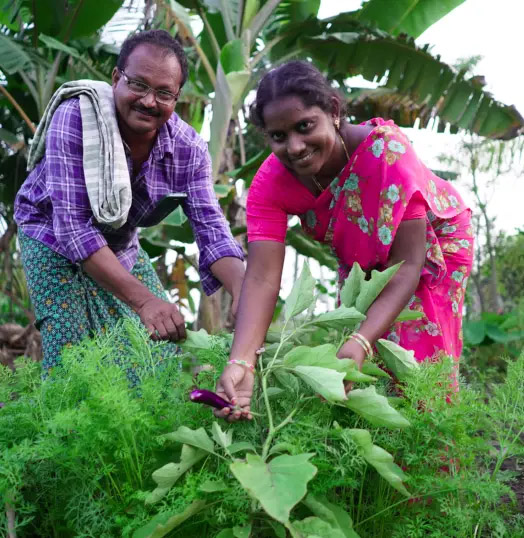
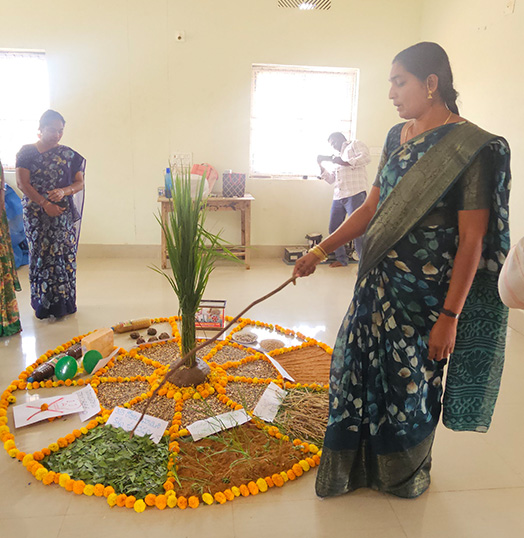
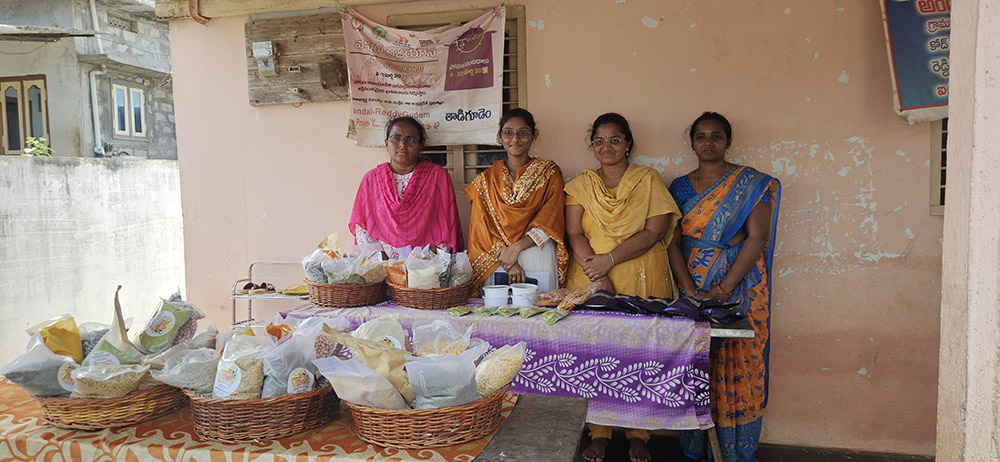
The journey was particularly memorable and quite unintentionally, an all-women field visit; women researchers, programme leaders, health experts, and community practitioners, travelling across rural Andhra to learn from other women who were quietly transforming their communities. Nearly 90 per cent of the farmers we interacted with were women. But what stood out even more was the range of roles they were playing within their communities. They were cultivators adopting environmentally sustainable farming practices. They were mothers making decisions about household nutrition. They were members of self-help groups managing local enterprises. They were community educators helping other women understand dietary diversity, maternal nutrition, and healthier food choices. They were, in many ways, holding together multiple threads of sustainability that policy discussions often treat separately.
In many development programmes, women are still viewed primarily as beneficiaries. What we observed in Andhra Pradesh was fundamentally different: women were acting as changemakers for other women. This distinction matters because behaviour change remains one of the most difficult challenges in public health, nutrition, and sustainability interventions. Information alone rarely translates into action when it does not account for household realities, affordability concerns, caregiving burdens, local food preferences, and social norms. Women from within the same communities are often uniquely positioned to bridge this gap because they understand these realities intimately.
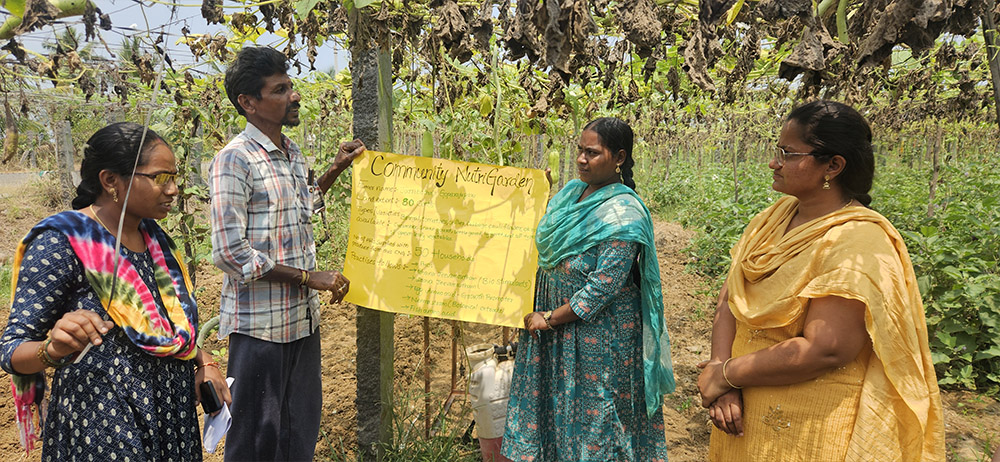
When a woman speaks to another woman about improving maternal nutrition, she understands the physical strain of pregnancy alongside household and agricultural responsibilities. When she recommends a household nutrition garden, she understands affordability constraints. When she encourages natural farming practices, she understands the risks families associate with shifting cultivation methods. This peer-driven trust ecosystem significantly improves the likelihood of behavioural adoption. One particularly moving story captured this transformation. We met a woman who spoke candidly about experiencing severe weakness and anaemia during pregnancy. Poor dietary diversity and limited nutrition awareness had affected her health. Through repeated counselling from a local Health and Nutrition Champion, she began making gradual changes to her household food practices. She was encouraged to diversify food consumption, establish a nutrition garden, and eventually adopt natural farming practices. Over time, these changes transformed far more than her plate. Her household dietary diversity improved, farming became an additional source of income, and she proudly shared that she went on to deliver a healthy child. Today, she motivates other women in her village to make similar changes, turning personal transformation into community transformation.
Her story reflects the broader strength of Andhra Pradesh’s model.
The intervention links dimensions that are too often addressed in silos. It promotes nutrition security by encouraging dietary diversity beyond cereal-heavy diets. It supports environmental sustainability by reducing dependence on chemical-intensive agriculture while improving soil health, biodiversity, and climate resilience. It strengthens economic resilience by creating local entrepreneurship opportunities, strengthening self-help groups, and reducing dependence on distant markets through community aggregation systems.
We also visited school nutrition gardens, community farms, and village-level food systems designed to ensure that healthy food remains accessible and affordable within local communities. These models reduce transportation dependence, strengthen local supply chains, and make rural food systems more resilient to environmental and economic shocks. From the 'Earth Day' perspective, this model offers an important lesson: environmental sustainability cannot be separated from human well-being. Healthy ecosystems require healthy communities, and healthy communities require systems where nutrition, livelihoods, gender inclusion, and environmental stewardship reinforce one another.
This grassroots model quietly advances multiple United Nations priorities; SDG 2 (Zero Hunger), SDG 3 (Good Health and Well-being), SDG 5 (Gender Equality), SDG 12 (Responsible Consumption and Production), SDG 13 (Climate Action), and SDG 15 (Life on Land). But beyond global frameworks and policy language, its greatest lesson is far simpler.
When women are empowered not merely as participants, but as leaders, mentors, and decision-makers, the benefits do not remain individual. They ripple across households, communities, and ecosystems. As India searches for scalable solutions to climate resilience and sustainable development, some of the most promising answers may already be growing quietly in village farms, household gardens, and conversations between women determined to build healthier futures, for their families and for the planet.