
Headquarters
The Energy and Resources Institute (TERI)
Darbari Seth Block, Core 6C,
India Habitat Centre, Lodhi Road,
New Delhi - 110 003, India
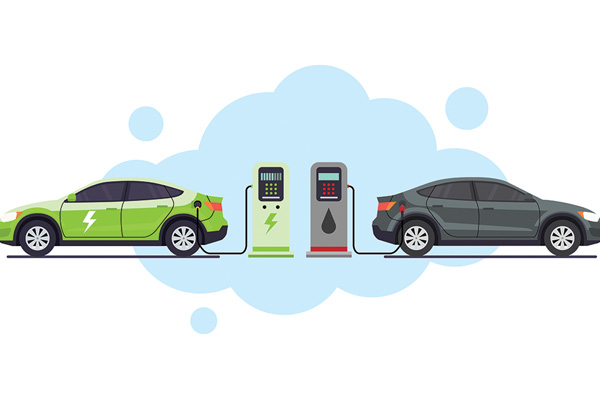
India, the world’s third-largest energy consumer, relies on fossil fuels for about 80 per cent of its energy needs, with coal dominating electricity generation (70 per cent) and expected to grow further despite renewable expansion targets. At the same time, India has committed to significant decarbonization goals, including a 47 per cent reduction in emissions intensity by 2035. The transport sector plays a critical role in economic development but is also a major energy and emissions contributor, consuming nearly half of the country’s oil products despite accounting for less than 20 per cent of final energy use. Road transport dominates, with two-wheelers, cars, three-wheelers, and buses contributing differently to energy demand, and emissions from petrol and diesel vehicles causing both climate and severe public health impacts. With India’s vast road network and rising mobility demand, decarbonizing transport, particularly through electrification and cleaner alternative fuels, is essential. This is further reinforced by worsening air quality, prompting initiatives like the National Clean Air Programme (NCAP), which targets significant reductions in particulate pollution, where transport is a key contributor in major cities. However, it is worth highlighting that until the electricity is full decarbonised, the various emissions along with greenhouse gases such as particulate matter generation, etc. are merely shifted to another geographical location, thereby, further strengthening the need to study the emissions from a life cycle perspective with appropriate boundaries.
In relation to this, the study aims to compare the role of various fuels (oil, natural gas, and electricity) in the India’s road transport sector using a multi-criteria decision analysis across all the fleet categories. It identifies relevant criteria based on technical, infrastructural, economic, environmental, social and geopolitical parameters to provide a holistic analysis rather than focusing only on individual criteria such as tail-pipe emissions, costs, etc., in silos. The framework developed will be used to identify the use cases and suitability of various fuels to ensure a multi-fuel diversification of the Indian road transport sector. An important criterion is to carry out a cradle to grave life cycle assessment analysis for various fuels across the fleet types considered. The cradle to grave LCA boundary aims to compute the emissions from the mining/extraction phase till end of the life of each of the fuel and fleet alternatives.