Headquarters
The Energy and Resources Institute (TERI)
Darbari Seth Block, Core 6C,
India Habitat Centre, Lodhi Road,
New Delhi - 110 003, India
Mining is a cornerstone of India’s infrastructure and economic growth, yet it leaves behind a significant environmental footprint. Beyond land degradation, mine overburden and waste are prone to erosion, often choking natural drainage systems and producing acidic runoff. The cascading effects—ranging from biodiversity loss and water depletion to air and soil pollution—impact both livestock and human health.
In this context, mine reclamation is not merely a post-mining activity but a critical pillar of sustainability. Converting sites back to their pre-mining conditions provides vital ecological, social, and economic benefits. To address this, the Ministry of Mines has established a Sustainable Development Framework, emphasizing environmental sensitivity, robust impact management, and comprehensive closure planning.
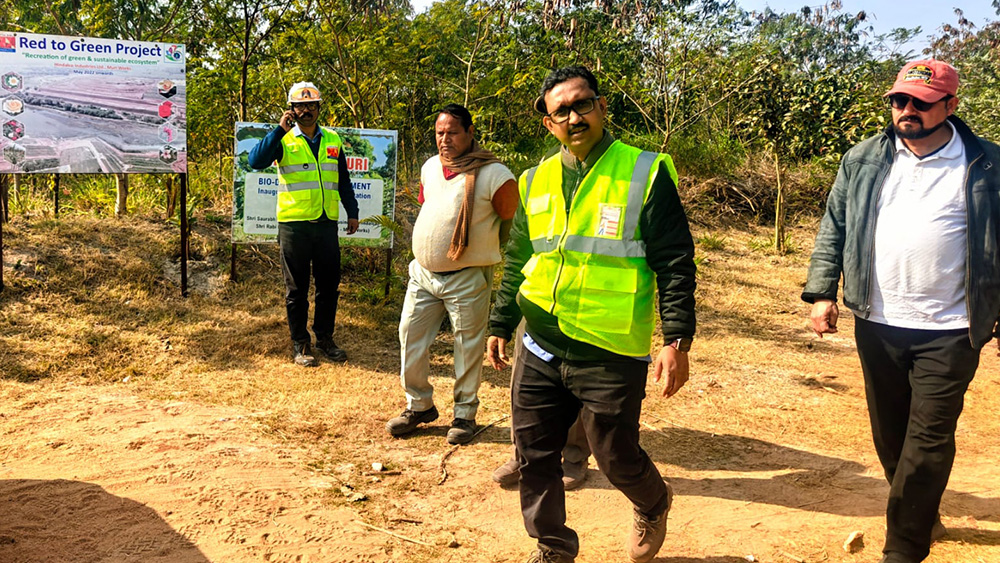
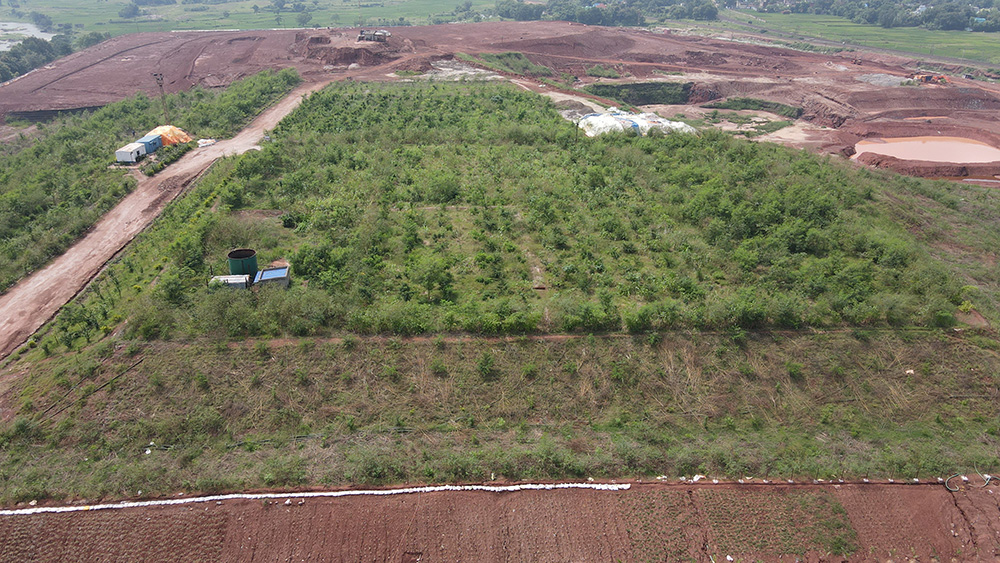
Located 65 kilometers from Ranchi, Jharkhand, the HINDALCO plant at Muri sits along the banks of the Swarnarekha River. In 2021, HINDALCO partnered with TERI to restore a 100-acre red mud dump site.
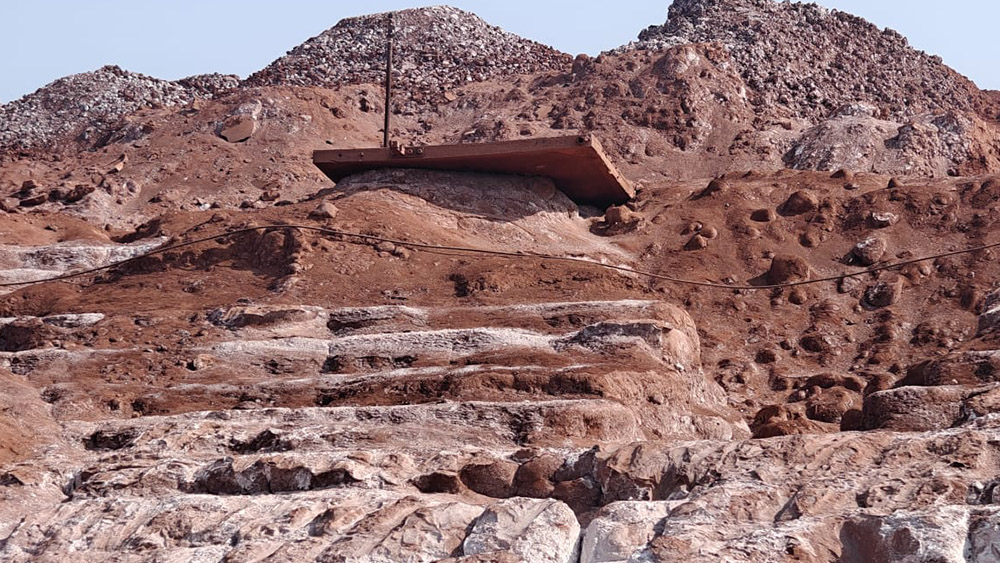
The Challenge: Red mud—a byproduct of aluminum production—is an inhospitable substrate for life. Its extreme alkalinity (pH > 11), high salinity, and sodicity render the land unproductive. During dry months, it creates fugitive dust; during the monsoon, soda leaches from the mud, threatening both the Swarnarekha River and local groundwater.
The high pH of red mud is primarily driven by an Exchangeable Sodium Percentage (ESP) exceeding 70 p[er cent. To make the site habitable for plants, TERI employed a chemical and biological 'reset' of the soil:
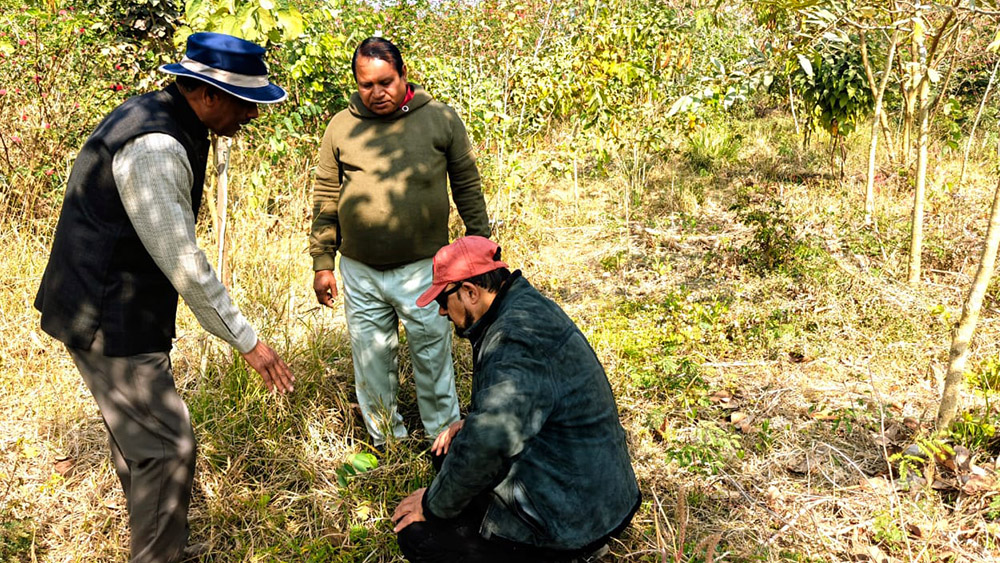
Since 2021, the rehabilitative interventions have transformed the site from an industrial wasteland into a stabilizing ecosystem:
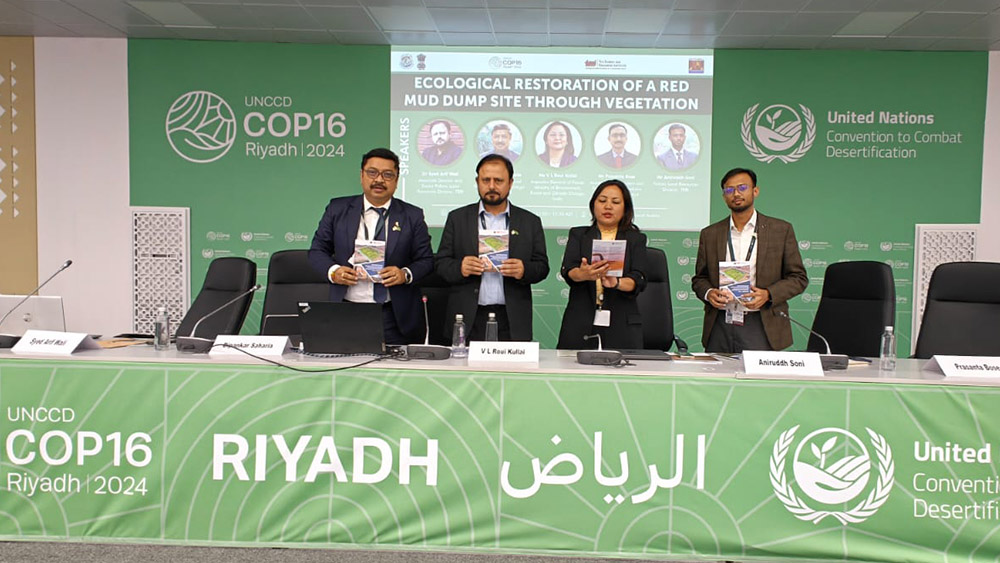
In December 2024, TERI presented this project at a dedicated side event during UNCCD COP 16 in Riyadh, Saudi Arabia. Titled "Ecological Restoration of a Red Mud Dump Site through Vegetation," the session showcased how highly alkaline industrial waste can be converted into productive ecosystems.
The Muri case study served as a global blueprint for scalable mine reclamation. By integrating soil science, ecological succession, and community-oriented development, the project demonstrated that even the most "inhospitable" industrial sites can be restored through evidence-based intervention. The success in Jharkhand proves that with the right scientific framework, industrial waste doesn't have to be a permanent liability—it can become an ecological asset.