Headquarters
The Energy and Resources Institute (TERI)
Darbari Seth Block, Core 6C,
India Habitat Centre, Lodhi Road,
New Delhi - 110 003, India
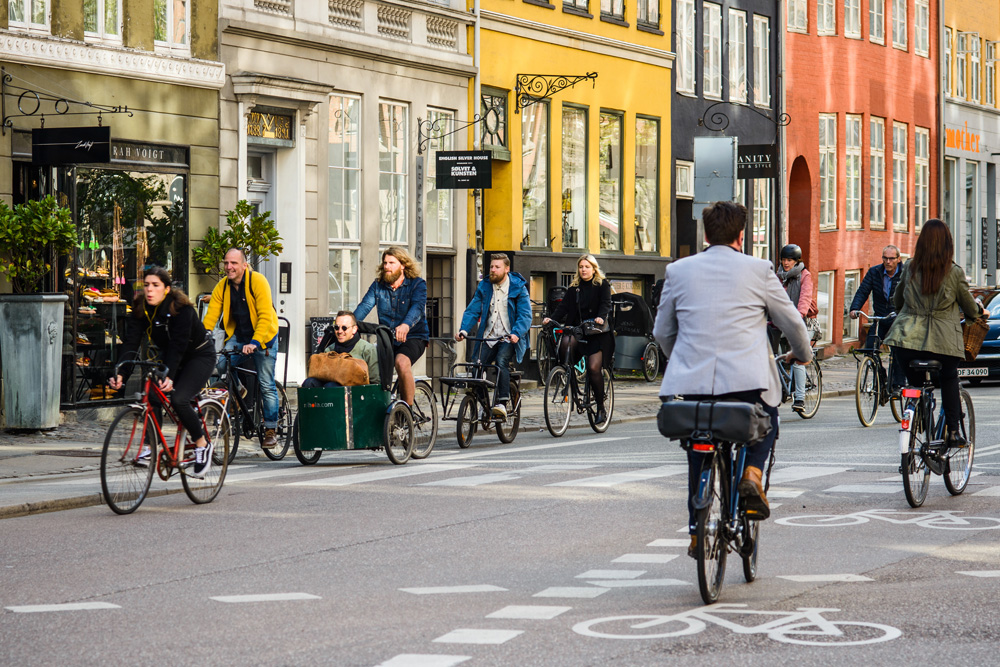
India is on the cusp of urbanisation with around 34% of the country’s population currently living in cities and a rate of urbanisation higher than most South Asian countries. By 2030, it is expected that 40% of India’s population will be living in urban areas, contributing to more than two-thirds of the country’s gross domestic product (GDP). High rates of urbanisation, industrialisation, and economic development are exerting significant pressure on civic services and infrastructure across cities in India. This pressure on resources and services coincides with the growing threats of climate change, which further intensify the challenges faced by these urban areas.
In order to transition to a climate-resilient, sustainable future, cities will require a substantial transformation around the planning, design, and management of urban development projects. They will also need sufficient/long-term investment in infrastructure projects, that are both resource and energy-efficient, and at the same time, resilient to extreme climate change events. While funds can be availed through various public, private and institutional sources, most Indian cities are often unable to access funding to finance and implement their sustainable urban development projects. The key reasons observed are as follows:
To circumvent the specified barriers, city officials need to build capacities to conceptualise and structure bankable sustainable urban development projects. Against this background, the Knowledge Product, co-developed by TERI and South Pole Carbon Asset Management Limited, with support from the Danish Ministry of Foreign Affairs, and Royal Danish Embassy (RDE), provides actionable guidance to Indian cities towards implementation of global and local sustainable urban development solutions.
This knowledge product was designed with the following key objectives:

The study used a mixed method approach, wherein a Capacity Needs Assessment (CNA) was conducted in 15 cities to assess the state-of-the-art practices and understand the institutional, operational, and financial capacity needs of smart cities with respect to implementing sustainable urban solutions. The assessment was further supported by technical field experience and desk research, which largely formed the basis for developing the framework of the document.
The developed document provides a macro-view of the design and implementation of low-carbon, resilient and sustainable infrastructure, drawing lessons from the Urban Living Lab in Panaji and the experiences of other urban local bodies, development authorities, public works departments, and smart cities across India to identify, pilot, and scale-up innovative sustainable urban solutions.
For more information on the project, kindly contact Rhea Srivastava at rhea.srivastava@teri.res.in