Headquarters
The Energy and Resources Institute (TERI)
Darbari Seth Block, Core 6C,
India Habitat Centre, Lodhi Road,
New Delhi - 110 003, India
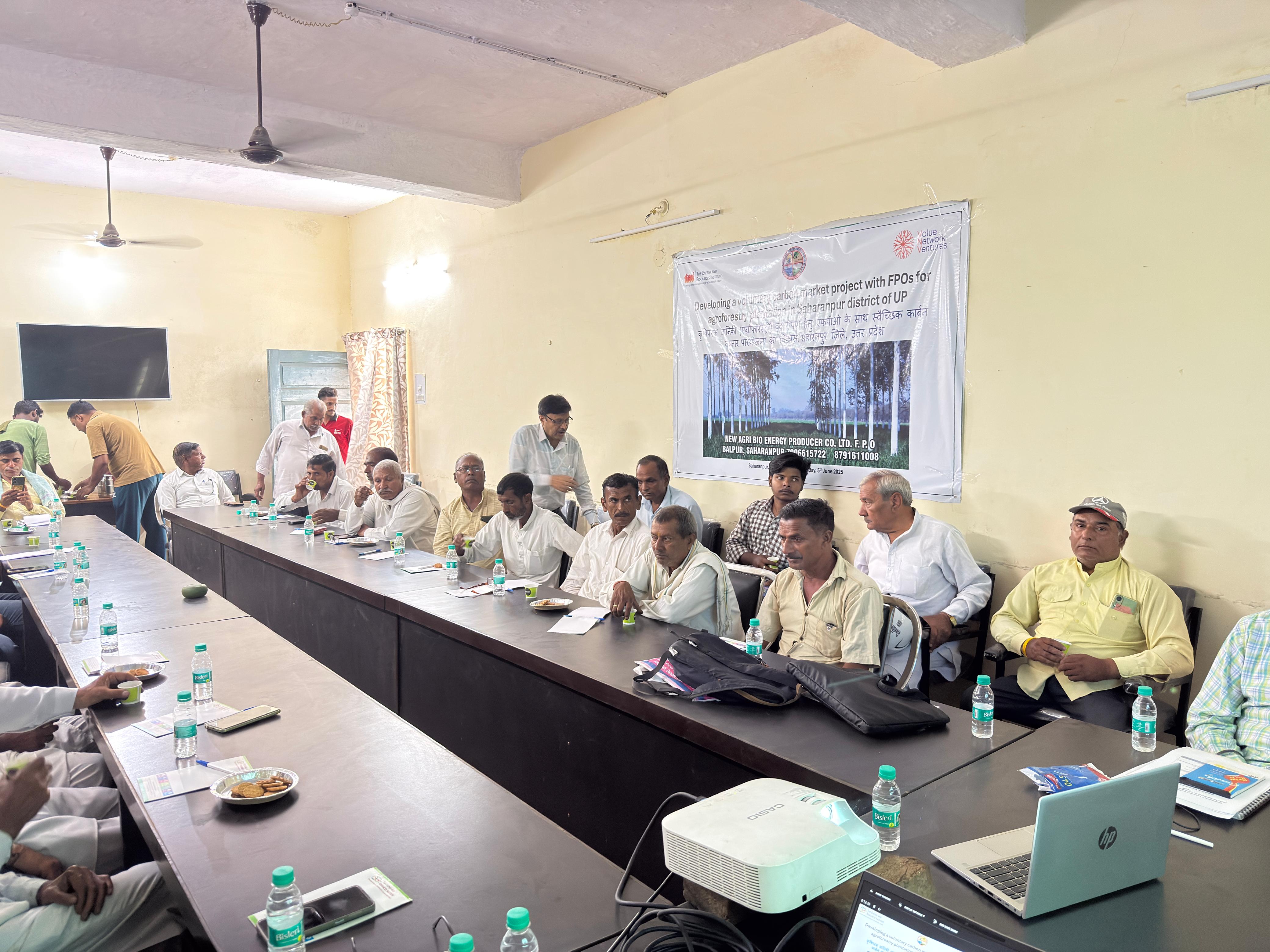
The project has been conceptualized as a community-based agroforestry carbon finance initiative to enable small and marginal farmers in the Saharanpur district to participate in the Voluntary Carbon Market (VCM) through a grouped project approach. The initiative is based on the premise that agroforestry can simultaneously enhance farm resilience, diversify income sources, increase tree cover outside forests, and generate measurable carbon removals that can be converted into carbon credits. The project is being developed in the AFOLU (Agriculture, Forestry, and Other Land Use) sector under the Verified Carbon Standard (VCS) using VM0047 v1.1 (Afforestation, Reforestation, and Revegetation).
The primary objective is to aggregate farmers through Farmer Producer Organizations (FPOs) and develop a grouped agroforestry carbon project that can generate additional revenue for farmers through carbon finance, alongside conventional returns from timber, fruits, and other agroforestry outputs. The project also aims to establish a replicable institutional model for bringing small and fragmented landholdings into a credible carbon finance framework.
The project also involves partner FPOs, including Pwarkaagro Navkrishak Farmers Producer Company Ltd. and Upajbahar Farmer Producer Company Ltd., for farmer mobilization, field coordination, and data support.
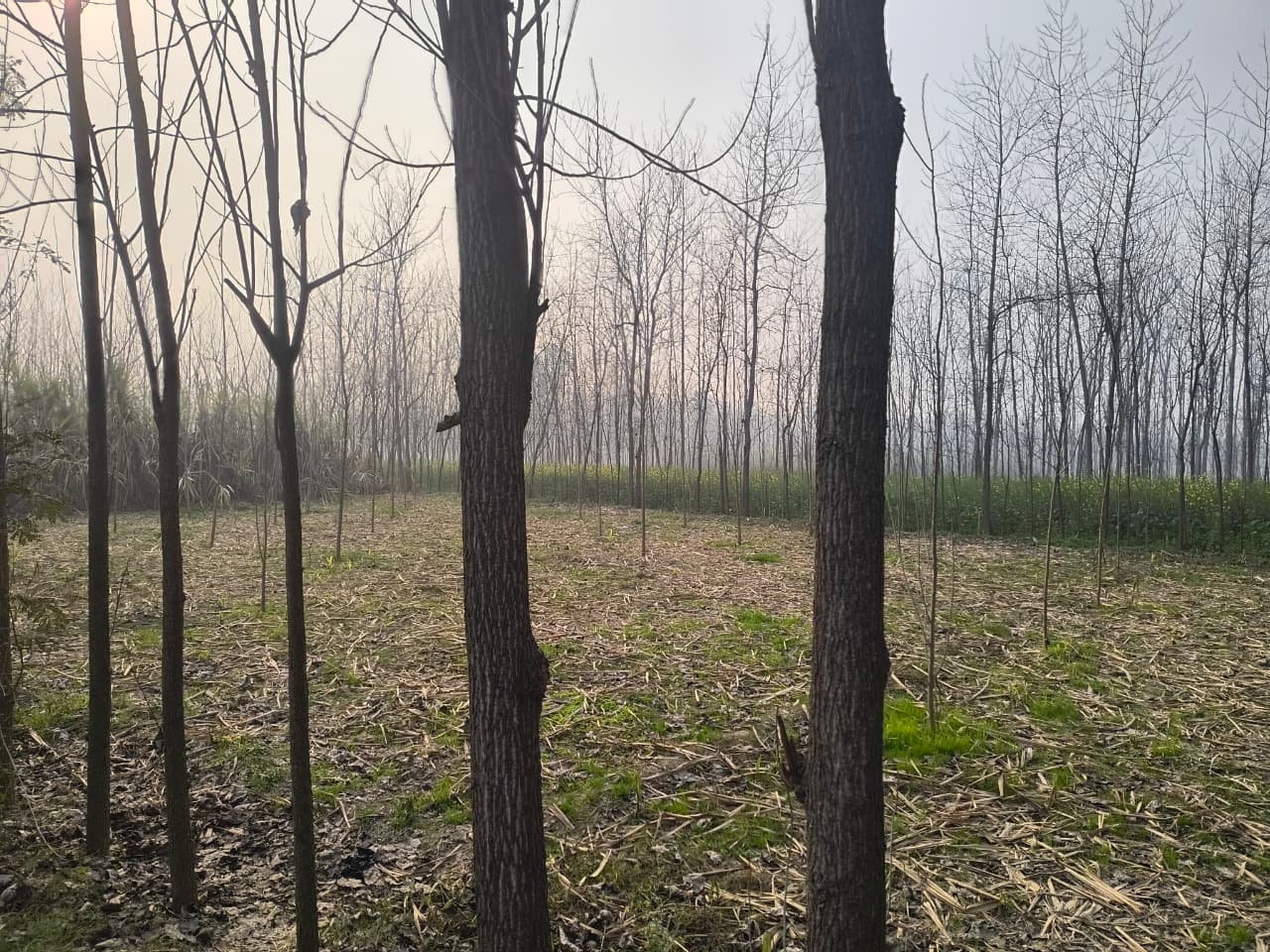
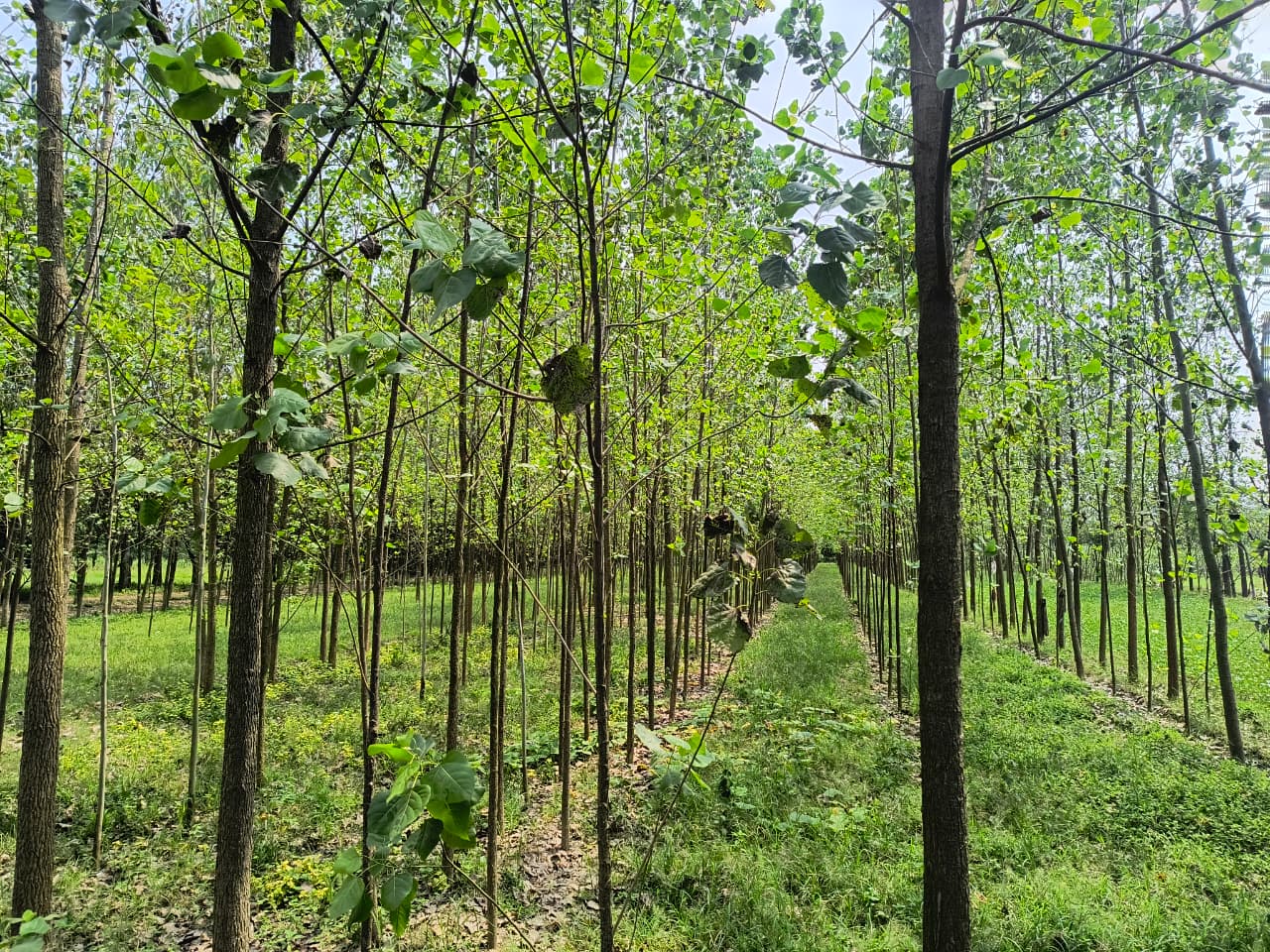
The project is located in the Saharanpur district of Uttar Pradesh and promotes agroforestry plantation through block, boundary, and intercrop plantation models. The priority species include poplar, mango, guava, teak, and Melia dubia (Malabar neem), selected based on their local suitability and economic relevance. The project start date is 17 January 2023, with a proposed crediting period of 40 years.
A major strength of the project is its geospatial and evidence-based feasibility framework. Historical satellite imagery, land use/land cover analysis, vegetation condition assessment, GPS-based field verification, and KML-based plot demarcation are being used to identify eligible lands and support project documentation, validation, and long-term monitoring. Village-level feasibility assessments have helped identify priority areas, enabling FPOs to focus data collection and farmer engagement in targeted locations rather than across the entire district.
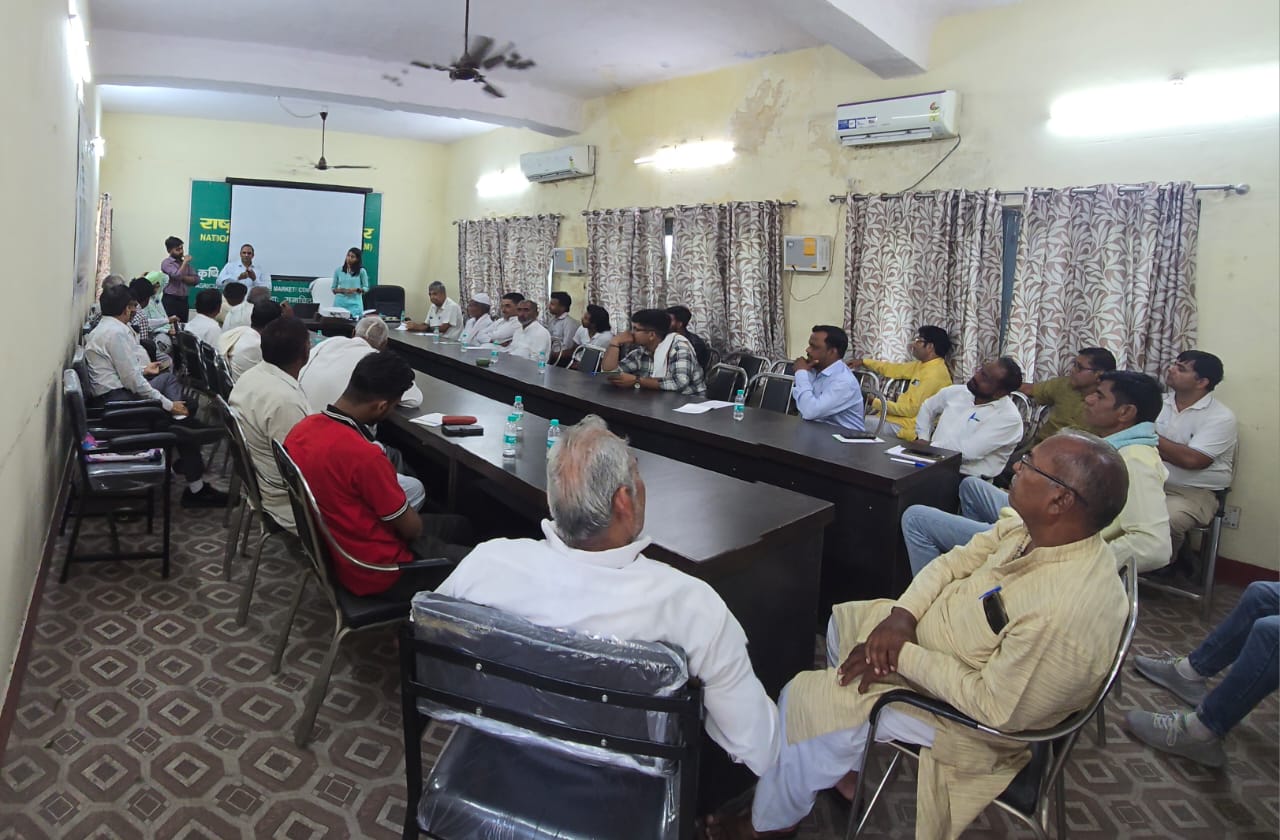
A key innovation of the project is the use of FPOs as the institutional backbone for clustering small and marginal farmers. Instead of treating farmers as isolated participants, the project aggregates them into a common framework, thereby reducing transaction costs, improving local coordination, and strengthening trust. TERI has provided technical support and capacity building, while FPO teams have been trained in farmer outreach, documentation, and KML preparation. This has helped build local ownership and improve project readiness.
The project is expected to generate total estimated greenhouse gas removals of approximately 2,166,448 tCO₂e over the 40-year crediting period, with an average annual removal of about 54,161 tCO₂e. These removals are expected to be translated into carbon credits following validation, verification, and issuance under VCS procedures.
The project has progressed through feasibility assessments, stakeholder consultations, institutional mechanism development, KML-based field data collection, and Project Description (PD) preparation and listing. The current focus is on accelerating data collection and KML submission, improving the proportion of valid and eligible plots, and aggregating the minimum feasible area required for the first project instance. Continued coordination among FPOs, farmers, and TERI is essential for moving the project toward validation and verification.
The project is expected to create an additional income stream for farmers, strengthen climate resilience through agroforestry, expand tree cover outside forests, and establish a community-led, scalable carbon finance model for smallholder-dominated agricultural landscapes in India.