Headquarters
The Energy and Resources Institute (TERI)
Darbari Seth Block, Core 6C,
India Habitat Centre, Lodhi Road,
New Delhi - 110 003, India
Commissioned by GPSR Arya Private Limited, this project focuses on the districts of Lakhimpur Kheri, Ayodhya, Sultanpur, Deoria, Shravasti, and Basti (Uttar Pradesh); Kamareddy and Karimnagar (Telangana); Cooch Behar (West Bengal); Bemetara (Chhattisgarh); and Jajpur (Odisha), including their respective tehsils and blocks.
The primary objective of this study was to evaluate feedstock surplus availability at these sites to determine the feasibility of installing Bio-CNG or Compressed Biogas (CBG) plants. In accordance with the client’s requirements, the analysis considered a diverse range of feedstocks, including paddy straw, maize stalks and cobs, cotton stalks, sugarcane trash, Napier grass, livestock dung, poultry litter, and sugarcane press mud.
The analysis provides granular data at both the tehsil and block levels wherever possible. This work serves as a critical resource for the client in identifying the optimal tehsils for future plant installations.
Methodology TERI conducted the study through a two-phased approach:
The study focuses on the selected districts, including an analysis of their various tehsils and blocks. The cultivation and harvesting periods for paddy were examined, with peak production levels identified across specific blocks and tehsils. Additionally, the study assessed the significant economic contributions of livestock and poultry within these districts.
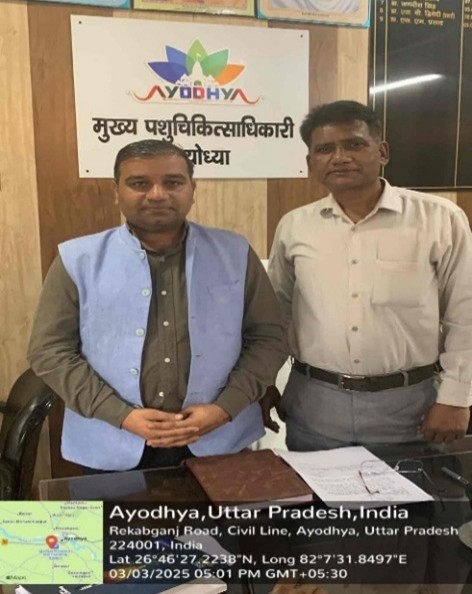
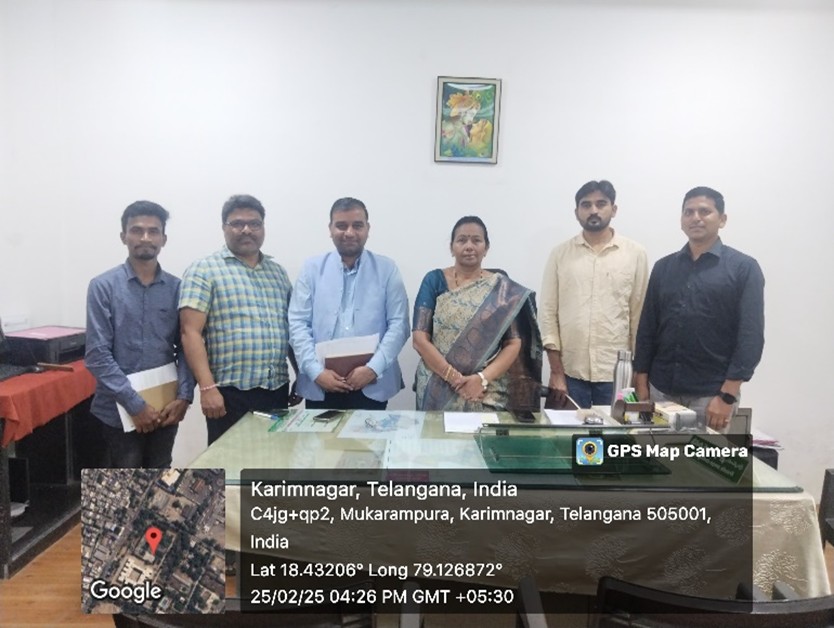
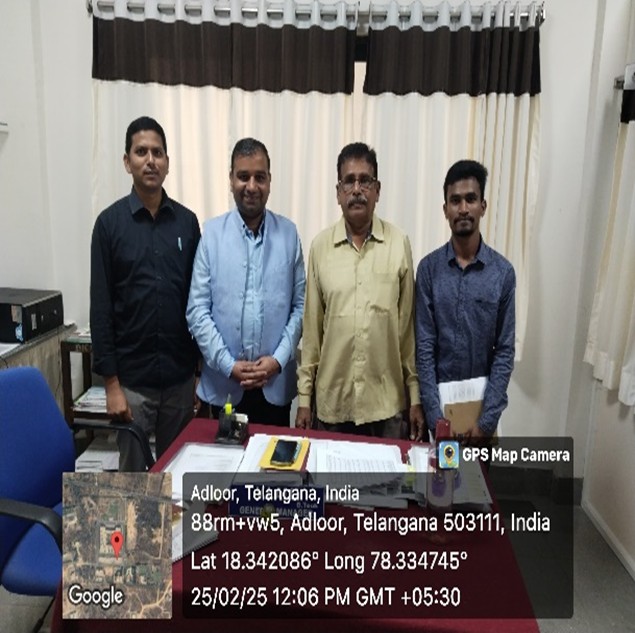
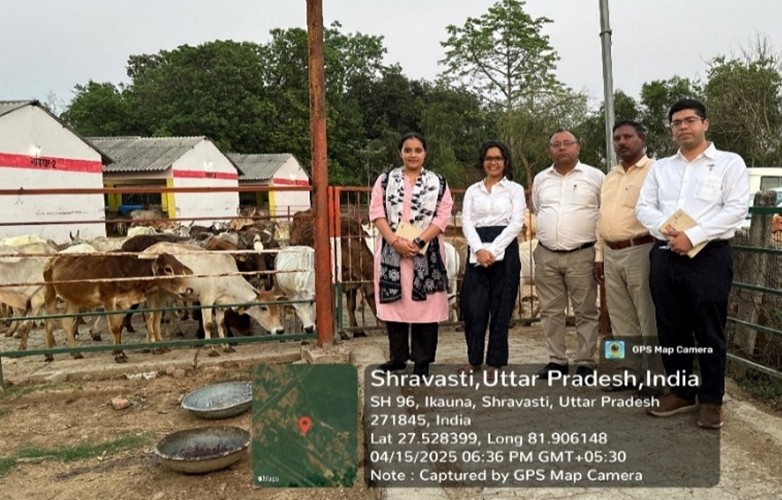
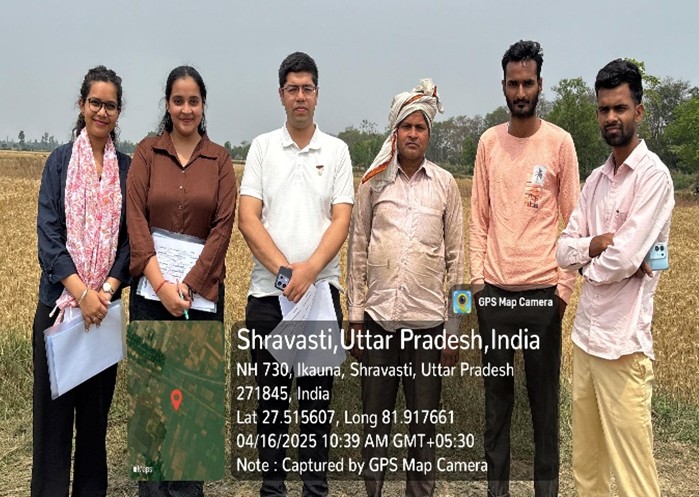
Subsequent field visits were carried out in the focus districts to collect primary data on feedstocks. The team held extensive discussions with officials from State Nodal Agencies, Departments of Agriculture, KVKs, and Animal Husbandry, as well as Chief Veterinary Officers. Additionally, meetings were conducted with farmers and aggregators to gain deeper insights into paddy straw supply chain management.
The analysis of feedstock availability for the proposed CBG plants indicates that the primary biomass sources vary significantly by tehsil and block. The data highlights these regional variations in distribution across the focus districts. Based on both primary and secondary data, the study determines the exact tonnage of specific feedstocks available for the project, factoring in month-by-month surplus availability. Furthermore, the study assesses competitive feedstock usage to provide a realistic outlook on the feasibility of plant installation.
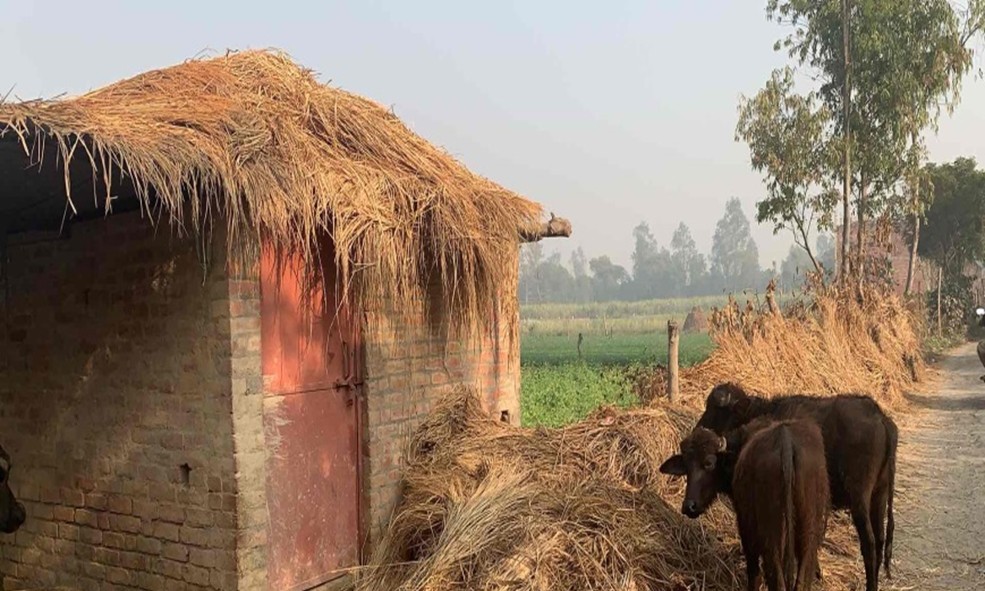
Supply chain management is critical to ensuring the seamless and efficient flow of biomass from generation points to end-users and industries. The sustainable utilization of these resources relies heavily on an optimized supply chain that addresses challenges in procurement, transportation, storage, and processing. However, feedstock management carries inherent risks, including seasonal variability in availability, potential quality degradation during storage, and logistical hurdles. To mitigate these risks, the project team has analysed various scenarios and developed strategic interventions to ensure a consistent and reliable supply of biomass for CBG production.